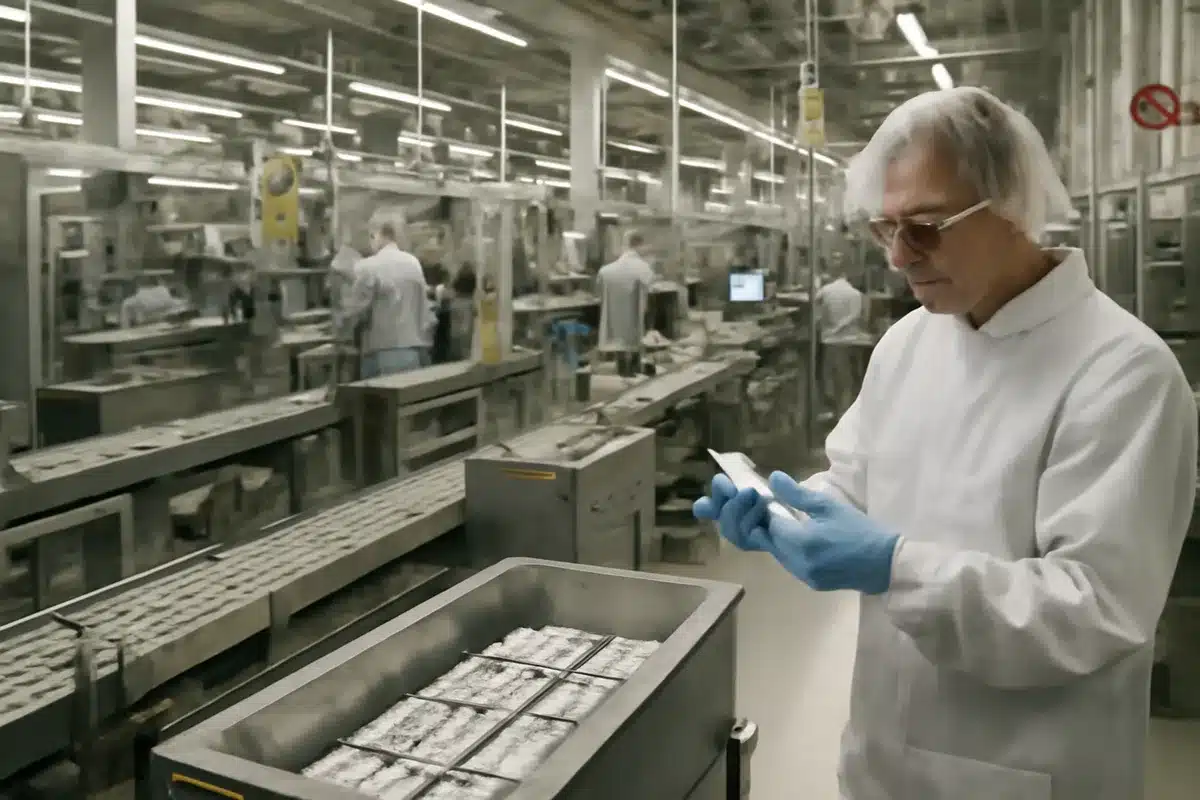
Product recalls in the United States have surged to unprecedented levels, with recalled units reaching 941.2 million in the first half of 2026 alone, putting the nation on pace to exceed one billion units for the full year, according to Sedgwick’s latest Product Safety and Recall Index report released in August.
The surge represents a dramatic 345.5% year-over-year increase from the 211.2 million units recalled in the first half of 2025. Despite the staggering volume, the number of individual recall events remained relatively stable at 1,634 in H1 2026 compared to 1,636 in H1 2025, indicating that fewer, larger recalls are dominating the landscape.
Pharmaceutical products are driving much of the increase. Pharmaceutical units recalled jumped 914% year-over-year to 471.6 million units in the first half of 2026, marking a 12-year high for the sector. Medical devices also surged significantly, with units increasing 516.8% to 313.1 million. Beyond pharmaceuticals, the U.S. Department of Agriculture recorded a 2,432.1% increase in food recalls by volume, reaching 37.2 million pounds—the third highest annual total in more than 15 years.
According to Sedgwick, this marks only the fourth time in the past 15 years that the United States has surpassed one billion units recalled in a single year. The company’s analysis highlights a fundamental shift in the recall risk environment: while the frequency of recalls has stabilized, the scale of individual recalls has expanded dramatically.
Chris Harvey, Senior Vice President of Product Innovation and Industry Engagement at Sedgwick, noted that businesses cannot mistake stable event counts for stable exposure risk. “A single large recall can quickly transform a company’s operational, financial, and reputational risk, making tested response plans and accurate, rapid communication essential,” Harvey said in the report.
Several regulatory and market factors are contributing to the surge. The Consumer Product Safety Commission has intensified efforts to combat consumer product recall fraud while maintaining legitimate consumer remedies. The Federal Trade Commission and USDA have tightened enforcement around country-of-origin claims for products marketed as U.S.-made. The automotive industry is navigating new restrictions on imports of hardware, software, and certain non-U.S. air bag inflators. Additionally, geopolitical tensions, tariff volatility, and disruptions to long-standing trading partnerships have added complexity for global manufacturers.

The pharmaceutical sector’s recalls have been linked to manufacturing quality issues, including contamination, labeling errors, and potency concerns. In April 2026, test results showed that the U.S. infant formula supply is largely free of chemical contaminants, and the FDA committed to continued monitoring. The agency also finalized its new post-market assessment program for food chemical safety, reflecting heightened regulatory scrutiny across the industry.
The volume increase comes despite efforts by regulators to improve product safety oversight. Food recalls have been particularly visible, with over 160 food recalls recorded through mid-August 2026 across FDA and USDA jurisdictions. Recent high-profile recalls have included eggs, blueberries, beef, and poultry products, often linked to inspection failures or pathogenic contamination risks.
The 2026 recall surge underscores the growing complexity of supply chains and manufacturing processes, particularly in the pharmaceutical and medical device sectors. Companies are facing pressure to balance rapid market entry with rigorous quality control, while regulators enforce stricter standards and manufacturers contend with global disruptions and tariff pressures.
Sources
- PRNewswire / Sedgwick — H1 2026 U.S. Product Safety and Recall Index report; 941.2 million units recalled, 914% pharmaceutical surge, regulatory developments
- Risk & Insurance — Product recall volume data and year-over-year comparisons for H1 2025 vs. H1 2026
- FFNews — Pharmaceutical recalls surge and overall recall statistics for 2026
- American Pharmaceutical Review — Pharmaceutical recall volumes and sector analysis