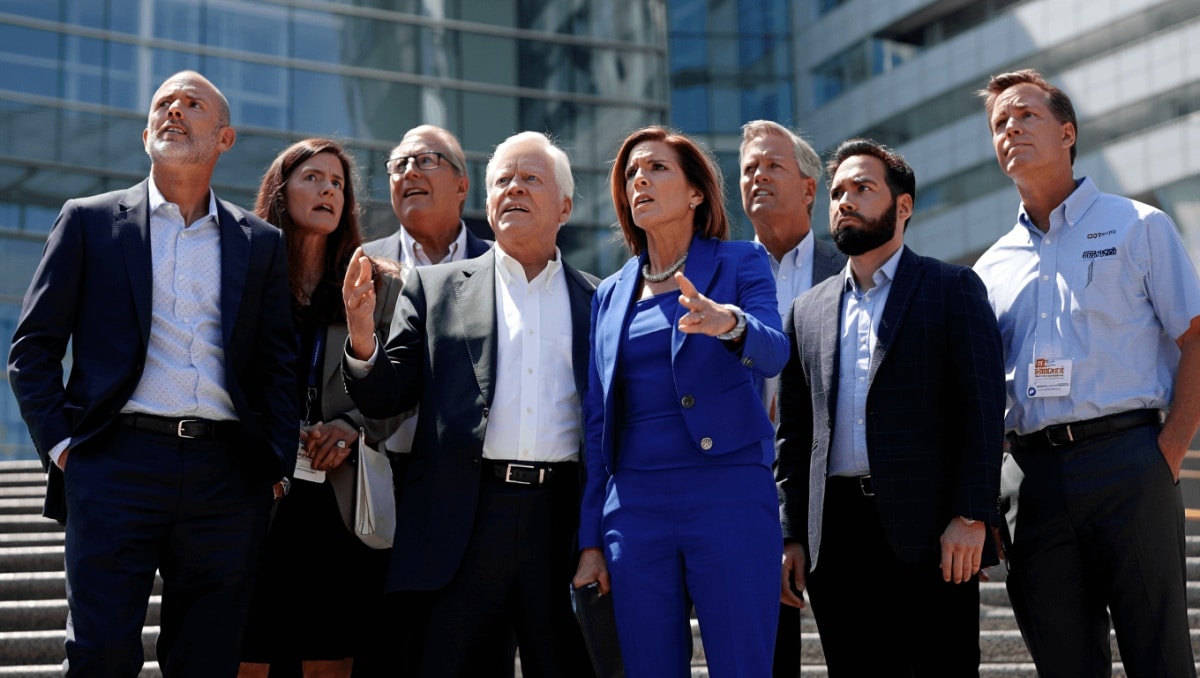
A coalition of technology executives and self-described “radical centrists” has begun organizing in the Bay Area to counter a string of left-leaning policies they say are pushing capital and entrepreneurs out of California. Their push — a mix of voter education, political donations and new advocacy groups — aims to reshape local races and blunt proposals such as a proposed billionaire levy that many see as a tipping point for wealthy residents.
Why this matters now
With a one-time 5% tax on billionaires under discussion and several high-profile tech founders moving assets or homes, the debate has concrete economic and political stakes. The organizing effort signals that Silicon Valley’s response will be more than private relocation: investors and founders are preparing to fight policy changes at the ballot box and in local elections.
Who showed up — and what they want
Earlier this month, roughly 350 people gathered in Mountain View for a private meeting that drew municipal officials and industry figures. Organizers urged attendees to remain in the state and influence politics from within rather than relocate, arguing electoral pressure can reshape policy choices on taxes, housing and public safety.
Speakers criticized proposals backed by labor groups — including a local tax aimed at corporate executives — and said the goal is not to oppose unions outright but to balance labor’s influence on elected officials. At the same time, they singled out several Democratic figures who have supported tax measures as obstacles to the pragmatic governance they seek.
New civic vehicles and how they plan to operate
Tech leaders have launched several organizations to channel money and messaging into state races. Their tactics combine traditional campaigning with modern tools: fundraising, targeted voter education and online content, some of which is produced with AI assistance.
- Garry’s List — Launched by Y Combinator CEO Garry Tan as a “citizen’s union” focused on electing centrist candidates and promoting policies around schools, housing and safety. The group is producing voter education material and commentary aimed at persuading moderate voters.
- Grow California — Backed by Chris Larsen and investor Tim Draper, this group plans significant spending to back candidates who prioritize cost-of-living issues and economic growth; initial spending is reported in the tens of millions.
- Building a Better California — Founded by Eric Schmidt and other tech figures, with more than $45 million raised to support tax reform and development-friendly initiatives.
Notable exits and the political backdrop
Some of the state’s wealthiest technologists have shifted residency or assets amid the tax debate and broader frustration with state policies. Names tied to recent moves include founders and executives from major Silicon Valley firms. Organizers argue those departures should not be treated as the only option for change.
They frame their effort as an alternative to relocation: invest in campaigns, support moderate candidates for state and local office, and engage in public debates over tax and labor policy.
Potential consequences
Whether these groups can reshape California’s political trajectory remains uncertain. If they succeed in electing moderates, policy changes could follow on taxation, permitting and labor relations — with implications for housing development, business investment and public services. If they fail, the state may see further exits or broader policy shifts toward increased taxation and stronger union influence.
For voters, the immediate takeaway is practical: upcoming primaries and local races will be battlegrounds for competing visions of California’s future. The new coalitions are signaling that tech money and organizational capacity will be active players in those contests.
What to watch next
Keep an eye on three indicators over the next six to twelve months:
- Major funding rounds and ad buys from the newly formed groups.
- Candidate endorsements and primary challenges in key Bay Area districts and statewide races.
- Legal or legislative movement on the proposed wealth tax and city-level levies aimed at corporations or executives.
The emerging effort is as much about shaping the narrative as it is about dollars. By staying in the state and backing electoral alternatives, organizers hope to influence policy outcomes that they view as critical to California’s economic health. For residents and voters, the unfolding campaign will determine whether those goals gain traction or whether the state’s political center continues to shift left.