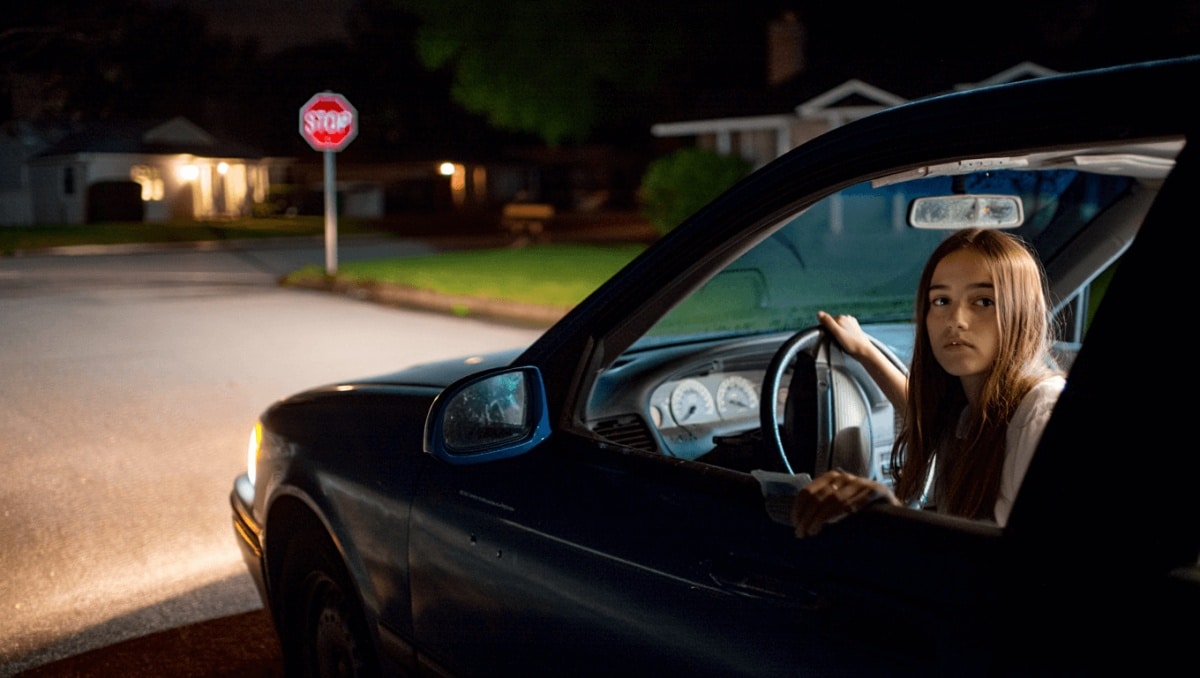
Fewer young Americans are in a rush to learn to drive. In the years since the pandemic, licensing among people in their late teens and early twenties has fallen noticeably, reshaping travel habits and forcing insurers, automakers and city planners to rethink long-standing expectations about youth mobility.
Signs of a generational shift
Across many regions, high schools and licensing offices report lighter traffic from teens applying for permits or taking road tests. That slowdown isn’t confined to one city or state; it shows up in national surveys, insurance underwriting trends and the changing demographics of new-vehicle buyers.
The trend matters because a driver’s license has long been a milestone marking independence, employment access and social mobility. When an entire cohort delays or skips that step, ripple effects reach beyond personal convenience — affecting public transit demand, traffic patterns, car sales and the structure of local labor markets.
What’s behind the delay
Experts point to several overlapping forces nudging young people away from the wheel. No single explanation fits every community, but together they form a clearer picture of why fewer Gen Zers are getting licensed as quickly as previous generations did.
- Cost pressures: Rising prices for cars, fuel and insurance make driving less affordable for teens and their families.
- More alternatives: Expanded public transit, scooter and bike networks, and ubiquitous ride-sharing services give young people practical ways to get around without owning a car.
- Remote work and education: The pandemic normalized online jobs and classes, reducing the daily need to commute for some young adults.
- Safety and anxiety: Concerns about distracted driving, traffic fatalities and the perceived complexity of on-road conditions can discourage candidates from pursuing a license.
- Environmental awareness: For some, the climate impact of driving is a moral and practical deterrent to vehicle ownership.
- Timing and priorities: Many young people prioritize work, social activities or saving for larger purchases over learning to drive immediately after turning 16.
Immediate consequences
Short-term, local economies feel the shift. Fewer new drivers means lower demand for entry-level used cars, and a changing customer profile for insurers — younger driver pools are smaller, older drivers form a larger share of new policies, and premium structures adjust accordingly.
Transit agencies and cities notice differences too: midday ridership patterns, bike-lane usage and drop-off points for delivery services all evolve when fewer young people drive. Employers in suburbs and smaller towns face hiring challenges if workers lack reliable transport to shift-based jobs.
Longer-term implications
The cumulative effect could be structural. If large numbers of young people delay driving for many years, automakers may see sustained shifts in market demand toward smaller, shared or subscription-based vehicles rather than traditional ownership. Urban planners might accelerate investments in dense, walkable neighborhoods and safer bike infrastructure.
Insurers and credit markets could respond by creating new products tailored to low-mileage drivers or offering incentives for shared mobility. Conversely, regions without robust transit could experience widening inequalities if lack of a license limits job access.
How stakeholders are reacting
Policymakers and businesses are adjusting in different ways. Some municipalities expand public transportation and micromobility programs to meet demand. A handful of insurers now offer usage-based pricing that rewards low-mileage younger drivers. Driver-education providers are experimenting with hybrid models combining online lessons and in-car coaching to lower costs.
Automakers, meanwhile, are investing in subscription services and integrated mobility apps that package driving as one option among many, rather than a prerequisite for daily life.
What to watch next
Key indicators to follow include licensing rates among 16–24-year-olds, vehicle registration trends, and commuter patterns in suburban and rural areas. Policymakers should track whether access to jobs and education is affected by mobility changes, and whether transit investments keep pace with shifting needs.
For families and young people deciding whether to pursue a license now, the choice depends on local context: availability of transit, job location, cost and personal priorities. The broader lesson is that mobility is becoming more flexible and varied — and that decision has real consequences for how communities are built and services are planned.
The decline in early licensing is not merely a cultural detail. It signals a realignment in how a generation navigates work, social life and the built environment — with implications that policymakers, businesses and communities will need to address in the coming years.