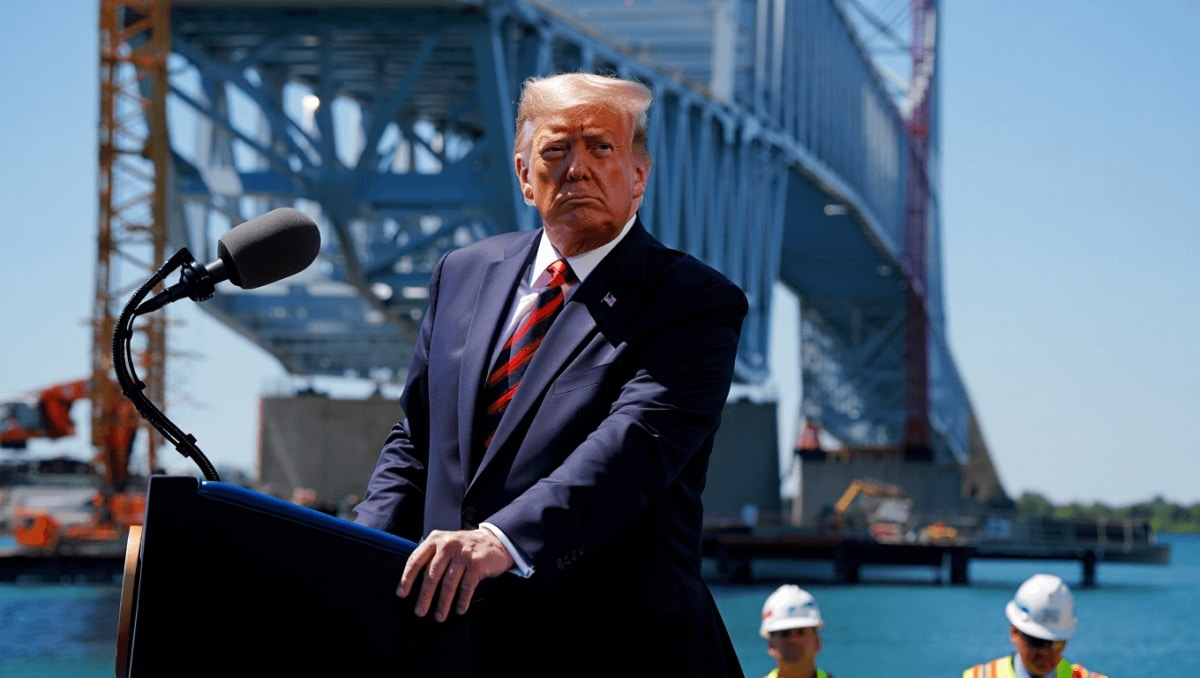
President Donald Trump has warned he could prevent the Gordie Howe International Bridge between Windsor, Ontario, and Detroit, Michigan, from opening, escalating a diplomatic dispute that could ripple through North American trade. The threat — tied to demands for compensation and even partial US ownership of the project — raises immediate concerns for businesses that rely on the busiest Canada-US corridor.
What Trump has proposed
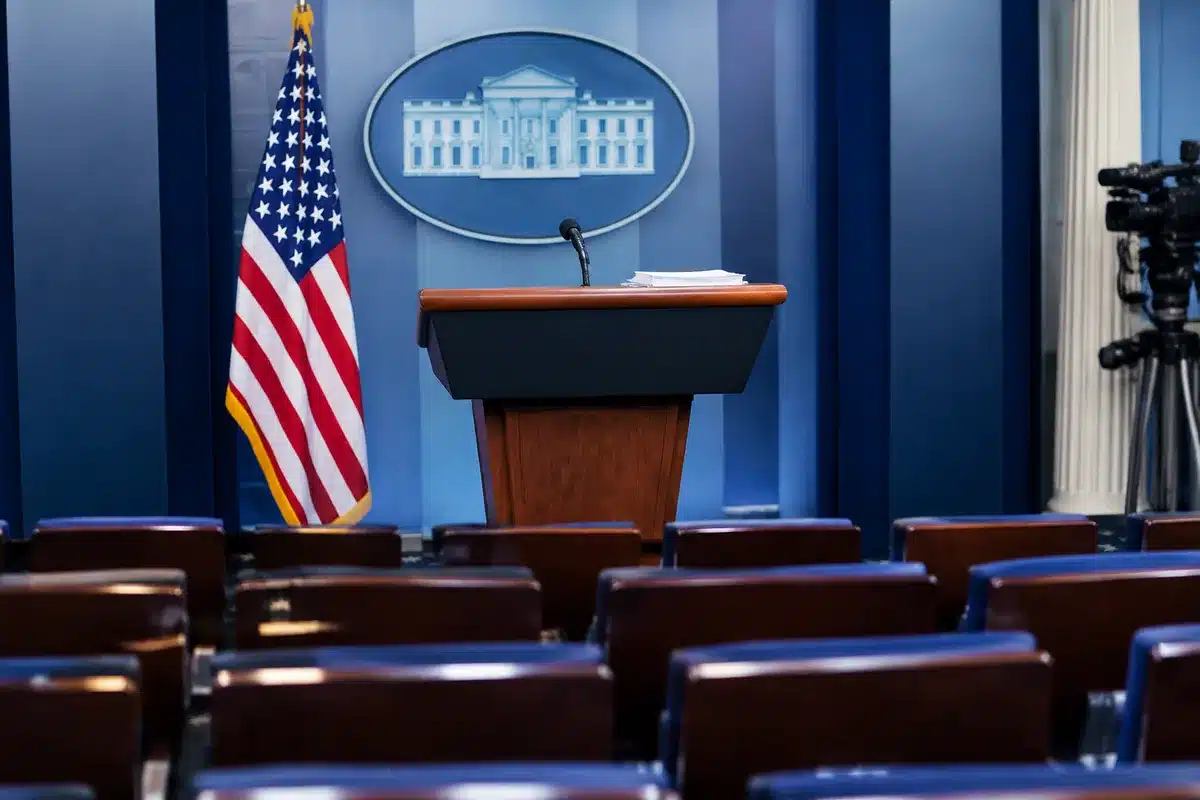
In a post on Truth Social, Trump said he would delay the bridge’s inauguration until the United States is “fully compensated,” and suggested Washington should negotiate for ownership of as much as half the crossing. His comments came alongside a series of recent threats to impose steep tariffs on Canadian goods and on aircraft built in Canada.
Why the bridge matters
The Gordie Howe crossing is a major infrastructure project designed to ease congestion and speed freight movement at a critical border node. The bridge — a six‑lane span that also includes a pedestrian and cycling route — is financed by the Canadian federal government and is scheduled for completion in early 2026.
Traffic studies have flagged the Windsor‑Detroit corridor as the largest trade artery between the two countries. A 2021 analysis from the University of Windsor’s Cross‑Border Institute estimated the new crossing could cut truck delays by roughly 850,000 hours per year, translating into billions in long‑term savings for shippers and manufacturers.
Immediate economic and political stakes
Delaying the bridge or adding new trade barriers would hit supply chains that depend on just‑in‑time deliveries, particularly in the automotive and parts industries clustered around Detroit and Windsor. Local officials and business groups have long argued the crossing is essential to preserving regional competitiveness.
- Cost: $6.4 billion, entirely financed by Canada.
- Completion target: early 2026.
- Design: six lanes plus pedestrian/cycling access.
- Estimated time savings: about 850,000 truck hours annually (University of Windsor, 2021).
Reactions and wider tensions
Michigan Sen. Gary Peters criticized the president’s stance on social media, calling the move “completely backwards” and warning it undermines workers and businesses that supported the project. Local leaders in both countries have framed the bridge as a years‑long priority for regional economic growth.
Trump’s statements are part of a broader uptick in rhetoric toward Canada. In recent weeks he has threatened a 100% tariff on Canadian imports tied to trade agreements with third countries and floated a 50% levy on aircraft built in Canada, while also suggesting the US could revoke certification for new planes — steps that, if enacted, would disrupt multiple sectors.
What could happen next
If the White House follows through on blocking the opening or imposing tariffs, the dispute could quickly move from rhetoric into formal trade or regulatory action, prompting negotiations or legal challenges. Alternatively, Canadian officials could press ahead with the bridge and seek diplomatic remedies.
At the moment, neither the White House nor the Ontario premier’s office has provided an immediate response to requests for comment, leaving uncertainty over whether the president’s threats represent bargaining posture or concrete policy moves.
The coming weeks will show whether this episode remains a political escalade or turns into substantive obstacles for a project that, by design, is meant to keep goods, jobs and people moving across the border.