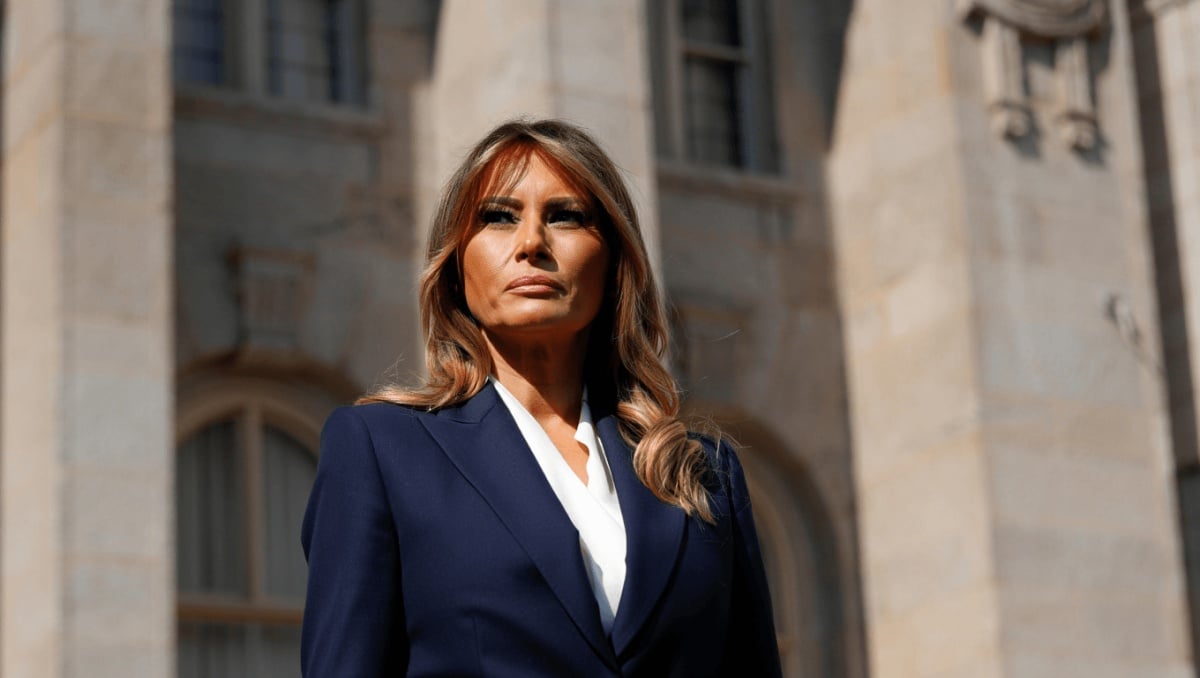
On April 10, 2026, Melania Trump issued a short public response tied to newly surfaced material in the Jeffrey Epstein record, prompting swift reaction from survivors, advocates and political observers. The statement’s brevity and timing have become central to debates about accountability, public empathy and the wider political fallout as the matter re-enters public view.
What changed this week
Federal and court filings released in recent days renewed attention on Epstein’s network and the people connected to it. That renewed scrutiny prompted public figures, including Melania Trump, to respond — sometimes with formal statements, sometimes with silence. In this instance, the former first lady chose to put out a concise message that many readers saw as an attempt to address the moment without becoming entangled in details.
Why this matters now: the intersection of legal developments and high-profile reputations shapes both public conversation and electoral narratives. Responses from prominent individuals can influence how survivors are heard, how the press frames the story and how voters interpret character and responsibility.
How the reaction has split
The response to Melania Trump’s statement has been mixed, with a few clear themes emerging across social media and press coverage.
Advocacy groups and survivors’ networks focused on substance. Several organizations said that public messages about abuse carry real consequences for survivors seeking recognition and support; they urged that public figures use clear language and commit to concrete action, rather than issuing perfunctory remarks.
Political commentators stressed the optics. For some Republican-aligned outlets, the reply was characterized as measured and appropriately concise. Critics, meanwhile, faulted the message’s timing and depth, arguing that short public expressions can feel performative unless accompanied by accountability or support for survivors’ needs.
What communications advisers say
Communications strategists typically weigh three calculations when advising high-profile clients on sensitive topics: the legal risks of commenting, the potential reputational damage of silence, and the media cycle’s appetite for controversy.
In this case, the choice to issue a brief statement — rather than a long-form defense or a full silence — is consistent with a low-engagement approach. That tact reduces immediate risk but can fuel questions about whether the person is taking the survivors’ concerns seriously.
- Legal caution: Public figures often limit comment to avoid creating new legal exposure.
- Reputational control: Short statements aim to acknowledge concern while minimizing follow-up lines of attack.
- Media dynamics: Even minimal comments can generate sustained coverage if they collide with larger ongoing investigations.
Practical implications for readers
The debate over one statement matters beyond celebrity scrutiny. Public acknowledgment by prominent figures affects three tangible areas:
First, it shapes public awareness: high-profile responses can keep or push a story into mainstream attention, which affects resources and pressure on investigators and institutions.
Second, it influences survivor support conversations. When public figures speak plainly about wrongdoing and the needs of survivors, it can increase calls for victim services, policy changes or renewed investigations.
Third, it alters the political calculus. With national politics still unsettled, gestures around accountability and empathy figure into voters’ broader assessments of character and leadership.
What to watch next
Follow-up matters more than initial words. Observers will be watching for:
- Any additional statements or clarifications from Melania Trump or representatives.
- Reactions from survivor advocacy groups and whether they accept the statement as meaningful.
- New legal filings or disclosures that change the factual record and intensify scrutiny.
The story is likely to remain in public view as documents, testimony or political events drive new angles. Whether a brief statement becomes a footnote or a flashpoint depends on what follows — not only from the person who spoke, but from institutions, advocates and the independent reporting that continues to surface fresh details.
For readers, the immediate takeaway is simple: statements matter, but their impact is measured by subsequent action and by the degree to which they acknowledge and respond to the needs of survivors rather than merely managing political optics. That is the standard many expect when high-profile individuals address issues tied to abuse and accountability.