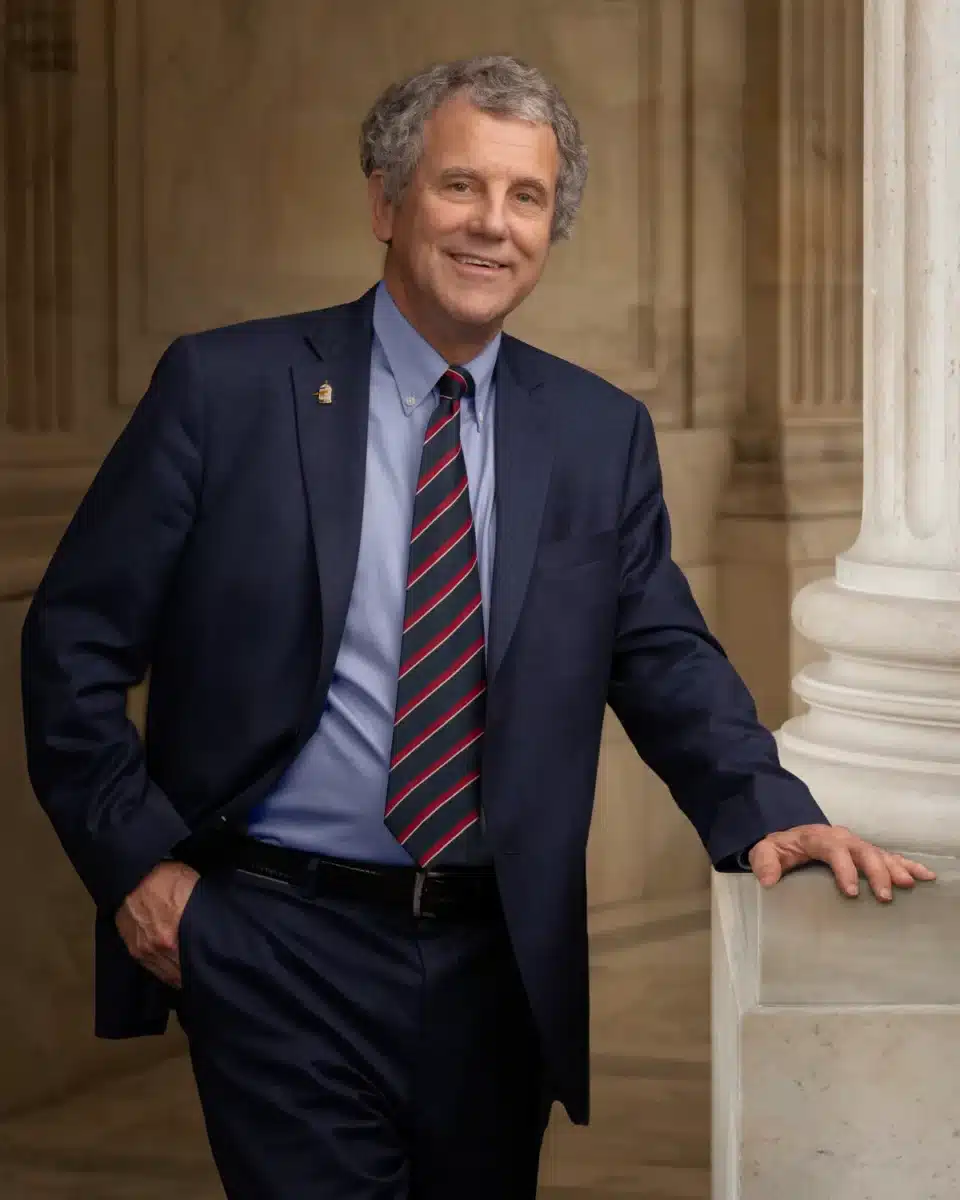
Treasury Secretary Scott Bessent unveiled sweeping new Iran sanctions on August 24, 2026, in a campaign called “Operation Economic Outcast” that represents the Trump administration’s most aggressive attempt yet to isolate Tehran economically as diplomatic efforts to end the six-month conflict remain stalled.
The measures will extend to Iran’s digital-asset, technology, gold, aviation, and shipping sectors, Bessent said at a news conference. The Treasury Department will also sanction more than 60 entities, individuals, and vessels accused of helping Iran acquire nuclear and missile technology, according to The Well News.

Bessent said the campaign would impose waves of sanctions in the coming weeks, including measures against a major financial institution by the end of the week. “An economic engagement of any kind with this murderous regime will expose those responsible to the full reach of American power,” Bessent stated, warning that countries and entities continuing to trade with Iran could face U.S. sanctions.
The sanctions are designed to cut off what Bessent called “leakage” in existing sanctions regimes and eliminate revenue streams sustaining Iran’s government. Entities laundering money for Iran will be removed from the U.S. dollar system, Bessent said, according to reporting from the ALREADY_RETRIEVED search results. Secondary sanctions will target countries, companies, and financial institutions involved in purchasing or transporting Iranian oil, though Bessent declined to name specific governments that might face penalties.
Iran’s economy has already deteriorated sharply during more than six months of conflict. The Iranian rial fell to about 2 million rials per dollar as of late August, according to reporting from Iran International and the Wikipedia entry on Iran’s economic crisis. The IMF projected in April 2026 that Iran’s economy would contract by 6.1% in 2026, with inflation reaching 68.9%, according to CNBC reporting. The currency has lost roughly half its value since July 2024, when it traded at around 900,000 rials to the dollar, according to a Facebook post from WIO News.
The new sanctions campaign faces significant enforcement challenges. China bought 80 percent of Iran’s shipped oil in 2025, according to analytics firm Kpler data cited by Al Jazeera, and both China and Russia have developed commercial and military links designed to sidestep Western financial channels. Paul Musgrave, an associate professor of government at Georgetown University in Qatar, told Al Jazeera that “it is going to be very difficult” for Trump to pull off the pressure campaign effectively because several sectors in Russia and China have minimal reliance on the American financial system.
Iran has vowed aggressive retaliation. Mohsen Rezaei, secretary of Iran’s Supreme National Security Council, told state broadcaster IRIB that any country participating in economic restrictions would be “regarded as an enemy” and warned of a “seismic” response, according to Al Jazeera. Rezaei outlined a three-stage strategy beginning with diplomatic appeals, followed by strikes targeting a country’s interests if it refuses to step aside from the U.S. campaign.
The Trump administration’s framing of the sanctions as “economic D-Day” echoes a precedent set by earlier pressure campaigns. The U.S. has already maintained extensive secondary sanctions against countries that trade with Iran, particularly in the oil sector, though enforcement has been uneven. The new campaign requires cooperation from allies while potentially confronting major trading partners including China, Russia, India, Pakistan, Qatar, and Turkey, according to The Well News reporting.
Oil prices declined on August 24 ahead of Bessent’s announcement. Iranian President Masoud Pezeshkian has acknowledged economic shortages and said Iran should seek an end to the war while it retains leverage, suggesting internal pressure on Tehran’s leadership as the economic toll mounts.
Sources
- The Well News — details on Operation Economic Outcast targets, sectoral sanctions, and secondary sanctions framework
- Al Jazeera — Iran’s threatened retaliation, Rezaei’s three-stage strategy, China’s oil purchases and enforcement challenges, expert analysis on sanctions effectiveness
- Iran International — Iranian rial exchange rate hitting 2 million per dollar
- CNBC — IMF projections for Iran’s 6.1% economic contraction and 68.9% inflation in 2026
- WIO News — rial depreciation of 50% since July 2024
- ALREADY_RETRIEVED (CNN, NPR, The Guardian, Sky News) — Bessent’s announcement of Operation Economic Outcast, Trump administration’s “economic D-Day” framing, Iran’s vow to retaliate, Bessent’s statement on removing money-laundering entities from U.S. dollar system