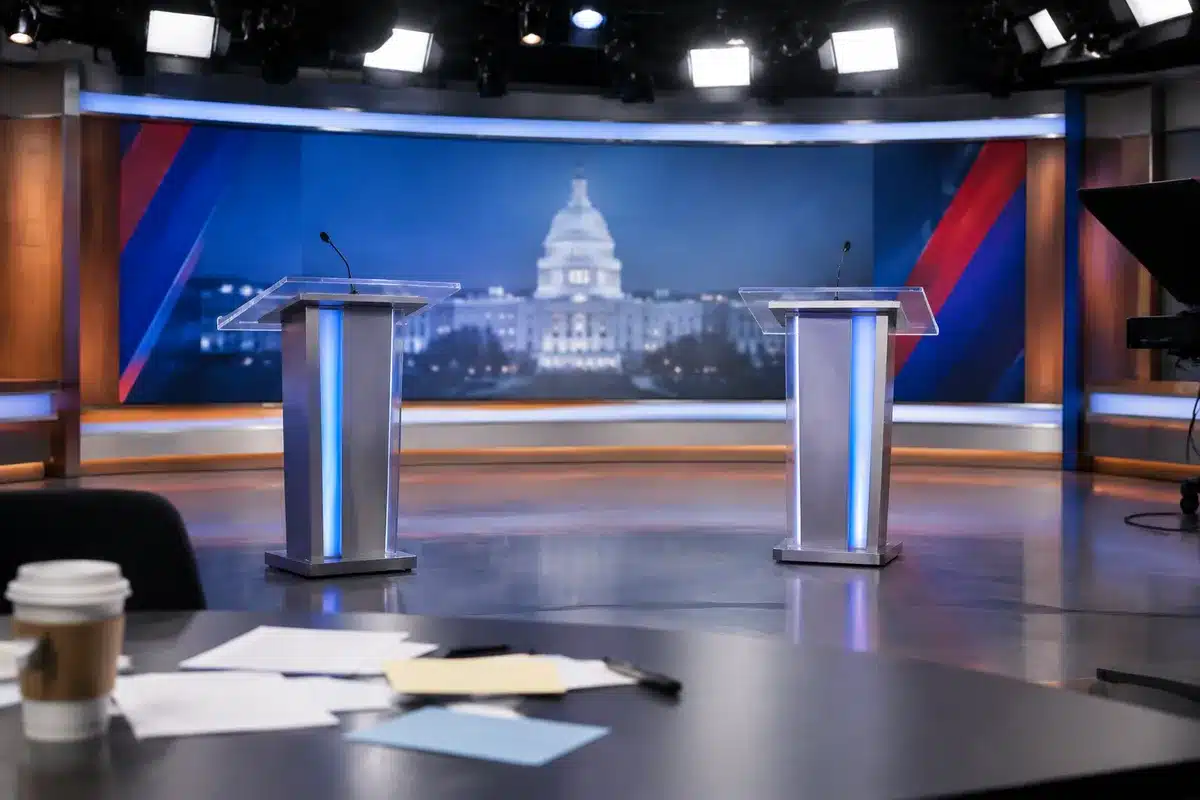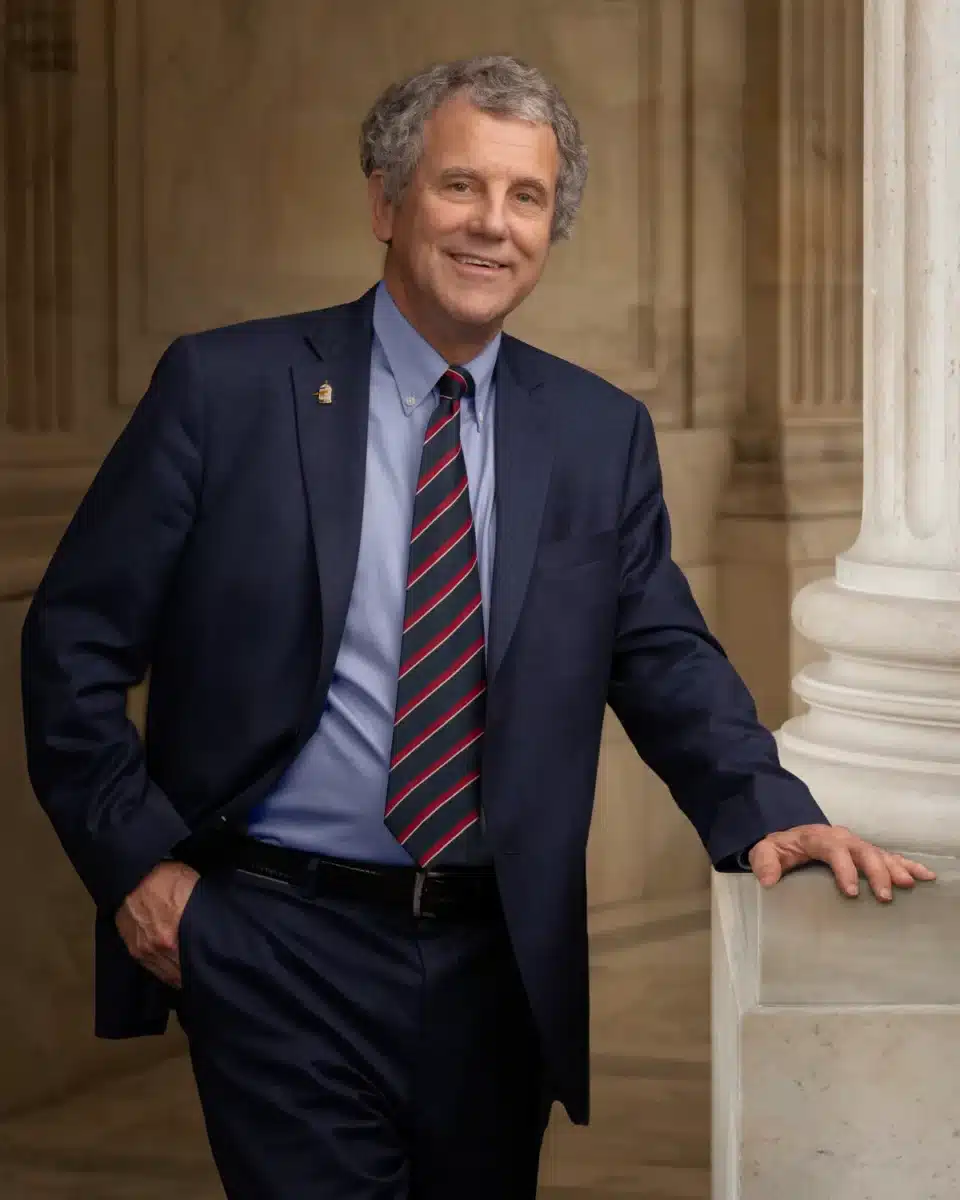
Treasury Secretary Scott Bessent unveiled “Operation Economic Outcast” on Monday, announcing the most comprehensive sanctions campaign against Iran to date, aimed at severing the country’s remaining ties to the global economy and isolating any nation that does business with Tehran.
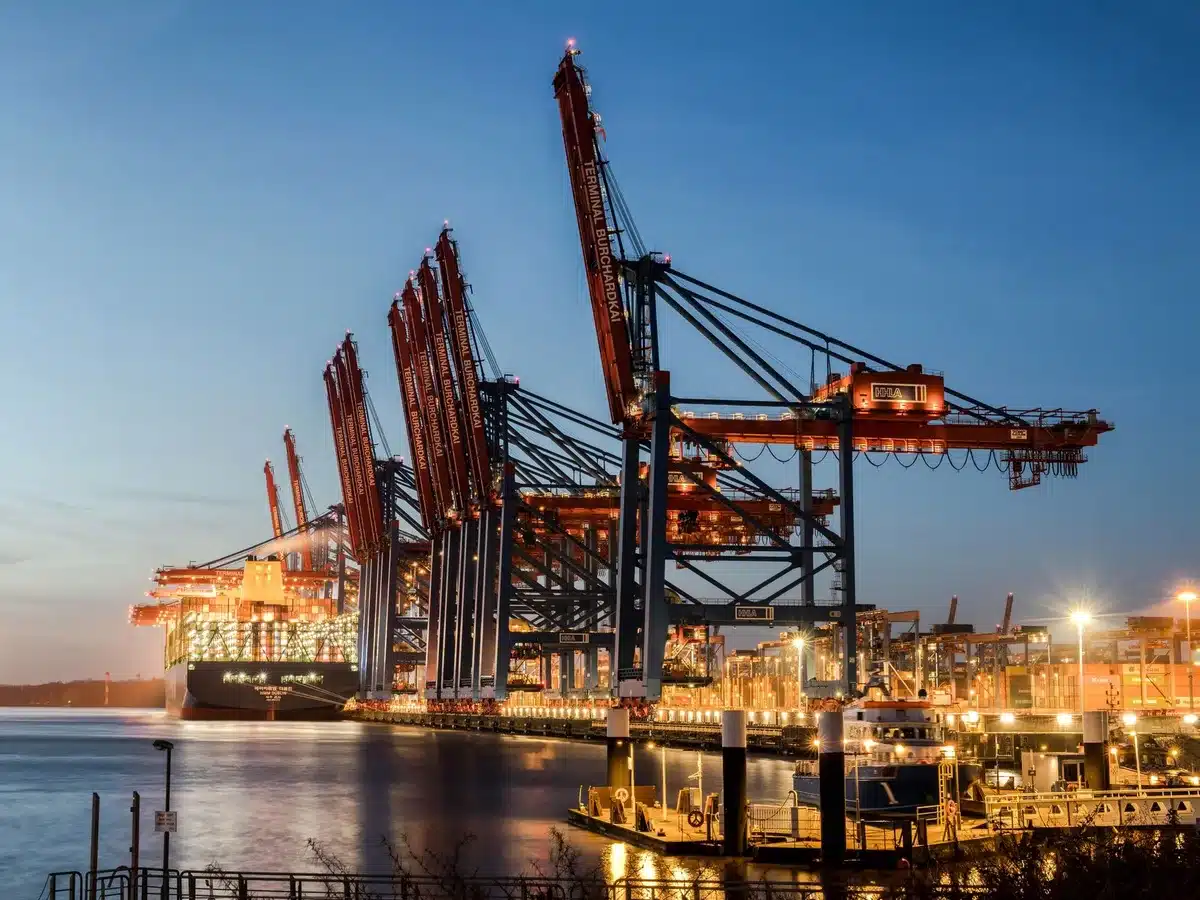
At a news conference at the Treasury Department, Bessent described the initiative as “the single greatest financial offensive ever” and an “economic D-Day” for Iran. The campaign targets five economic sectors—digital assets, technology, gold, aviation, and shipping—and imposes sanctions on nearly 60 entities, individuals, and vessels, according to Bessent’s announcement.

Bessent said the Treasury Department had mapped Iran’s financial networks and the channels the country uses to evade existing sanctions and trade oil. The new sanctions are designed to “tighten the noose and block every potential source of revenue” for Iran’s Islamic Revolutionary Guard Corps and the wider Iranian regime, he stated.
The campaign extends beyond Iran itself. Bessent warned that any nation or entity financially partnering with Iran would face isolation from the global financial system. He said President Trump would contact world leaders with “specific requests to cease their interactions with the regime,” though he declined to name particular countries.
Iran has survived decades of Western sanctions by building an economy based on what analysts call “institutional deception,” according to reporting on sanctions evasion networks. The country has historically moved oil through ship-to-ship transfers, established smuggling networks, and created schemes to obscure the origins of goods and money flows. In July 2026, Reuters reported on an illicit Iranian gambling network that helped execute a $4 billion sanctions evasion operation, illustrating the sophistication of Iran’s workarounds.
During Trump’s first term, when the administration withdrew from the 2015 Iran nuclear deal and reimposed sanctions in 2018, Iran’s economy suffered significant impacts—oil production and GDP growth contracted sharply, and the currency depreciated—yet the regime remained in power. Analysts have long debated whether sanctions alone can force policy change in Tehran.
The timing of the announcement reflects broader tensions. The conflict between the U.S. and Iran, which began in late February 2026, has disrupted global oil markets. Iran has effectively blocked the Strait of Hormuz, through which roughly one-fifth of the world’s oil and gas normally passes, driving crude prices higher and fueling concerns about energy costs ahead of the U.S. midterm elections in November.
Bessent’s announcement follows months of escalating economic pressure rhetoric from the Trump administration. In April 2026, the Treasury imposed sanctions on foreign banks and firms doing business with Tehran after military operations failed to force the Iranian regime to surrender. The new campaign represents a further shift toward economic leverage as the administration’s primary tool for pressuring Iran.
The Treasury secretary emphasized that nations and entities assisting Iran “cannot claim they are blind to enabling this activity” and warned that enforcement would proceed “very quickly.” However, he acknowledged the need to give countries time to understand the new sanctions before moving to enforcement.
Sources
- BBC — Scott Bessent’s announcement of Operation Economic Outcast, the five targeted sectors, number of sanctioned entities, and Bessent’s direct quotes about the campaign’s scope and goals.
- Reuters — Iran’s historical use of smuggling networks and the July 2026 report on an illicit gambling network’s $4 billion sanctions evasion operation.
- Global Initiative — Analysis of how Iran has survived decades of sanctions through institutional deception and ship-to-ship oil transfers.
- NPR — Iran’s ability to evade sanctions through smuggling networks and economic adaptation strategies.
- CNBC — Context on the 2018 sanctions campaign and its economic effects on Iran under Trump’s first term.