US Treasury Secretary Scott Bessent announced on August 20 that the Trump administration will impose what he called “the toughest sanctions in history” on Iran, combining economic isolation with a military blockade in what he described as a maximum pressure campaign to collapse the Iranian regime.
Bessent told CNBC that the strategy amounts to a “one-two punch” — a blockade paired with unprecedented sanctions — designed to force regime change without large-scale military operations. “We are going to collapse this regime,” he said, adding that the administration views economic warfare as a path to victory in the nearly six-month-old conflict between the US, Israel, and Iran.
The Treasury secretary made a stark ultimatum to the international community: “You’re either with us or against us.” Bessent warned that any country transferring money to Iran, buying its oil, or providing seaborne transport would face penalties from the US Treasury and government. He billed the approach as the “greatest coordinated economic isolation in the history of the world” and called on allies to choose sides.
On the same day, the Trump administration expanded its enforcement by designating 10 people associated with Hezbollah, the Iran-backed Lebanese group, for sanctions. Among those targeted was a Turkish businessman accused of funneling funds to Hezbollah’s base.
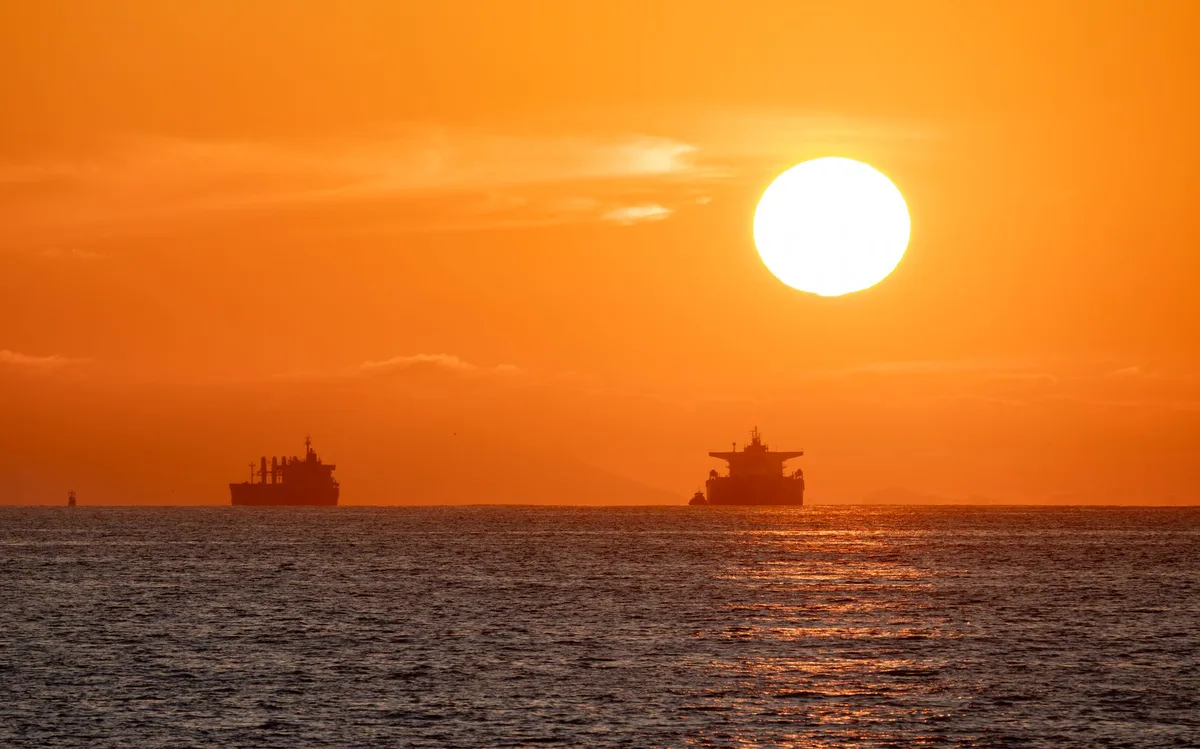
The blockade component of the campaign centers on the Strait of Hormuz, a critical shipping lane that Iran has restricted since the war began on February 28. Bessent argued that reopening the strait would benefit all nations, noting that China sources 50 percent of its energy from the Persian Gulf region. However, China, which purchases more than 80 percent of Iran’s shipped oil according to analytics firm Kpler, rejected the pressure. A Chinese embassy spokesperson stated: “Sanctions and pressure do not help resolve the problem. China calls on the relevant parties to take responsible actions and resolve the issue through political and diplomatic means.”
The campaign announcement came after President Trump promised on August 19 “the most crushing economic operation ever taken against any country” would be unleashed on Iran. Trump also warned of “tremendous consequences” for any nation continuing to trade with Tehran. When asked whether the US would target China for its oil purchases from Iran, Bessent declined to answer directly, saying some conversations are best held in private.
The administration’s current push echoes a prior maximum pressure campaign from 2018 to 2021, when the Trump administration designated over 970 Iranian entities and individuals in more than 26 rounds of sanctions. That earlier campaign saw Iran’s oil export revenues plummet from $122.5 billion in 2018 to $4 billion by 2020, according to the Council on Foreign Relations. However, critics have questioned whether such sanctions ultimately achieved US strategic goals, noting that Iran continued to develop its nuclear program and that the campaign did not trigger the regime change Washington sought.
The timing of the announcement reflects the expiration of a 60-day ceasefire on August 18. The White House declined to extend the temporary truce, signaling a shift toward the economic isolation strategy. Bessent’s framing of sanctions as an alternative to “large-scale kinetic restart” suggests the administration believes economic pressure can achieve its aims without renewed major military operations, though oil markets have reacted with concern—prices climbed to three-week highs on news of the campaign.
Bessent noted that the US faces a “asymmetric information” problem in explaining its economic strategy to markets. He urged confidence that the blockade and sanctions would work, though decades of US sanctions on Iran have not previously forced regime change or fundamentally altered Tehran’s nuclear trajectory. The Treasury secretary’s confidence in the current campaign’s effectiveness remains untested against international resistance, particularly from China and other major trading partners.
Sources
- Reuters — Bessent’s August 20 statement on toughest sanctions in history, the blockade strategy, and China’s response
- Al Jazeera — Bessent’s “one-two punch” framing, the “with us or against us” ultimatum, the “greatest coordinated economic isolation” claim, and the August 20 Hezbollah designations
- State Department (2019) — Documentation of the 2018-2021 maximum pressure campaign designating over 970 Iranian entities and individuals
- Council on Foreign Relations (2021) — Iran’s oil export revenue collapse from $122.5 billion in 2018 to $4 billion in 2020 under maximum pressure sanctions