Update (Aug 23): Iran's Supreme National Security Council Secretary Mohsen Rezaei unveiled a "hit list" of regional states supporting US sanctions, warning that their oil transportation routes and economic interests could be targeted if they cooperate with the sanctions campaign.
Iran’s top security official warned Saturday that any country joining the United States’ new economic campaign against Tehran would be considered an enemy, as the Trump administration escalates pressure on the Islamic Republic after nearly six months of military conflict.
Mohsen Rezaei, secretary of Iran’s Supreme National Security Council, declared on state television that nations participating in US economic sanctions would face Iranian retaliation. “Any country that takes part in imposing economic restrictions on us will be regarded as an enemy,” he said, threatening that Iran would “target that country’s interests” if they did not heed Tehran’s warning.
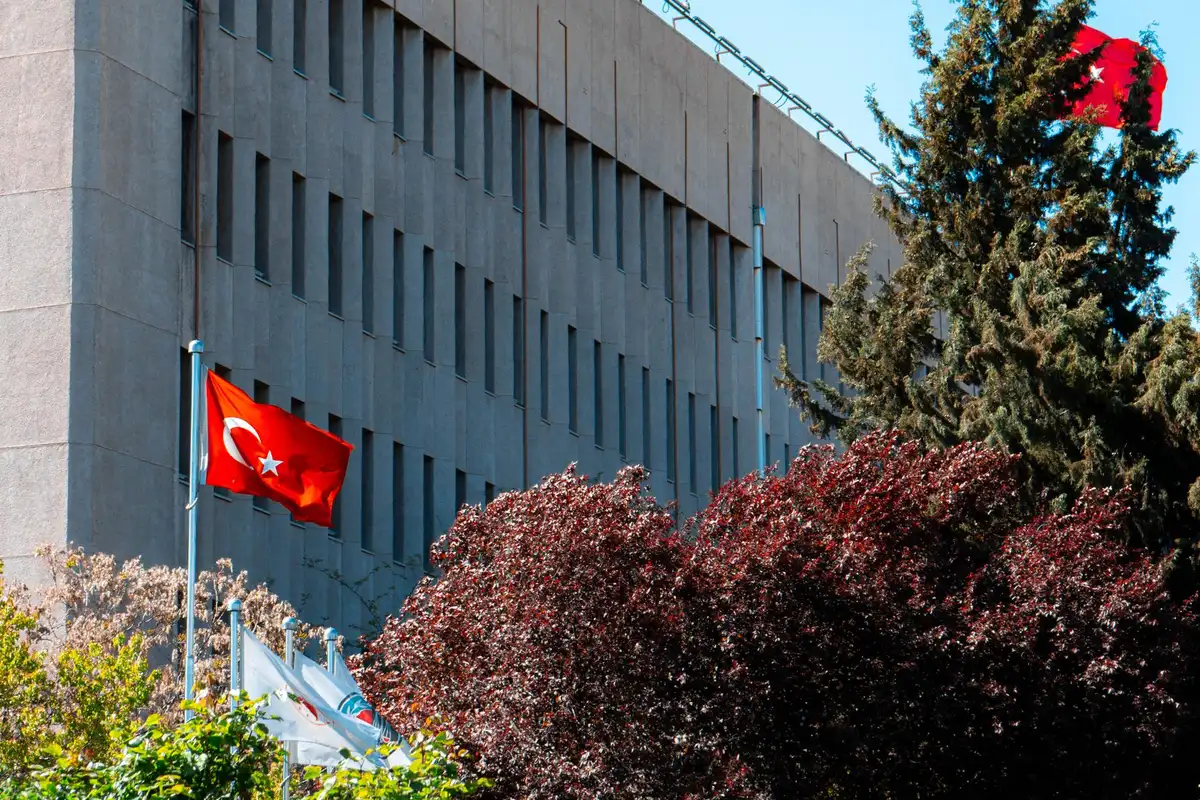
Rezaei’s warning came three days after President Donald Trump announced what he called the “most crushing economic operation ever taken against any country.” Trump threatened “tremendous economic consequences” for any nation allowing its financial institutions, businesses, airports, or government entities to provide support to Iran.
The shift to economic pressure marks a strategic pivot after military strikes failed to bring Iran back to the negotiating table. Pentagon advisers told Trump last month that the US had nearly exhausted its list of targets in Iran and the military campaign had reached the limits of its effectiveness, according to reporting from the Guardian.
Rezaei outlined a three-stage Iranian response strategy: first, negotiations asking countries to distance themselves from the US; second, strikes targeting those countries’ interests if they refused; and third, broader escalation. “If they do not act, we will strike. We will target that country’s interests,” he said, adding that any US military action would result in a response “like an earthquake.”
The Trump administration is building what it frames as an unprecedented coordinated isolation campaign. US Treasury Secretary Scott Bessent told allies, “You are either with us or against us,” while specifically urging China—which buys more than 80 percent of Iran’s shipped oil—to cut economic ties with Tehran. China has rejected the pressure, arguing that sanctions will not resolve the conflict and calling for diplomatic solutions instead.
One major trading partner has already capitulated. The United Arab Emirates, which provided more than 30 percent of Iran’s imports before the war, announced Wednesday it was suspending all trade and financial transactions with Tehran, citing escalations that undermine regional peace and security.
The effectiveness of Trump’s new campaign remains uncertain. Experts note that Iran has endured the most comprehensive sanctions regime in US history and has adapted through sophisticated evasion networks. However, Miad Maleki, a former Treasury official who designed Iran pressure campaigns, told NPR that conditions differ this time. The combination of a naval blockade in the Strait of Hormuz and regional countries cutting ties with Iran creates what he called “an unprecedented level of pressure.” Maleki noted that Iran’s previous escape routes through the UAE and other Gulf states are now closing, making sanctions enforcement potentially more effective than in past campaigns.
The standoff persists as the Iran-US ceasefire expired and Trump declared the Strait of Hormuz US territory, a claim that has drawn international skepticism. Trump’s economic operation announcement targets oil smuggling, swap lines, cash transfers, and shell company networks that Iran has historically used to bypass sanctions. Talks between Iran and the US remain stalled after nearly six months of war that began with joint US-Israel airstrikes on February 28.
Iran’s foreign ministry dismissed the new sanctions as “economic terrorism” and an assertion of “extraterritorial sovereignty” that violates international law. The ministry also said the US announcement violated the sovereignty of independent nations by threatening secondary sanctions against countries that trade with Iran.
Sources
- Deutsche Welle — Mohsen Rezaei’s statement that countries joining US economic war will be considered enemies; Trump’s “most crushing economic operation” announcement.
- Al Jazeera — Rezaei’s three-stage response strategy; Bessent’s “you are either with us or against us” statement; UAE suspension of trade with Iran; Iran’s foreign ministry response on extraterritorial sovereignty.
- The Guardian — Trump’s announcement of economic campaign; Pentagon advisers’ assessment that military campaign reached limits; details on Trump’s threat to Iran’s trading partners; Rezaei’s threat to target oil-shipping routes and US economic interests.
- NPR — Miad Maleki’s analysis on why Trump’s economic pressure may be more effective this time, including naval blockade and regional pressure; China’s rejection of sanctions pressure.