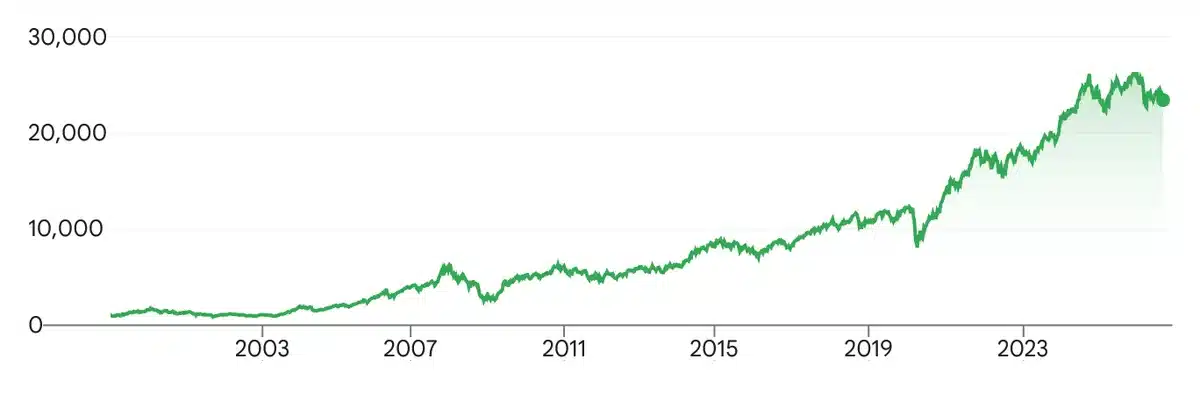
Iran’s rial plunged to 2 million per dollar on August 23, marking a historic low as the country’s economy deepens its crisis amid war, sanctions, and currency collapse. The milestone reflects a staggering 47-fold devaluation from approximately 42,000 rials per dollar just two years earlier, leaving ordinary Iranians struggling with soaring costs for food, fuel, and basic goods.
The currency’s freefall is part of a broader economic unraveling. Inflation has reached 87.9 percent, according to data released in late July 2026, while unemployment climbed to 9.1 percent in the spring—a 1.8-percentage-point jump from the prior year. Gross domestic product is expected to contract 5.4 percent in 2026, compounding the pain for a population already battered by years of international sanctions and economic isolation.
The deepening crisis comes as the Trump administration escalates economic pressure. On August 21, Trump announced what he called the “toughest sanctions in history” against Iran, threatening severe consequences for any country doing business with the Islamic Republic. The move signals a shift from military confrontation toward economic warfare, following the expiration of a 60-day ceasefire that the White House declined to extend.
Iran’s economy was already fragile before the latest sanctions threat. The 2026 war with the United States disrupted oil exports, a critical revenue source, and triggered widespread supply shortages. The government has struggled to manage inflation through currency controls and price caps, ultimately ineffective as black-market rates for dollars have soared far beyond official rates. In March 2026, authorities issued a record 10 million rial banknote—equivalent to about $6 at the time—a sign of the currency’s accelerating collapse.

The regime has dismissed Trump’s threats, with Iranian officials arguing that years of sanctions have already forced the country to adapt. On August 23, Iran’s government warned that nations joining what it called the “US economic war” would be treated as enemies, signaling defiance even as the rial’s collapse erodes purchasing power for ordinary citizens. President Masoud Pezeshkian called for an end to the conflict from “a position of strength,” though the currency crisis suggests Tehran’s negotiating position has weakened considerably.
Comparable currency collapses in other conflict-affected economies have taken years to stabilize. When Venezuela’s bolivar entered hyperinflation in 2016, the currency lost 99.9 percent of its value over five years, forcing mass emigration and deepening humanitarian hardship. Economic analysts warn that Iran faces similar risks if sanctions intensify and oil revenues continue to fall, potentially triggering further capital flight and social instability.
For Iranian households, the rial’s crash translates directly into hardship. Food prices on some items have jumped more than 400 percent, according to reports from June 2026, straining family budgets and sparking protests in bazaars and among workers. The combination of currency collapse, inflation, and unemployment has eroded the middle class and pushed more Iranians toward informal or underground economies to survive.
Sources
- i24news — reported the rial hitting 2 million per dollar on August 23, 2026
- Gulf News — covered the rial’s crash to record lows and deepening economic pain
- Business Insider — provided August 2026 data on GDP contraction (5.4%), inflation, and unemployment (9.1%)
- Amwaj Media — reported August 7, 2026 data on 5.4% GDP contraction and 69% inflation projection for 2026
- Iran Wire — reported July 29, 2026 unemployment figures (9.1% in spring 2026)
- Reuters — reported Trump’s August 21 announcement of “toughest sanctions in history”
- Wikipedia (Iranian economic crisis) — documented the rial’s fall from 42,000 to over 1.1 million rials per dollar
- CNBC — reported April 2026 data on GDP contraction (6.1%), inflation (68.9%), and exchange rates
- Fortune — reported June 2026 data on food price inflation exceeding 400% on some items
- ALREADY_RETRIEVED sources — Trump’s “most crushing” economic operation announcement (Aug 21), White House ceasefire non-extension (Aug 18), Iran’s warning on economic war (Aug 23), Pezeshkian’s call for end to war (Aug 23)