President Trump ruled out extending a 60-day ceasefire with Iran on Monday as the agreement expired without a permanent peace deal in sight, leaving the two nations in a deepening standoff over the strategically critical Strait of Hormuz.
The Memorandum of Understanding, signed in June 2026, set a 60-day deadline for negotiating a final agreement to end the war that began in February. As that deadline passed on August 17, Trump declared that Tehran would not accept the terms necessary to end their conflict. “They’re not going to make the kind of deal that I feel is necessary,” Trump said in the Oval Office on Monday.
A senior White House official described negotiations as “static,” with Iran and the U.S. deadlocked over several key issues. Sticking points include the status of frozen Iranian financial assets, control of shipping operations in the Strait of Hormuz, and the ongoing U.S. naval blockade of Iranian ports. Iran has also escalated its demands in recent days to include compensation for war-related damages, the release of frozen assets, and cessation of all threats against Iran and its regional proxies.
The impasse reflects deeper structural challenges in the negotiations. A White House official noted that the Iranian governing structure is fractured into three separate factions—the Islamic Revolutionary Guard Corps, religious clerics, and government leadership—whose goals often conflict. “They keep changing the goalposts,” the official said, adding that an agreement with one faction does not guarantee buy-in from the others.
Iran’s response to the ceasefire expiration signals a hardening of positions on both sides. An Iranian official stated that Tehran would shift to a “fully offensive” military posture as peace talks have stalled, according to Reuters. The Iranian leadership has also ramped up demands, signaling no intention of winding down the conflict but instead widening it to raise costs for the U.S. and its regional allies, according to reporting by the Wall Street Journal.
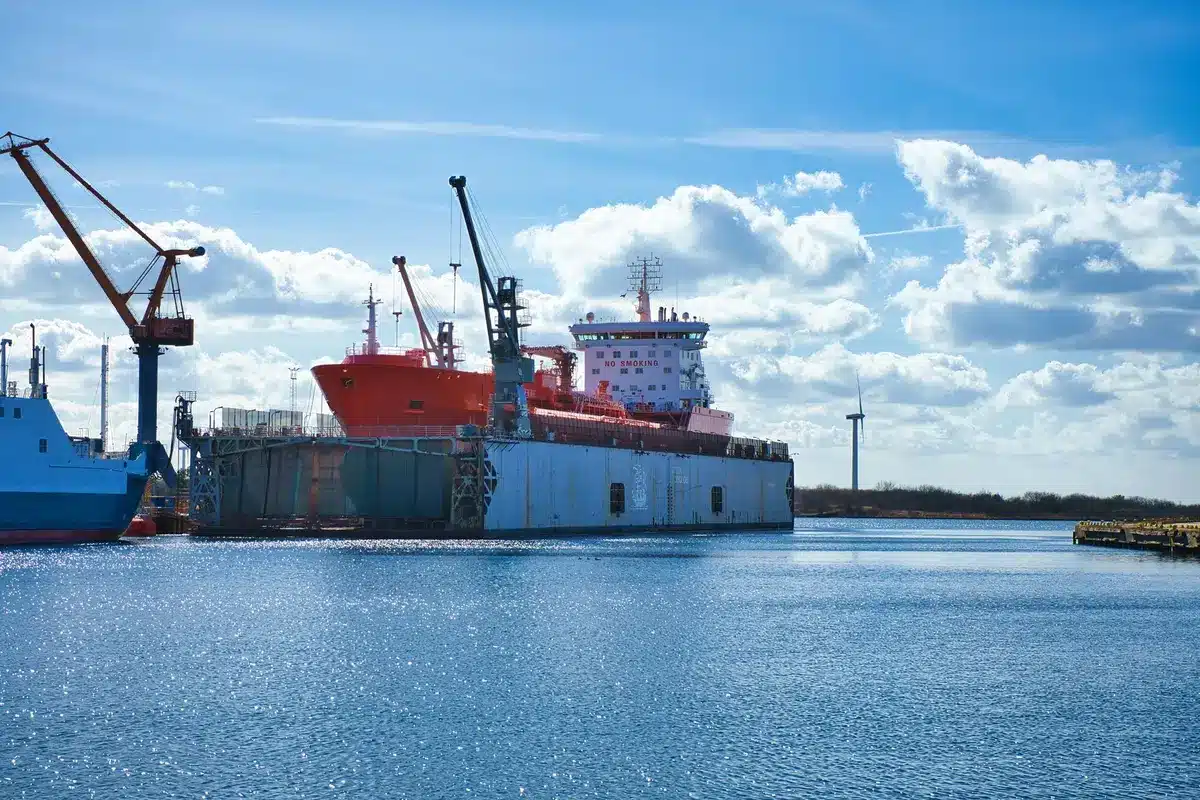
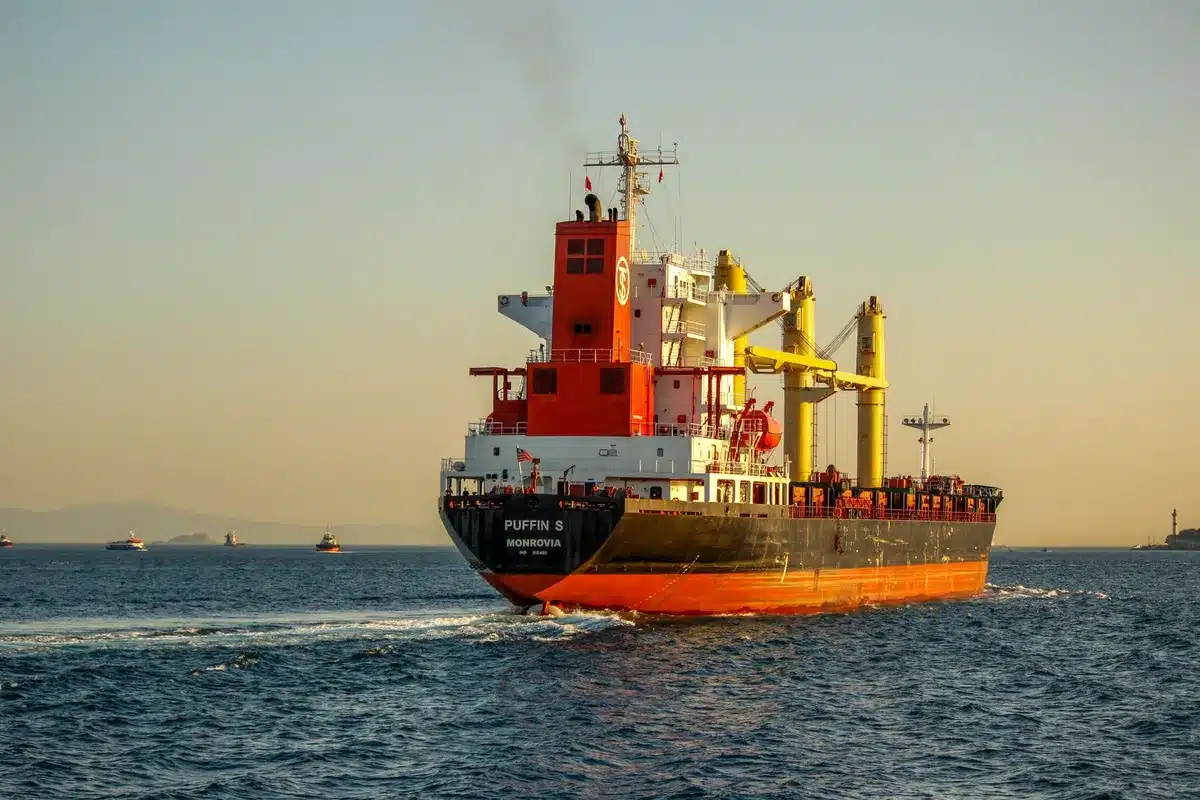
The breakdown in diplomacy has immediate economic consequences. Oil prices rose for a third consecutive session on Tuesday as traders moved away from expectations of a near-term deal. Shipping through the Strait of Hormuz, which accounts for roughly 20 percent of global oil trade, has slowed to a trickle due to sporadic attacks on tankers and the ongoing U.S. blockade. Just three vessels transited the strait on a recent Sunday, according to ship-tracking data, down from normal volumes before the war began.
Trump has adopted an increasingly aggressive stance as negotiations have failed. In a Monday Fox News interview, he threatened to “bomb the s—” out of Oman, a longtime U.S. strategic partner, if it “gets in the way” of U.S. operations—a reference to Oman’s ongoing talks with Iran about establishing an alternative maritime route through the strait. Trump has also repeatedly suggested making the Strait of Hormuz a U.S. territory, an idea experts say would violate international law.
Former U.S. Ambassador to Oman Marc Sievers told CNBC on Tuesday that the administration appears to be pursuing a diplomatic solution that was never “seriously on the table.” He characterized the conflict as having been “dragged out, perhaps unnecessarily,” and noted that both sides have dug in for a longer standoff, with neither seeing an urgent need to make concessions.
The White House is relying on economic pressure to force Iran to the negotiating table. Treasury Secretary Scott Bessent announced plans to roll out an “economic isolation” campaign, and officials have pointed to Iran’s collapsing economy—marked by fuel shortages, massive inflation, and growing civil unrest—as evidence that Tehran’s negotiating position is weak. However, analysts and former officials have questioned whether economic pressure alone will persuade a regime that has endured despite physical and economic threats for months.
The timing of the ceasefire’s collapse adds pressure to the Trump administration, which faces midterm U.S. elections in less than three months. Gas prices, which had fallen during the ceasefire, began climbing again this week, hitting $4.08 on Friday according to AAA data. The stalemate over the Strait of Hormuz and the broader Iran conflict are now central concerns for voters already fatigued by the war.
Sources
- CNBC — Trump’s statement that the U.S. is not in talks with Iran and ruled out extending the ceasefire; details on the Strait of Hormuz blockade, Trump’s threats to Oman, and oil price movements.
- Politico — White House official’s characterization of negotiations as “static”; details on sticking points including frozen Iranian assets and Strait of Hormuz control; Iran’s escalated demands; the fractured Iranian governing structure; expert analysis on the deadlock.
- Reuters — Iran’s statement that it will shift to a “fully offensive” military posture; details on stalled negotiations and core disputes.
- Scripps News — Confirmation that the 60-day ceasefire expired on August 17, 2026 with no permanent deal in sight.
- Wall Street Journal — Reporting on Iran’s hard-line leadership’s intention to widen the war rather than wind down the conflict.
- Al Jazeera — Details on the June 17 Memorandum of Understanding and the 60-day deadline for negotiating a peace deal.