Iran has tied the reopening of the Strait of Hormuz to a list of demands from the United States, keeping the vital shipping lane effectively closed as negotiations stall. Iran’s Supreme National Security Council issued the demands on August 8, 2026, stating the strait would remain closed until the United States met specific conditions, according to reporting from the New York Times and Al Jazeera.
Among Iran’s demands are the lifting of the U.S. naval blockade of Iranian ports, withdrawal of American military forces surrounding Iran, comprehensive sanctions relief, an end to future U.S. military threats against the country, and compensation for war-related damage, according to the Statesman and East Leigh Voice. Iran has insisted that the United States must “correct its behavior” before full reopening can occur, NBC News reported on August 9.
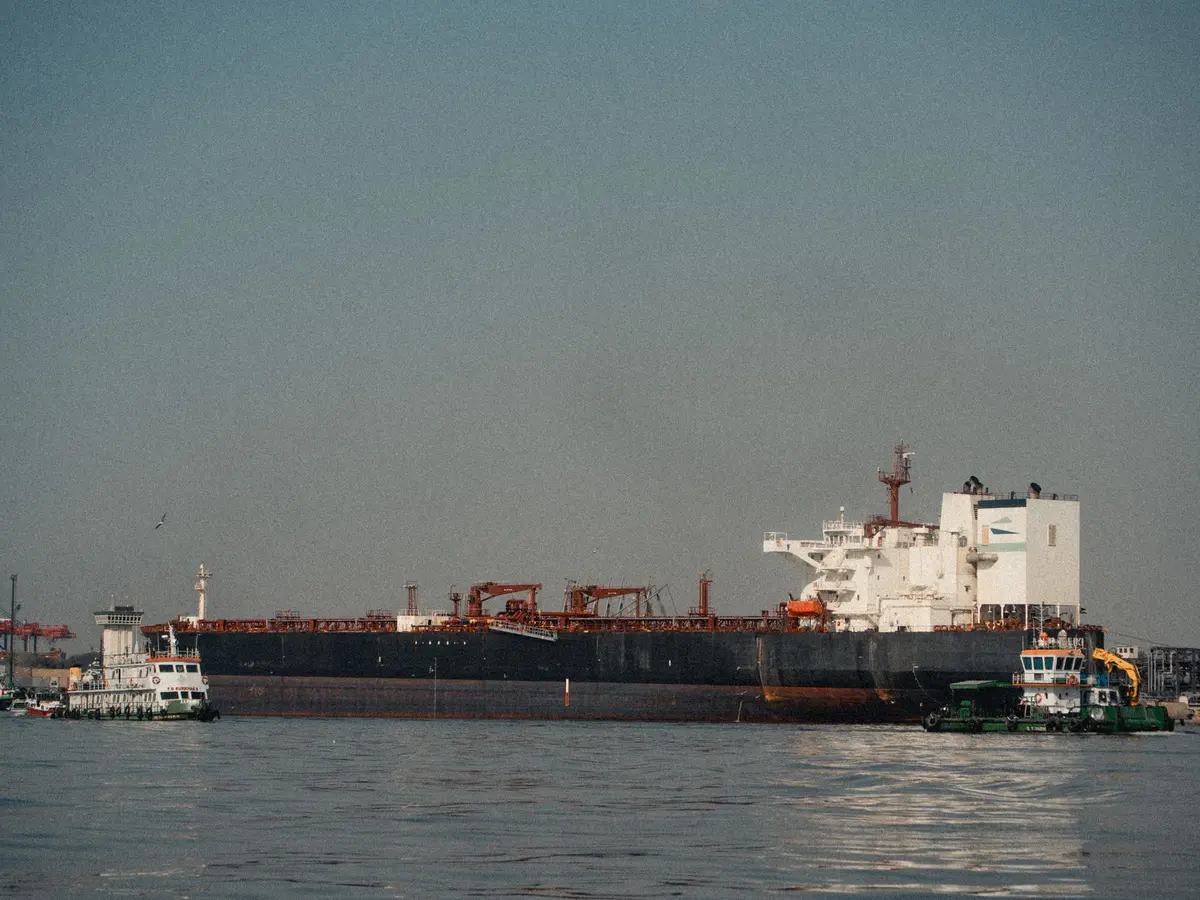
The closure has disrupted one of the world’s most critical energy chokepoints. According to Bloomberg’s analysis from March 2026, the strait’s closure has reduced global oil flows by approximately 11 million barrels per day. Reuters reported that the disruption affects shipments from major producers including Saudi Arabia, the United Arab Emirates, Iraq, and Kuwait, as well as from Iran itself.
Energy markets have already begun reflecting the disruption’s impact. Brent crude oil prices fell to $92.27 per barrel on July 27 during a temporary ceasefire pause, according to Euronews, but analysts warn prolonged closure could push prices significantly higher. The Brookings Institution noted in June 2026 that oil prices are likely to continue rising as the strait remains closed, with markets potentially taking months to normalize once it reopens.
Negotiations involving Oman, which has been mediating between Iran and the United States, have shown limited progress. The Associated Press reported on August 5 that Iran and Oman had moved closer to an agreement, but subsequent developments suggest talks remain stalled. Al Jazeera reported on August 12 that Iran was demanding the U.S. change its “behaviour” as a precondition, complicating the mediation efforts.

The broader economic stakes are substantial. According to the London School of Economics Business Review analysis from March 2026, while a short closure of the Strait of Hormuz creates an oil shock, a prolonged closure becomes an inflation and growth shock affecting economies worldwide. The United Nations Conference on Trade and Development documented in June 2026 that disruptions are sending shockwaves through the global energy system, with prices of oil and refined products rising significantly.
Sources
- New York Times — Iran’s demands and position on the Strait of Hormuz closure (August 8-10, 2026)
- Al Jazeera — Iran’s demands and energy price impacts (August 9-12, 2026)
- NBC News — Iran’s insistence that the U.S. must correct its behavior (August 9, 2026)
- The Statesman — Iran’s six demands including sanctions relief and war reparations (August 9, 2026)
- East Leigh Voice — Iran’s demands for end to threats and compensation (August 10, 2026)
- Bloomberg — Global oil flow reduction of 11 million barrels per day (March 29, 2026)
- Reuters — Impact on shipments from major oil producers (March 2026)
- Euronews — Brent crude oil price of $92.27 during ceasefire pause (July 27, 2026)
- Brookings Institution — Oil price trajectory and market normalization timeline (June 8, 2026)
- Associated Press — Iran-Oman negotiations progress (August 5, 2026)
- London School of Economics Business Review — Economic impact of prolonged closure (March 12, 2026)
- United Nations Conference on Trade and Development — Global energy system disruption (June 2026)