Diesel fuel hit $5.46 per gallon in August 2026, marking the highest price for the month as Iran’s closure of the Strait of Hormuz continues to disrupt global oil supplies and fuel markets worldwide.
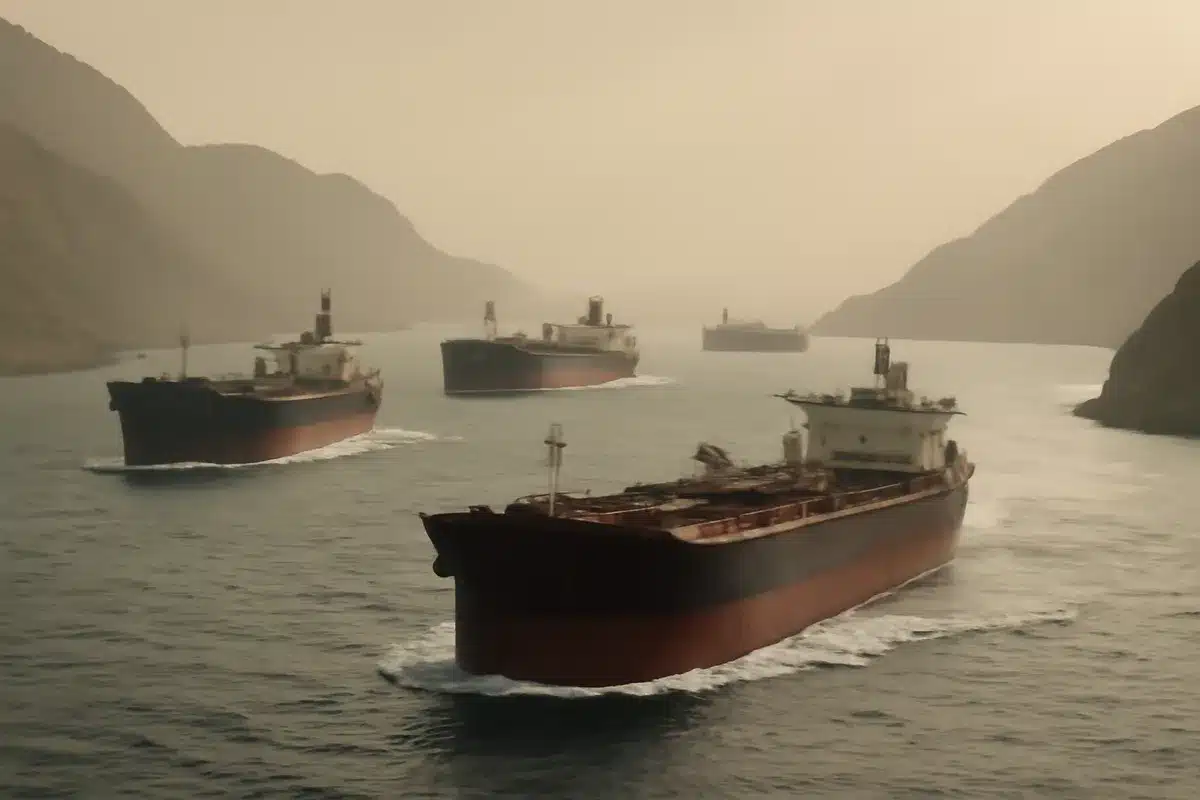
The surge reflects deepening tensions in the Middle East, where Iran has restricted shipping through the strategic waterway following escalating conflict with the United States. On August 18, a ship was struck by a projectile while exiting the Strait, according to British military officials, underscoring the hazards vessels now face in the region.
The Strait of Hormuz carries approximately 20 percent of global oil supply daily, making it one of the world’s most critical energy chokepoints. According to the Brookings Institution, the current disruption represents “the largest supply disruption in the history of the global oil market,” with Iran’s threats and attacks effectively blocking traffic through the waterway since the conflict intensified earlier this year.
Diesel prices have climbed from $3.69 per gallon a year earlier, according to AAA data. While the current $5.46 level approaches the all-time record of $5.718 per gallon set in June 2022, this August peak reflects a sustained crisis in energy markets rather than a temporary spike. The price reflects both the Iranian disruption and ongoing volatility tied to the conflict between Ukraine and Russia, which has also contributed to energy market instability.
The economic impact extends far beyond the pump. Diesel powers the trucking industry and is essential to agriculture, particularly during the busy summer harvest season. Economists warn that elevated fuel costs will eventually translate into higher prices for food and consumer goods, as diesel fuel prices continue to surge amid Middle East tensions.
Prior to the conflict, roughly 20 percent of global oil supply flowed through the Strait, consisting of approximately 15 million barrels per day of crude oil and 5 million barrels of refined products, according to Brookings researchers. The disruption has forced some oil producers to rely on alternative pipeline routes. Saudi Arabia’s East-West pipeline is now running at full capacity, delivering 7 million barrels per day to the Red Sea port of Yanbu, while the United Arab Emirates is fully utilizing its Habshan-Fujairah pipeline to move 1.8 million barrels daily to the Gulf of Oman. Even with these workarounds, the International Energy Agency estimates that oil outputs from countries affected by the closure are down more than 14 million barrels per day.
The crisis has strained global energy markets in ways comparable to past supply shocks. When the Organization of Petroleum Exporting Countries imposed an oil embargo in 1973, prices surged and triggered widespread economic disruption. The current Strait of Hormuz closure, while different in nature, has similarly rattled financial markets and raised concerns about prolonged inflation in energy-dependent economies.
Officials have released strategic oil reserves to cushion the supply shock. The International Energy Agency coordinated the largest release of oil reserves in history, a coordinated sale of 400 million barrels that added roughly 2.5 to 3 million barrels per day to the market. However, analysts cautioned that these reserves could be depleted by July or August, leaving markets vulnerable once the release ends.
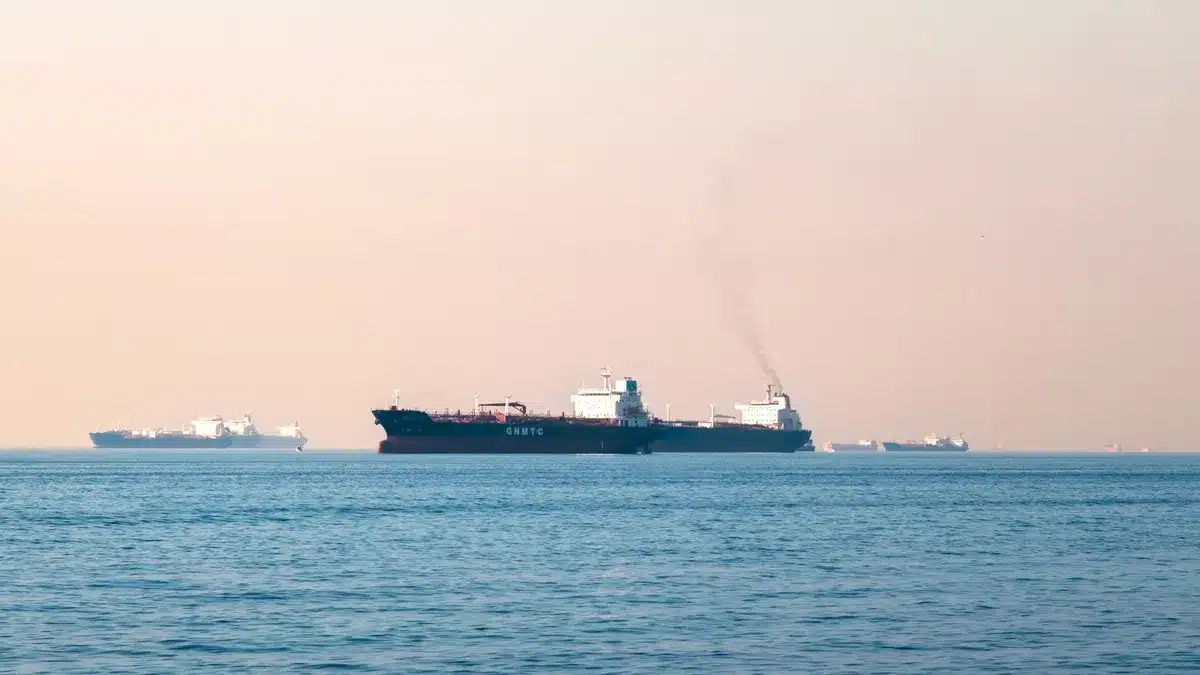
The Trump administration has stated that the United States controls the Strait of Hormuz and maintains an ironclad blockade. Iran, meanwhile, has declared control over the waterway and indicated it will keep the Strait closed until U.S. conditions are met. Iran’s grip on the Strait of Hormuz has prompted tankers to shift to the Oman route, a longer and more expensive alternative that adds further strain to global shipping.
According to Brookings analysts, there are no short-term policy solutions besides ending the war that will alleviate the crisis for consumers. Even if the Strait reopens soon, the oil market will take months to normalize as damaged infrastructure is repaired, stopped production is restarted, vessels travel to areas where they are needed, and commercial inventories are replenished.
Sources
- Brookings Institution — analysis of the Strait of Hormuz disruption as the largest oil supply shock in history, global oil flows, and market normalization timeline
- KRTV — August 18, 2026 report on diesel prices at $5.46/gallon, ship struck by projectile, AAA data, and economic impact on trucking and agriculture
- Reuters — reporting on Strait of Hormuz traffic levels and U.S. pressure on Iran
- AAA — national average diesel price data and year-over-year comparison
- International Energy Agency — oil reserve releases, supply disruption figures, and market analysis