President Donald Trump’s public objection to the opening of the Gordie Howe International Bridge has placed a major North American trade link in uncertainty, potentially affecting daily cross‑border commerce and a project paid for by Canada. With construction largely complete and an already-delayed opening looming, the dispute raises immediate questions about who controls access between Windsor and Detroit and what stakes are on the table.
What the Gordie Howe bridge is — and why it matters now
The Gordie Howe International Bridge is a 1.5‑mile, six‑lane crossing designed to supplement the nearly century‑old Ambassador Bridge between Windsor, Ontario, and Detroit. Built to relieve congestion, support heavy truck traffic and add pedestrian and cycling access, the new span was financed by Canada at an estimated CA$6.4 billion and is managed by the Windsor‑Detroit Bridge Authority.
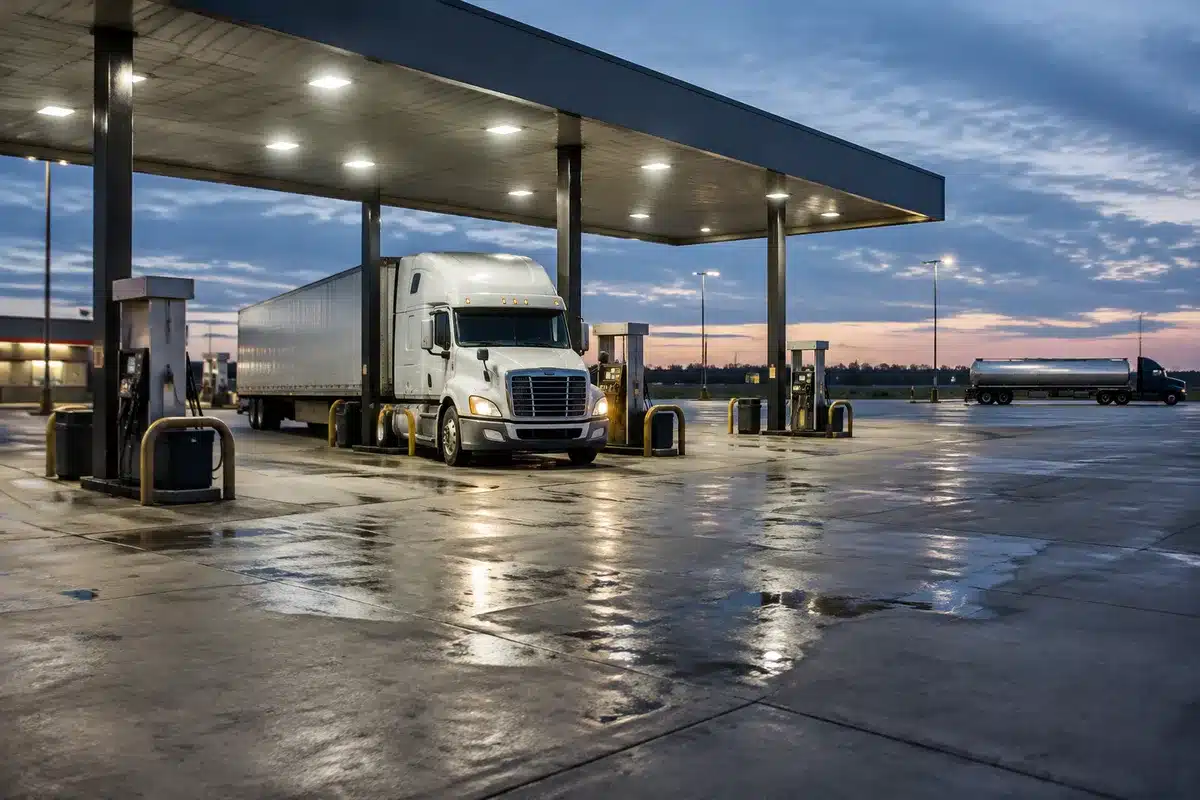
The timing of the dispute matters because the Ambassador Bridge currently handles a large share of bilateral goods flows; studies and reports have long flagged capacity constraints at that crossing. Any delay to the new bridge could keep chokepoints in place, with consequences for manufacturers, agriculture shipments and daily cross‑border travel.
How Trump’s warning could affect the opening
On his social platform, the president said he would not allow the bridge to open until the United States received what he described as “fairness and respect” from Canada, tying the infrastructure project to a broader trade disagreement. He also objected to elements of a recent Canadian trade initiative with China and suggested the U.S. should have greater ownership of the asset.
Those comments put the project in an unusual position: although Canada financed the construction, the bridge sits on an international border and relies on cooperation from U.S. agencies for customs, inspections and final approvals. That operational interdependence means political objections in Washington could translate into administrative delays.
Quick facts
- Length and lanes: About 1.5 miles long with six vehicle lanes and a walking/cycling path.
- Cost and funding: Approximately CA$6.4 billion, paid by Canada; tolls are expected to recoup the investment.
- Ownership and management: Joint ownership arrangements with Michigan; operations overseen by the Windsor‑Detroit Bridge Authority.
- Existing capacity: The privately owned Ambassador Bridge, opened in 1929, handles a substantial share of cross‑border trade and has limited throughput.
- Timeline: Construction began in 2018; the project has been delayed and was expected to open in the mid‑2020s.
How Ottawa and Michigan have responded
Canadian officials said their leader spoke with the U.S. president, and described the exchange as constructive, noting that Canada had covered the full cost of the project and that Michigan already holds a stake in the enterprise. They also emphasized the use of both American and Canadian labor and steel during construction.
In Michigan, Governor Gretchen Whitmer and state officials stressed the bridge’s economic importance. While the governor’s office said it was in contact with the White House, a state spokesperson signaled that local authorities were prepared to move forward: “The bridge will open one way or another,” the office said.
Where things stand and what to watch
Negotiations between U.S. federal authorities and Canadian counterparts have reportedly begun. Practical next steps include resolving customs and inspection arrangements, confirming final safety and regulatory approvals, and settling any policy disputes that might be raised as conditions for opening.
Key items to follow in coming days:
- Whether U.S. agencies issue the necessary operational clearances or impose conditions that could postpone the bridge’s activation.
- Any formal agreement or concession emerging from bilateral talks tied to wider trade tensions, including the Canadian approach to Chinese vehicle imports.
- Statements from the Windsor‑Detroit Bridge Authority and Michigan state officials about a firm opening date and logistics for tolling and traffic management.
The dispute is an example of how geopolitics and trade policy can intersect with infrastructure projects: even a completed, paid‑for bridge depends on cooperation across jurisdictions to function. For communities and businesses on both sides of the border, the question is no longer just when the new link will open, but under what political and operational terms.