Update (Aug 20): A second Air India A320 hydraulic incident occurred on August 13 when Flight AI2335 from Bangkok to Delhi aborted take-off after pilots detected a hydraulic malfunction, affecting over 250 passengers who were delayed more than 24 hours; the issue was resolved within three hours but crew duty-time restrictions prevented immediate departure.
Update (Aug 20): A second hydraulic incident occurred on August 13 when an Air India A320 flight from Bangkok to Delhi aborted takeoff after pilots detected a hydraulic malfunction, affecting over 250 passengers who were delayed more than 24 hours.
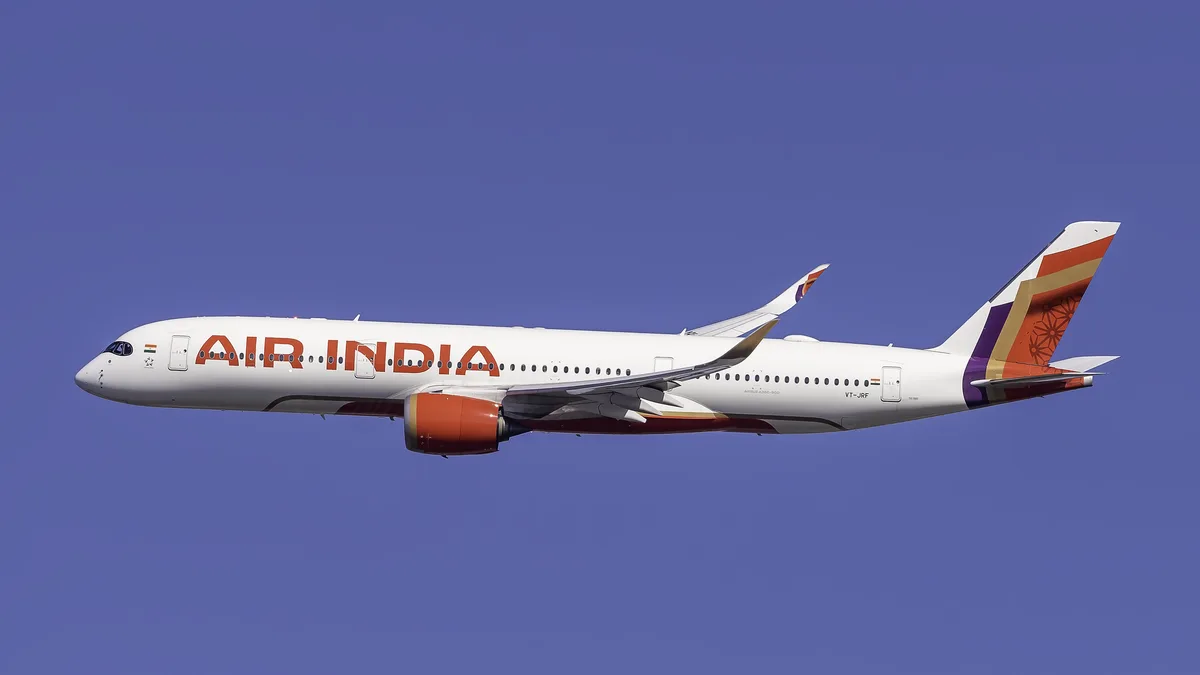
An Air India Airbus A320 lost key flight controls briefly during a sudden 300-foot drop on August 4, injuring 24 people on board, according to a preliminary Airbus analysis reviewed by Reuters. The incident on flight AI2379 from Phuket to Delhi occurred when the aircraft registered a loss of hydraulic pressure that rendered the elevators and ailerons unresponsive for approximately four seconds.
For about four seconds, the pilots were unable to use the elevators and ailerons, movable parts on the wings and tail that control whether the plane points up or down and banks left or right, according to Airbus. The first officer applied a full nose-down input, but there was “no direct response” from the flight-control surfaces before the hydraulic systems recovered within seconds.
Airbus’ preliminary analysis showed the plane registered losses in all three hydraulic systems in quick succession. The aircraft pitched upward during the incident, and the sudden altitude change exposed the aircraft to forces above specified limits, prompting Airbus to recommend structural damage inspections. The planemaker did not establish what caused the loss of hydraulic pressure in its initial assessment.
Airbus asked Air India to run comprehensive tests on the aircraft’s hydraulic systems and the pressure sensors and switches that monitor them. The company also requested that some sensors be removed for inspection and said further checks of the wiring might be needed. The flight landed safely in Delhi despite the altitude loss, and the Aircraft Accident Investigation Bureau (AAIB) has classified the event as a serious incident, with technical assistance from Airbus and France’s Bureau of Enquiry and Analysis for Civil Aviation Safety.
Multiple System Failures Preceded the Incident
The cascade of failures was more complex than a simple hydraulic loss. According to sources familiar with the automated post-flight maintenance report, the aircraft experienced nine warning messages within one minute, involving low-pressure indications and failures affecting one or two hydraulic systems at a time, with different combinations appearing as the failures cascaded. This sequence included an autopilot disconnect and simultaneous fault indications affecting both the left and right elevators.
The near-simultaneous failure of three hydraulic systems is described by several pilots as extremely rare. The A320neo has three independent hydraulic systems that power critical functions including primary flight controls, landing gear, nose-wheel steering, and braking systems. As the aircraft pitched up and a stall warning was triggered, one of the pilots took manual control and attempted to push the nose down, which may have involved significant control input that contributed to the 300-foot altitude loss in a matter of moments.
Air India initially described the event as turbulence-related, but later statements dropped that description, saying instead that the aircraft had suffered a sudden loss of altitude. The airline began mandatory substance testing for all pilots following the incident, after the flight’s captain tested positive for marijuana in a confirmatory drug test, though no link between the test result and the altitude loss has been established.
Sources
- Reuters — preliminary Airbus analysis confirming hydraulic pressure loss, flight control unresponsiveness, and 24 injuries
- The Hindu — cascade of hydraulic failures, nine warning messages, autopilot disconnect, and technical failure sequence details
- Al Jazeera — context on A320 flight control systems and industry precedent with similar incidents