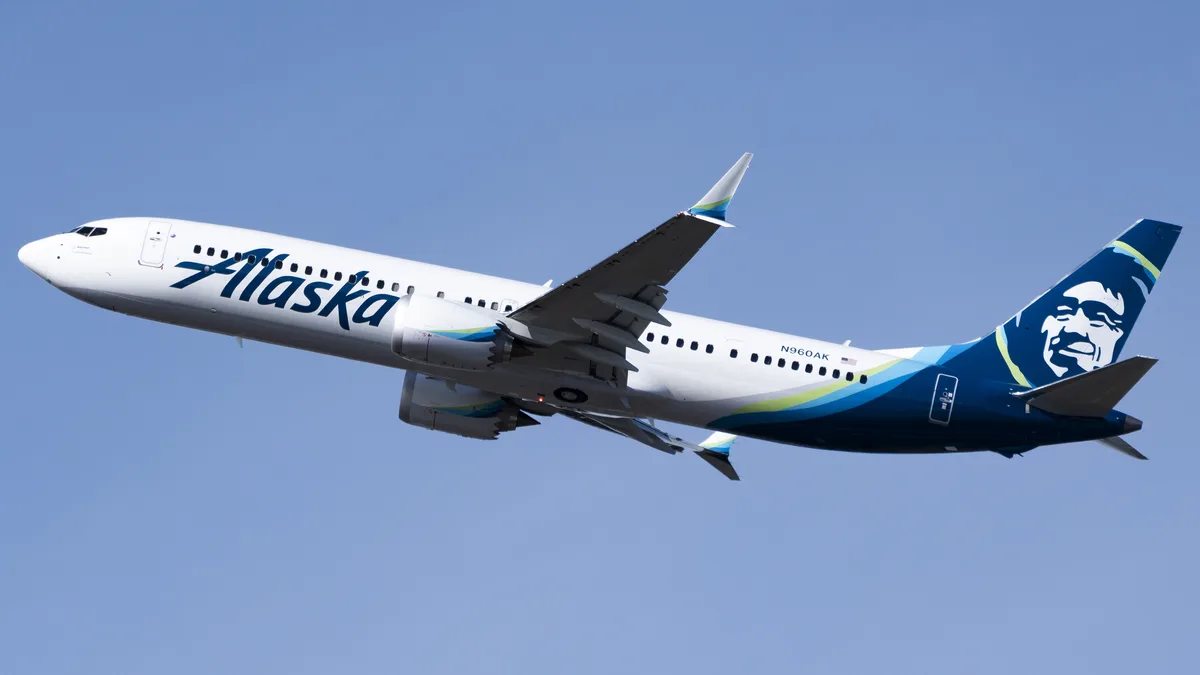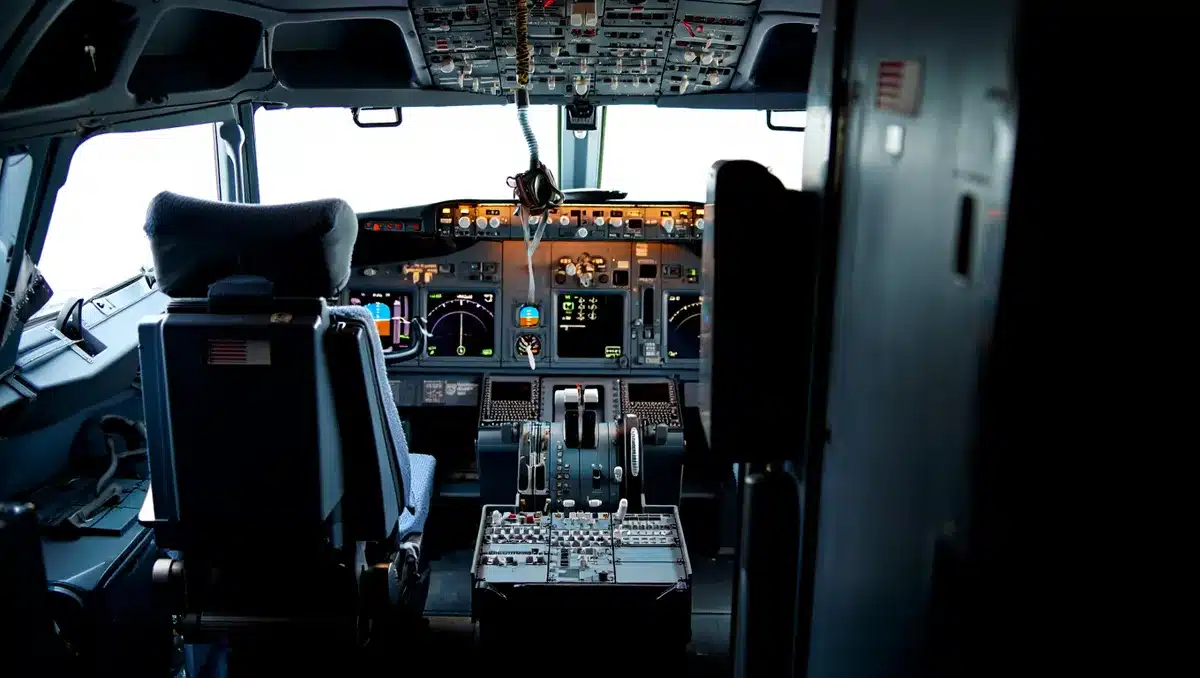
Delta Air Lines Flight 1334 returned to Atlanta shortly after departure on Thursday morning after a smoky odor was reported onboard, forcing the crew to declare an emergency and don oxygen masks as a precautionary measure. The Airbus A321-200, carrying 181 passengers and crew bound for Fort Lauderdale, halted its climb at 5,900 feet about 15 minutes after lifting off at approximately 7 a.m. from Hartsfield-Jackson Atlanta International Airport on August 13.
The flight crew followed established procedures and landed safely without incident, Delta said. “Nothing is more important than the safety of our customers and crew, and we apologize to our customers for the delay in their travels,” the airline stated. No injuries were reported, and officials have not yet disclosed the technical cause of the odor.
The pilots transmitted squawk 7700, the internationally recognized distress code that grants immediate priority from air traffic control and triggers emergency services standby at the destination airport. Airport fire and rescue units were waiting on the taxiway when the aircraft touched down on the same runway from which it had departed. A replacement Airbus A321-200 eventually departed for Fort Lauderdale at 10:27 a.m., more than three hours behind schedule, according to FlightAware tracking data.
A Repeat Event Within Five Days
Thursday’s incident echoes a more severe smoke emergency that occurred five days earlier on the same Atlanta-based carrier. Delta Flight 2204, a Boeing 757-200, returned to Atlanta on August 8 after its crew reported fumes in the flight deck shortly after departure for Orlando. The pilots declared an emergency and landed approximately 17 minutes after takeoff.
After landing, the situation escalated. Within minutes, the captain radioed air traffic control: “Delta 2204, change of plans. We now have smoke in the back, and we need to deplane immediately.” The pilots shut down both engines, deployed emergency slides, and all 199 passengers and six crew members evacuated onto the taxiway. One passenger and one crew member required medical attention, according to reporting by TechTimes. The Federal Aviation Administration confirmed it opened an investigation into the cause.
The concentration of two smoke-related emergency returns from the world’s busiest airport within five days is statistically unusual. FAA research published in 2015 found cabin air quality events occur at a rate of fewer than 33 per million aircraft departures. The FAA Reauthorization Act of 2024 mandated improved fume event reporting requirements and sensor technology research, a legislative acknowledgment that the existing reporting architecture left gaps in the agency’s ability to track these events systematically.
Most onboard smoke or fume events on aircraft with bleed-air environmental control systems—including the Airbus A321 family—involve petroleum-based oil entering the air supply pathway. The FAA has documented that compressed air drawn from engine or APU compressor stages can carry oil mist when seals fail, producing characteristic odors. The cabin’s HEPA filtration system removes 99.97 percent of airborne particles but does not remove gases or vapors, allowing organophosphate compounds from engine oil to pass through unchanged, according to FAA guidance on cabin air quality.
Delta has not publicly disclosed the technical origin of Thursday’s smoky odor on Flight 1334, and the Flight 2204 investigation remains ongoing. Neither event has been attributed to a specific cause. The pilots’ decision to don oxygen masks—standard procedure for both flights—represents a precautionary response designed to protect the flight crew’s ability to safely operate the aircraft, regardless of the contaminant source.
Sources
- New York Post — detailed account of Flight 1334’s emergency return, passenger count, and Delta’s statement
- CBS News Atlanta — Flight 1334 timeline, departure and landing details, Delta’s official response
- TechTimes — comprehensive reporting on both August 13 and August 8 incidents, passenger evacuation details on Flight 2204, FAA investigation confirmation, technical explanation of bleed-air fume mechanisms, and US vs. EU passenger compensation law
- Simple Flying — Flight 2204 passenger evacuation count and aircraft specifications
- Airways Magazine — Flight 2204 landing time and emergency response details
- Federal Aviation Administration — statement confirming FAA investigation into Flight 2204, cabin air quality guidance on oil seal failures and HEPA filtration limits