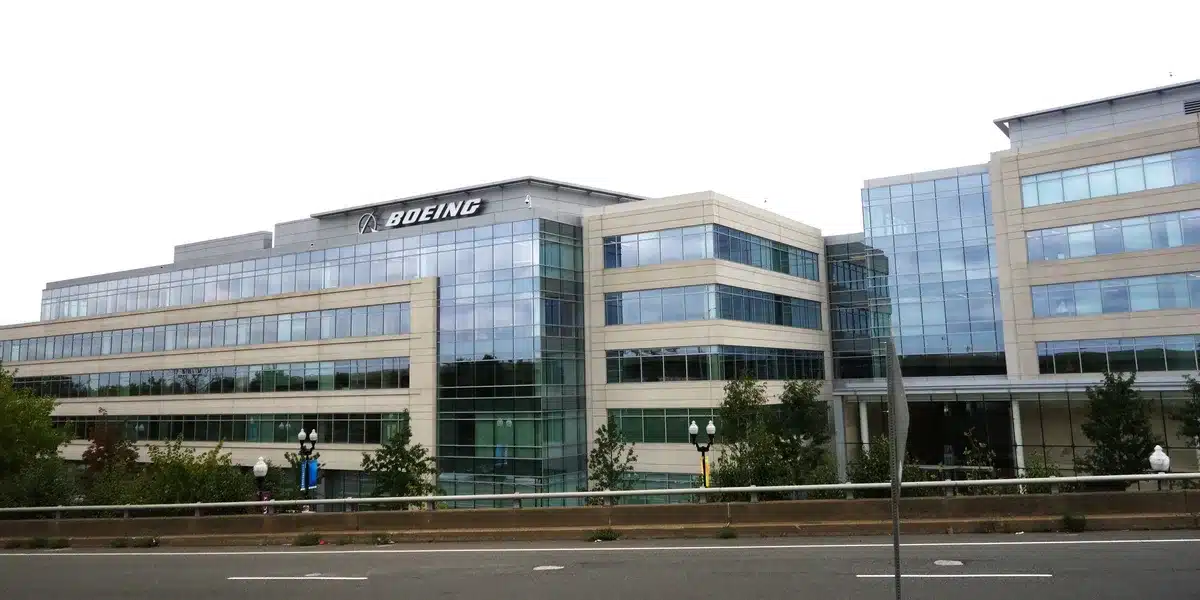
The Federal Aviation Administration has ordered inspections of 471 Boeing 737 Max aircraft for potential cracks in the fuselage, following reports of similar structural damage on older 737 models. The airworthiness directive, issued August 6 and effective September 10, 2026, targets the bear strap—a structural reinforcement that distributes fuselage stress loads around the forward galley door cutout on the aircraft’s main cabin.
No cracks have been found on any 737 Max aircraft to date, according to the FAA and Boeing. The directive is a precautionary measure prompted by reports of cracking discovered in the same component on earlier 737 Next Generation models, which share a similar design and manufacturing process with the Max.
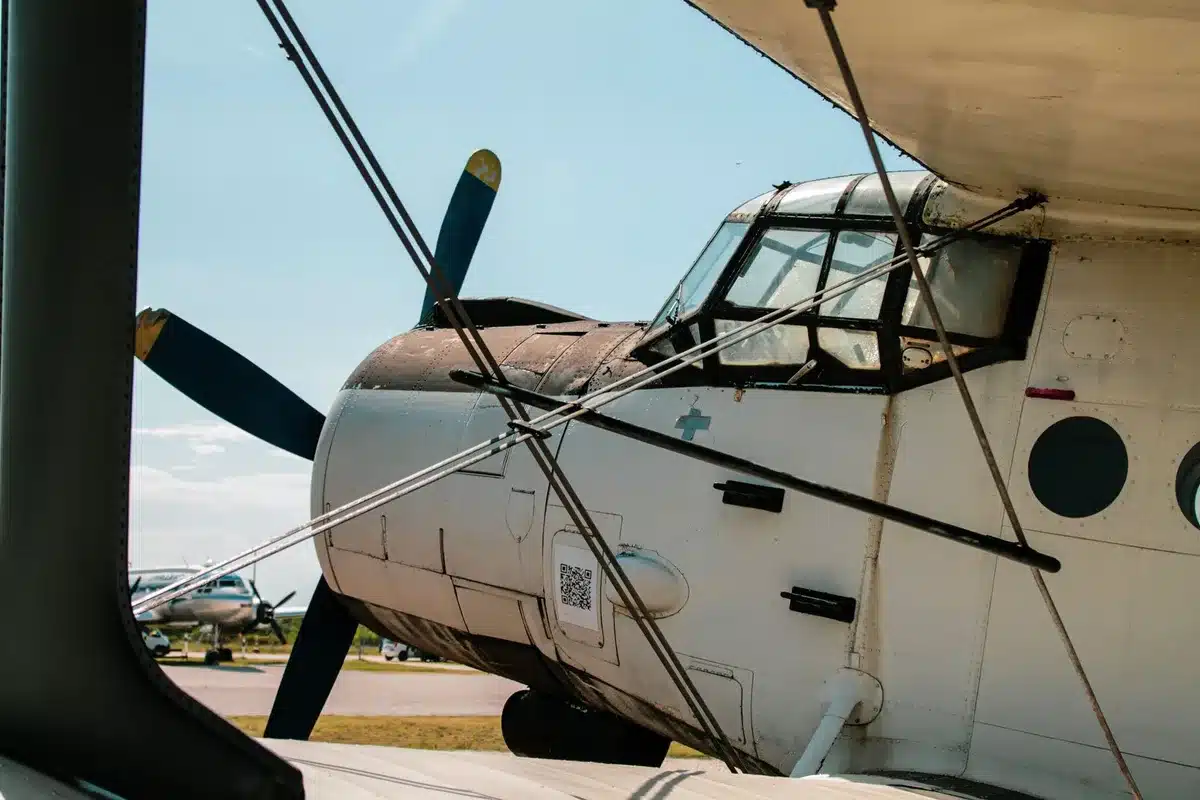
The bear strap is a critical structural element that reinforces areas around openings in the fuselage skin, such as doors and emergency exits. Over time, the stress of repeated takeoffs and landings can lead to fatigue cracking near these cutouts. The FAA stated that cracks in the fuselage skin and bear strap “may lead to the inability of the principal structural element to sustain limit loads and adversely affect the structural integrity of the airplane” if left undetected and uncorrected.
Airlines must conduct visual inspections of the fuselage skin and bear strap at the forward upper corner of the forward galley door cutout. The FAA estimates that the initial visual inspection will require approximately one work-hour per aircraft at a cost of roughly $85, bringing the total estimated cost to US operators to approximately $40,000 across the entire fleet. More thorough eddy current inspections—which detect subsurface cracks—could cost around $340 per aircraft if needed.
The directive applies to certain Boeing 737-8, 737-9, and 737-8200 models currently in service. Southwest and other major carriers operating 737 aircraft will be among those affected by the inspection requirement. Boeing said it has been working with airlines for several years after first identifying and notifying operators of the issue in 2019.
The FAA previously issued a similar directive for 737 NG aircraft in 2019 after cracks were discovered in the bear strap on those planes. Boeing said it supports both directives and continues to work through engineering changes to address the root cause of the cracking on in-production aircraft. The company stated that the inspections “will provide multiple opportunities to identify and correct problems before any cracks exceed critical length.”
The directive comes as Boeing faces heightened scrutiny over manufacturing and structural issues. A door plug blowout on a 737 Max mid-flight in January 2024 and subsequent production concerns have led major carriers like Ryanair to station engineers at Boeing’s US factories to oversee aircraft deliveries. The FAA’s latest action underscores the regulator’s commitment to proactive safety measures across the 737 Max fleet.
Sources
- Federal Aviation Administration — FAA Federal Register document (August 6, 2026) detailing the airworthiness directive, aircraft models affected, and inspection requirements
- The Guardian — reporting on the FAA directive, the bear strap component, the 2019 precedent on 737 NG aircraft, and Boeing’s statement
- AeroTime — details on inspection costs ($85 per aircraft for visual inspection, $340 for eddy current), timeline, and the directive’s scope
- CBS News — confirmation that no cracks have been found on 737 Max aircraft and the directive’s precautionary nature
- Aero Crew News — confirmation of the 471-aircraft scope and the September 10, 2026 effective date
- Aerospace Global News — additional cost and timeline details for inspections