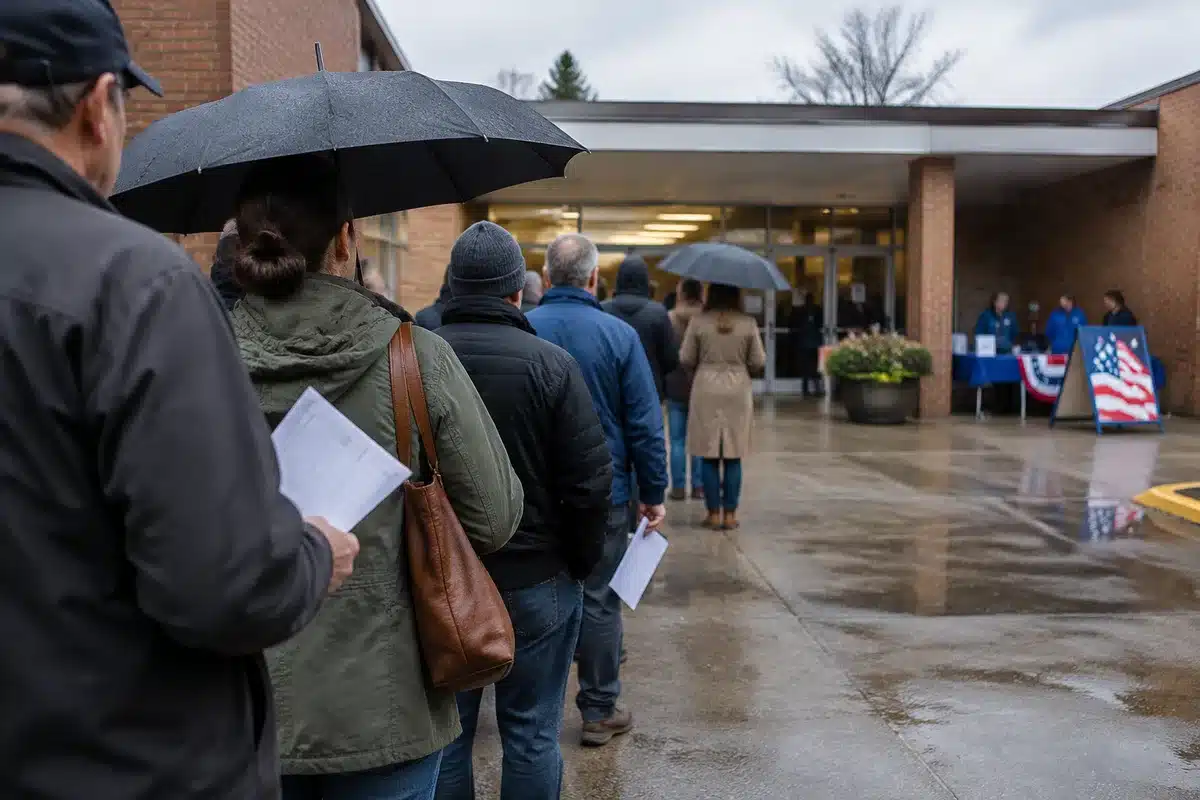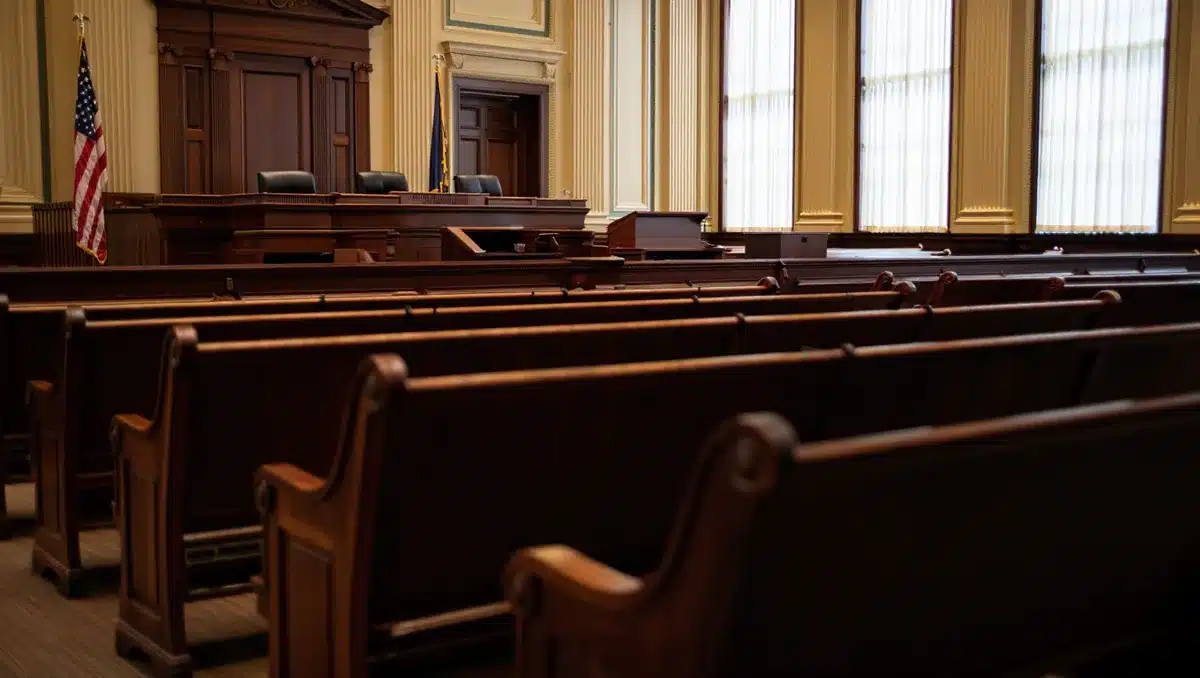
The Fifth Circuit Court of Appeals restored Texas mail-in voting identification requirements on Wednesday, overturning a lower court’s decision that had blocked the restrictions as violations of federal disability law. The 11-page ruling reversed a March 2025 decision by a federal district judge who struck down nine provisions of Senate Bill 1, a sweeping 2021 election law that tightened rules for voting by mail.
The restored provisions require Texas voters casting mail-in ballots to provide an identification number or Social Security number on their ballot applications and have that information match state records. The law also reinstates processes for curing defective ballots and requirements that voters and those assisting them sign oaths swearing they did not coerce the voter and disclose how they are related.
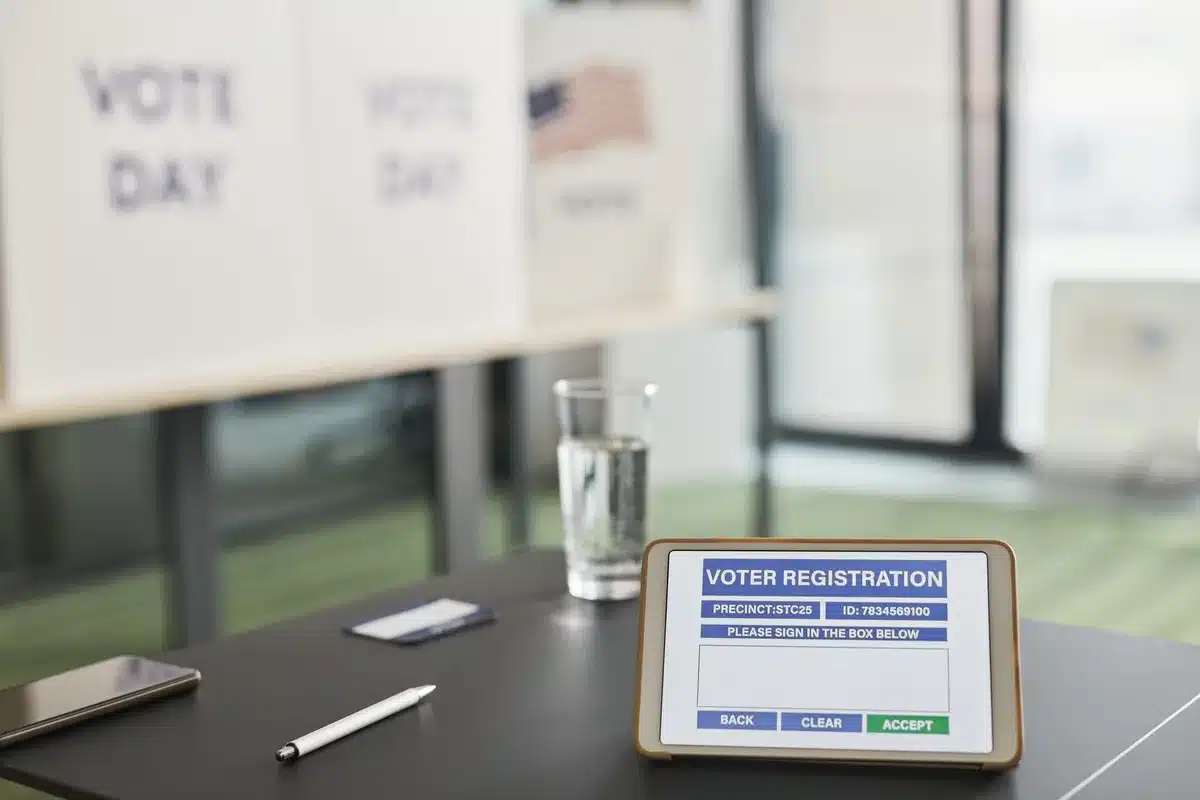
The lower court had found these provisions created excessive barriers for voters with disabilities, particularly those over 65 and those with certain conditions who rely on mail voting under Texas law. The district judge ruled the restrictions violated the Americans with Disabilities Act and Section 504 of the Rehabilitation Act.
The Fifth Circuit disagreed, finding that the plaintiffs challenging the law lacked standing on most of their complaints. Writing for the panel, Judge Andrew Oldham stated that the provisions do not justify “interference with the State Legislature’s efforts to prevent voter fraud and to protect election integrity.” The court noted that mail-in ballots have “long been established” as prone to fraud.
Data cited in the ruling showed that the rate of mail-in ballot application or ballot rejections due to identification number errors dropped from 11 percent to 2.7 percent after the law took effect. Texas Attorney General Ken Paxton, a defendant in the case, called the ruling a “major victory” in a social media post.

The case has been litigated for five years, with the Fifth Circuit reversing the district court on multiple occasions throughout the lawsuit. The underlying law emerged from Texas’s 2021 legislative session, when voter ID legislation became a focal point of election policy debates across states.
Voting rights organizations strongly opposed the ruling. The NAACP Legal Defense Fund stated that the decision would “make it harder for millions of Texans to vote in this November’s elections.” Victor Genecin, counsel at the Legal Defense Fund, said the court’s decision to reimpose barriers to the ballot is “a betrayal of millions of Texans” and noted that Black Texans are more likely than white Texans to have a disability, making them disproportionately affected. Over three million eligible Texas voters have a disability, according to data cited by voting rights groups.
Ari Savitzky, senior staff attorney with the ACLU’s Voting Rights Project, stated that “the voters proved their case in court, but sadly that did not matter to the Fifth Circuit here.” The Arc of the United States and The Arc of Texas, disability rights organizations that challenged the law, expressed disappointment, emphasizing that voters with disabilities should have equal access to the ballot without unnecessary hardship.
The ruling comes amid broader federal court battles over mail voting restrictions, with courts nationwide addressing competing claims about election security and voter access. A 2022 study found that one in seven voters in Texas’s primary had their applications or ballots rejected in the wake of Senate Bill 1’s passage, raising questions about the law’s practical impact on eligible voters.
Sources
- Texas Tribune — detailed reporting on the Fifth Circuit ruling, the district court’s March 2025 decision, and the law’s background and five-year litigation history
- NAACP Legal Defense Fund — statement from voting rights organizations opposing the ruling, including quotes from counsel and affected groups; data on disabled Texas voters
- U.S. News & World Report — Fifth Circuit ruling details and the district court’s reasoning
- Fox News — confirmation of the restored provisions and Attorney General Paxton’s statement