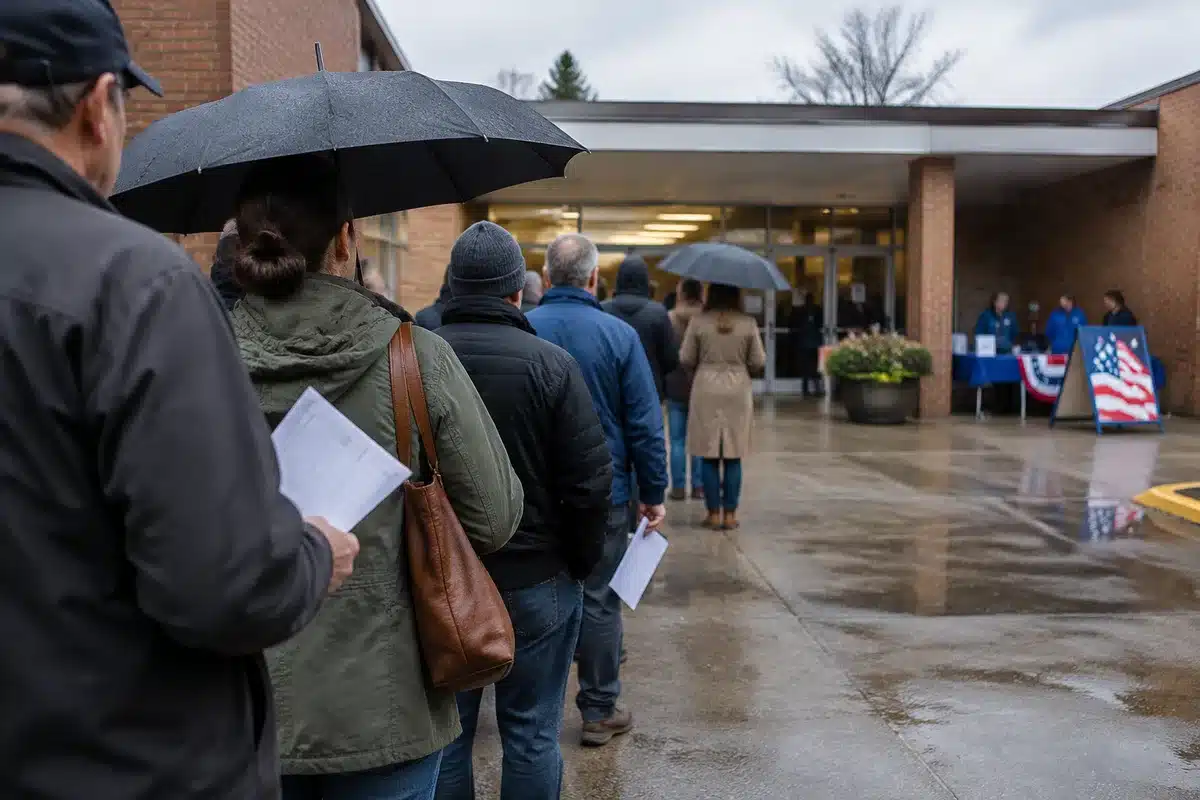
The House advanced a budget reconciliation framework in late July that includes $10 billion in federal election grants designed to incentivize states to adopt stricter voter identification requirements, marking the latest effort to reshape voting access across the country amid ongoing partisan debate over election security and voter eligibility.
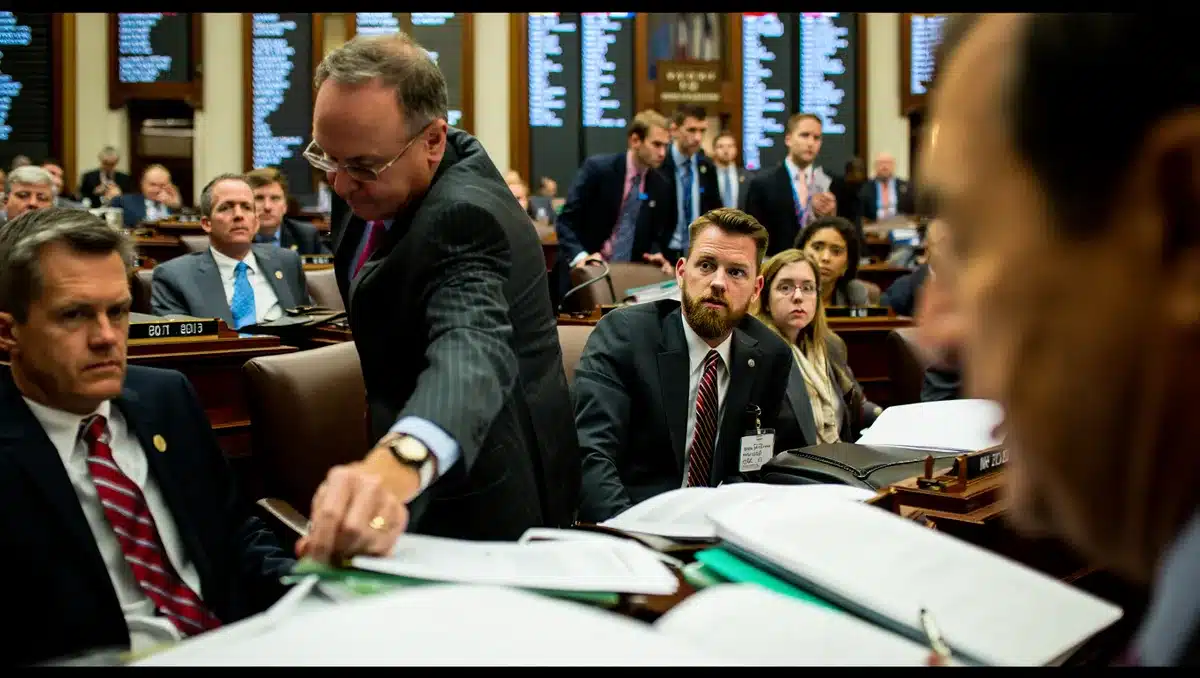
The House voted 216-214 on July 22 to approve the $95 billion budget resolution, which sets aside $10 billion over a decade for election-related grants to states that meet certain voter ID and citizenship verification standards. Unlike the full SAVE America Act, which the House passed in February 2026, this version takes an incentive-based approach: no state would be required to adopt the measures, but those that do would qualify for federal funding.
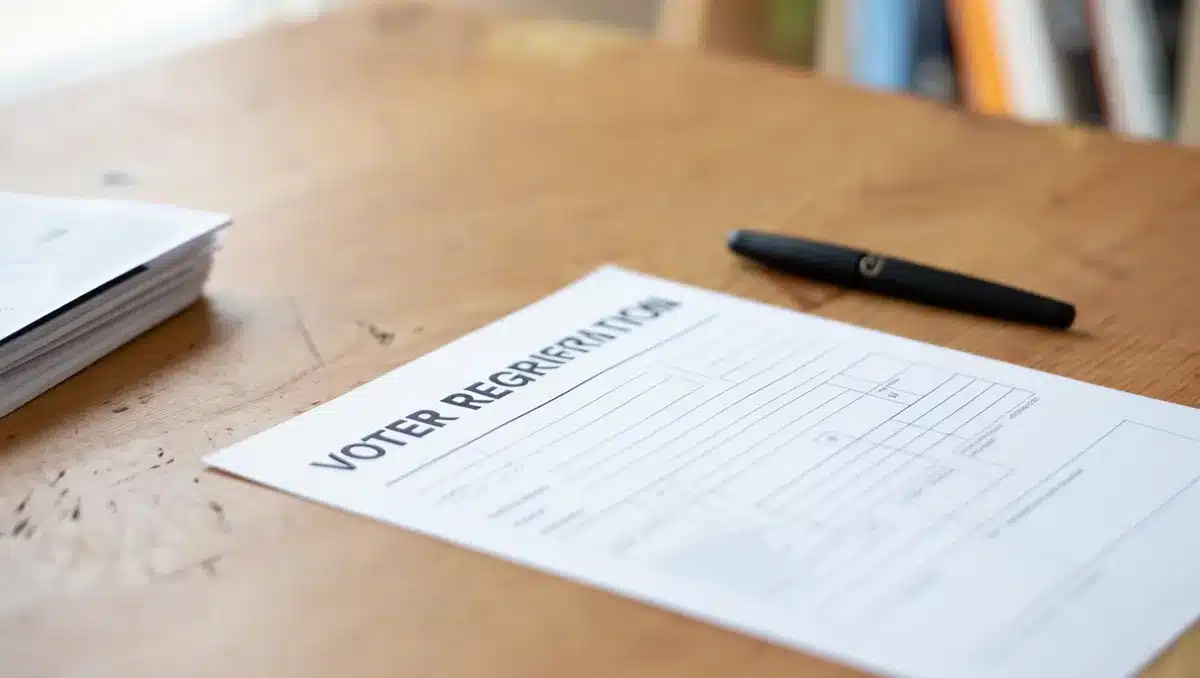
The Safeguard American Voter Eligibility (SAVE) Act, the Trump administration’s centerpiece election bill, requires voters to provide documentary proof of citizenship when registering and photo identification when casting ballots in federal elections. Republicans argue the legislation is necessary to secure elections and prevent fraud. Democrats contend it would disenfranchise millions of eligible voters who lack ready access to the required documents.
The $10 billion in grants represents nearly double all federal election funding Congress allocated since 2002 combined, according to the Bipartisan Policy Center. This scale reflects Republicans’ push to reshape voting requirements nationwide, even as the full SAVE America Act has failed repeatedly in the Senate. The Senate has voted at least five times on the legislation or major elements of it without success, including a truncated version focused solely on voter photo ID requirements that failed on August 8 with only 52 Republicans voting for it, far short of the 60 votes needed to overcome a Democratic filibuster.
Election experts have raised concerns about the SAVE America Act’s implementation. A Bipartisan Policy Center analysis found that approximately 12% of registered voters lack the types of documentation the bill would require, including valid U.S. passports or birth certificates paired with government-issued photo IDs. The bill’s photo ID requirements are also more restrictive than any state law currently in place—no state meets the standards it would impose, according to research by the Institute for Responsive Government. Currently, 36 states require or request that voters show some form of identification at the polls, but most accept a broader range of ID types than the federal bill would allow.
The incentive-based approach through budget reconciliation represents a strategic shift after the full SAVE America Act stalled in the Senate. Senate Majority Leader John Thune and President Trump reached a deal on August 8 to defer action on much of the SAVE America Act until after the August recess, with Senate Republicans acknowledging they lack the votes to pass the broader legislation anytime soon. Some Republicans have pushed to skip the recess to force passage, but that effort has not gained sufficient support within the GOP conference.
The debate over federal voter ID requirements reflects a broader partisan divide on election administration. Supporters argue that documentary proof of citizenship and photo ID requirements enhance election integrity and prevent noncitizen voting. Critics point to evidence that noncitizen registration and voting are rare—Utah’s comprehensive citizenship review of more than 2 million registered voters identified only 27 confirmed instances of noncitizen registration, and federal data shows just 0.04% of voter verification cases are returned as noncitizens. Opponents also note that Kansas, which implemented a documentary proof of citizenship requirement, prevented roughly 31,000 eligible citizens from registering to vote while catching very few noncitizens.
The House also passed a separate bill on July 22 that combined congressional stock-trading restrictions with a voter photo ID provision, a move Democrats characterized as using popular ethics reform to advance voting restrictions. That measure passed 232-198, with 13 Democrats joining Republicans.
Sources
- Democracy Docket — reported the House’s 216-214 vote on the budget resolution including $10 billion in election grants, and the Senate’s failed vote on a voter photo ID bill on August 8, 2026
- The Hill — detailed the August 8 deal between Thune, Trump, and Senate conservatives to defer the SAVE America Act until after the August recess
- Bipartisan Policy Center — provided analysis that 12% of registered voters lack required documentation, that no state meets the SAVE America Act’s photo ID requirements, and that the $10 billion represents nearly double all federal election funding since 2002 combined
- Institute for Responsive Government — confirmed that not a single state meets the ID requirements of the SAVE America Act