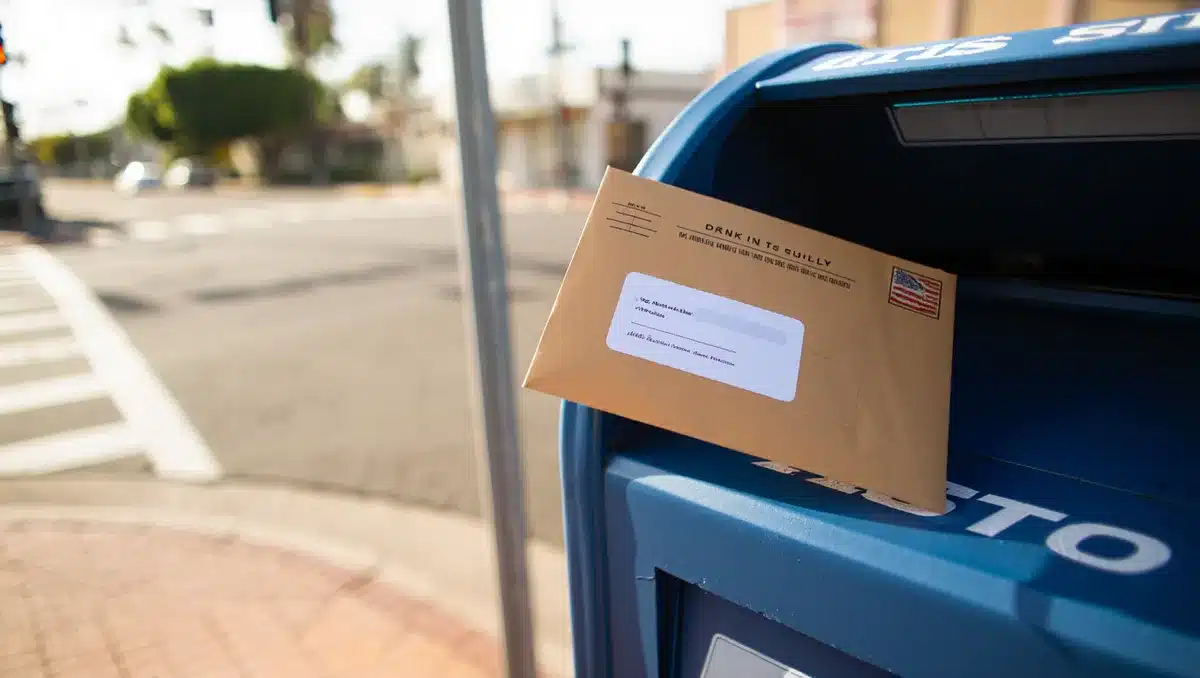
A federal judge in Boston blocked President Trump’s mail voting executive order nationwide on Tuesday, expanding an earlier court order that had halted the measure in 23 states and the District of Columbia. U.S. District Judge Indira Talwani ruled that the Trump administration cannot enforce the key provisions of the March 31, 2026 executive order, which sought to give the U.S. Postal Service authority to refuse delivery of mail-in ballots to voters whose names did not appear on federally approved lists.
The executive order directed the Department of Homeland Security and Social Security Administration to create a nationwide database of verified U.S. citizens over 18, and instructed USPS to deliver mail ballots only to voters on state-provided lists approved by the federal government. Talwani concluded in her June ruling that “no law enacted by Congress delegates authority to control mail-in voting to USPS,” and the president lacked constitutional power to regulate state elections in this manner.
Talwani had previously issued a partial injunction in June after voting rights groups and Democratic-led states challenged the order. Tuesday’s nationwide block came after the Trump administration requested she pause her earlier ruling, which she denied. The expansion means the executive order remains blocked across the entire country ahead of November’s midterm elections that will decide control of Congress.
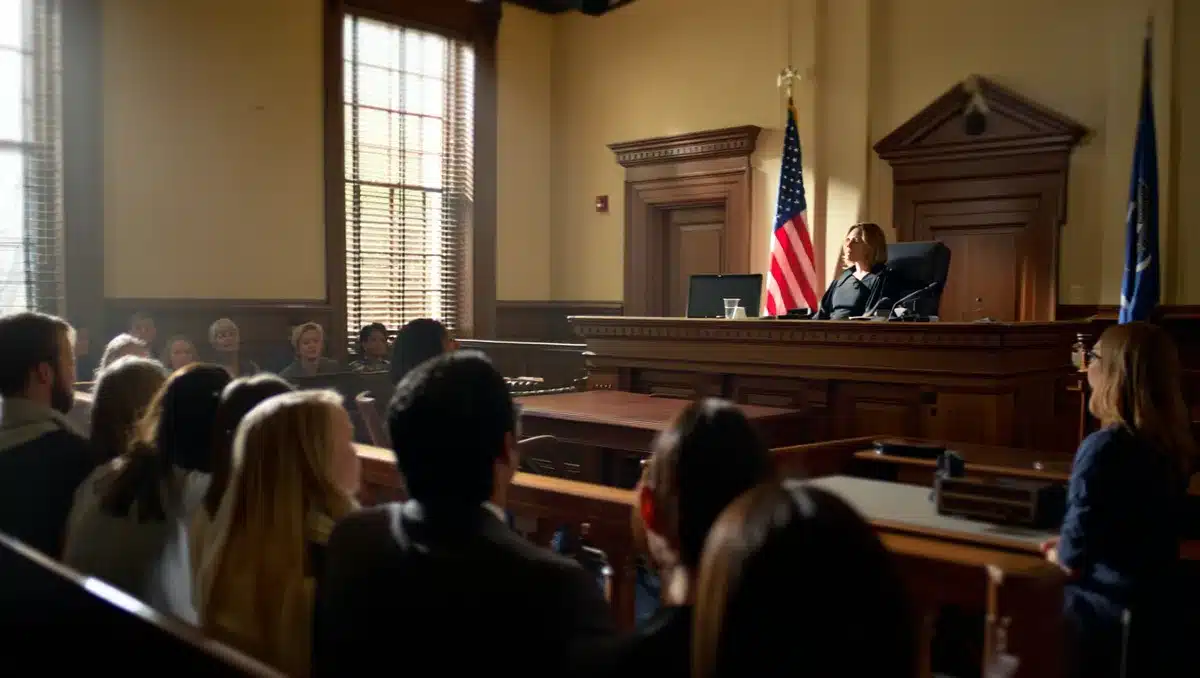
The constitutional question at the heart of the case has been central to multiple courts’ rejection of Trump’s election directives. In her June decision, Talwani emphasized that the Constitution leaves election administration to Congress and the states, not the president. “The Constitution does not grant the President any specific powers over elections,” she wrote, according to court documents reviewed by voting rights organizations. The ruling found that disenfranchisement of eligible voters was “plausibly likely and imminent” if the order were allowed to proceed.
The Trump administration has argued the executive order was necessary to prevent noncitizen voting, claiming it enforces existing federal law. However, Trump has asked the Supreme Court to overturn the block, filing an emergency appeal in early August seeking to allow implementation of the restrictions before the midterms. The administration has signaled it will continue fighting the ruling in appellate courts.
This is the second Trump election executive order to face major judicial setbacks. A similar order issued in March 2025 sought to require proof of citizenship for voter registration and restrict mail-in ballots after Election Day. Federal courts have blocked substantial portions of that earlier order as well. The Justice Department has suffered a losing streak in federal courts over voter registration litigation, with judges consistently finding the administration’s election restrictions exceed presidential authority.

Voting rights advocates hailed Tuesday’s ruling as protecting access to mail voting for millions of Americans, particularly seniors and voters with disabilities who rely on mail ballots. Democratic secretaries of state who brought the case have argued the executive order would have created chaos in state election systems by imposing federal control over procedures states have administered for decades. The ruling keeps in place existing state mail voting procedures for the 2026 midterms without federal interference.
Sources
- Reuters — reporting on Judge Talwani’s nationwide block of Trump’s mail voting order on August 11, 2026
- Bloomberg — coverage of the federal judge’s nationwide order expanding the earlier halt
- Votebeat — detailed reporting on Judge Talwani’s June ruling finding the executive order unconstitutional and lacking presidential authority
- ACLU — press releases documenting the judge’s findings of likely voter disenfranchisement and the constitutional issues