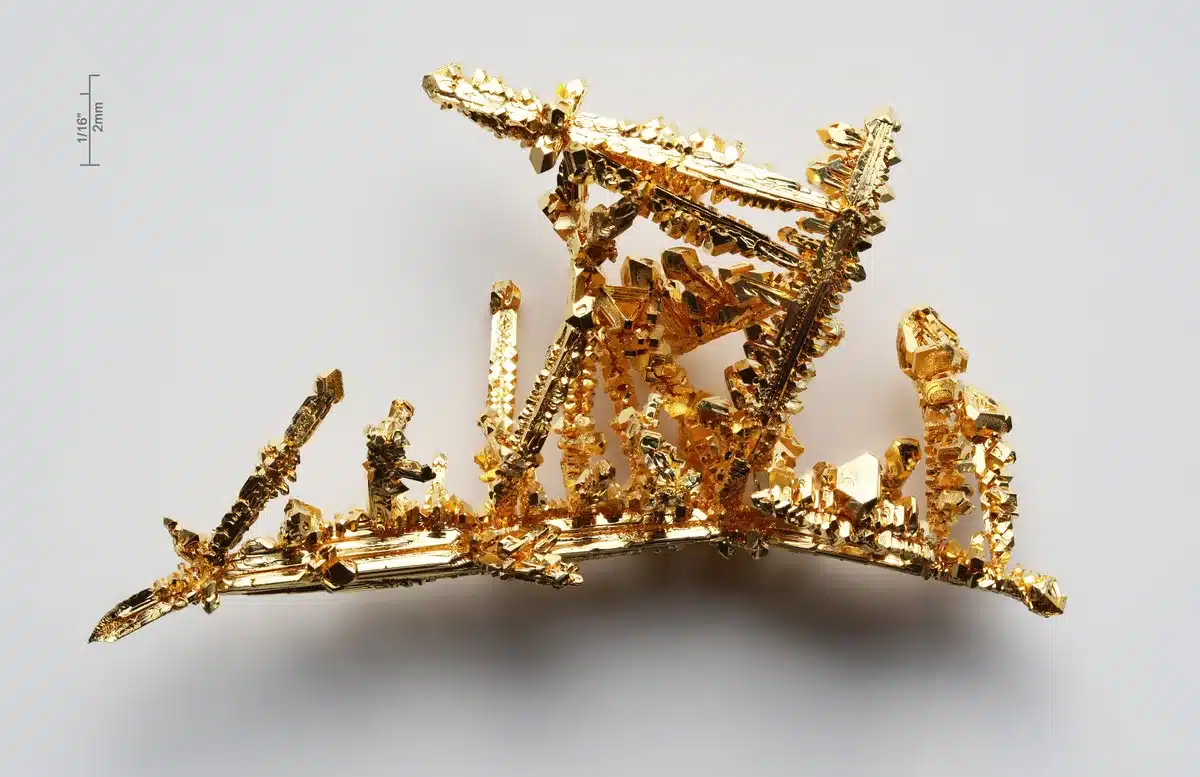
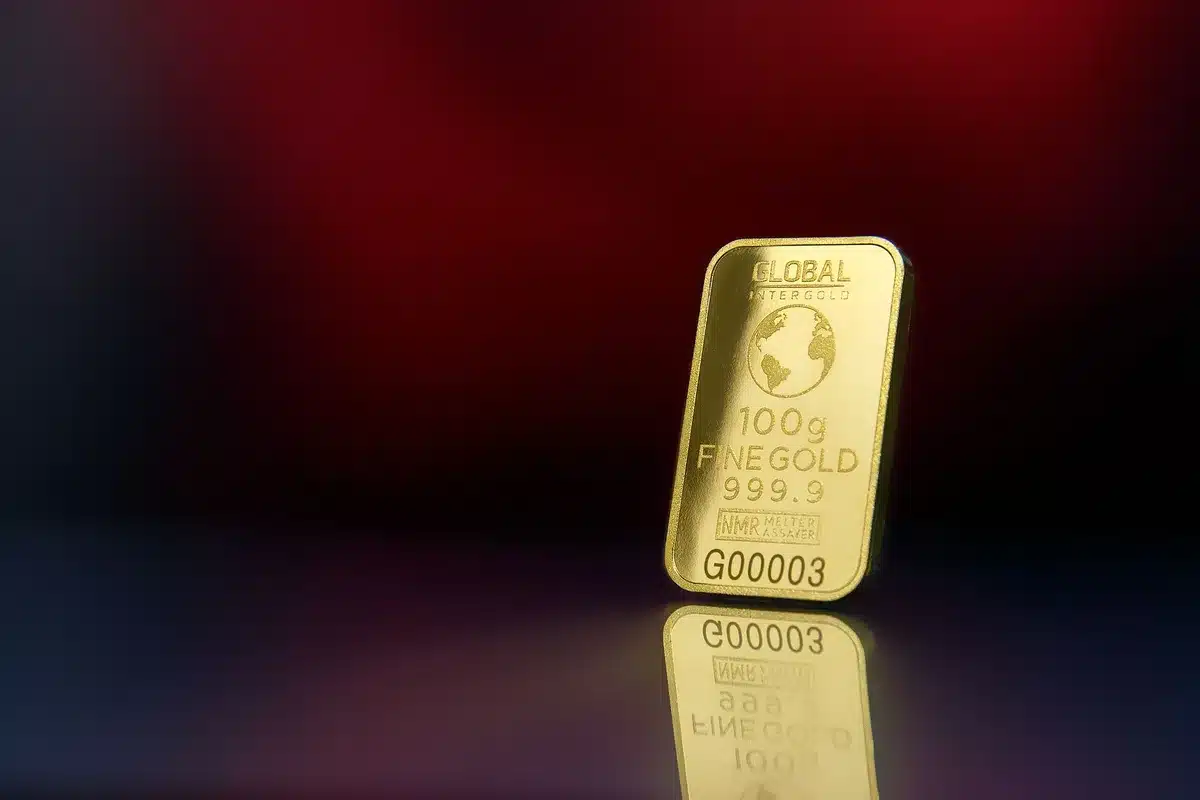
Gold climbed to $4,322 per ounce on August 7, 2026, as investors sought safe-haven protection amid tensions in the Strait of Hormuz, even as rate-hike fears continued to weigh on the precious metal’s longer-term outlook.
The rise reflects gold’s conflicted position in 2026: geopolitical risk is pushing investors toward the traditional safe haven, while the same risk is also fueling oil-price spikes that threaten to reignite inflation and trigger Federal Reserve rate hikes — a scenario that typically pressures gold lower.
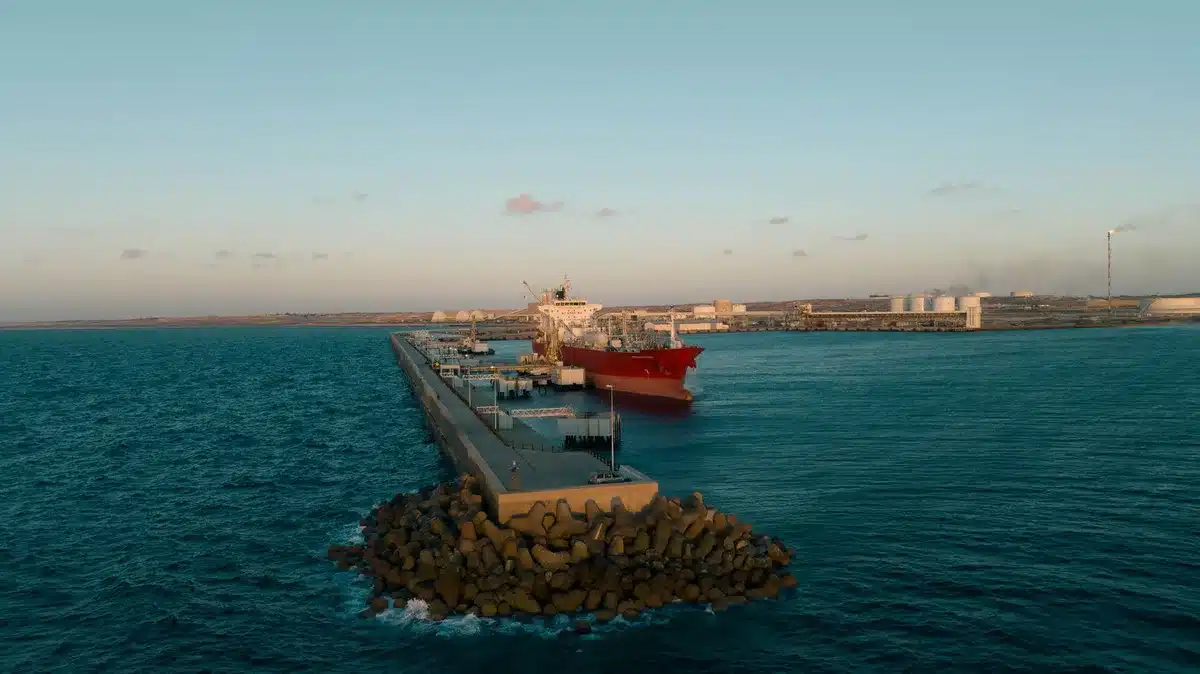
The Strait of Hormuz, which carries roughly a fifth of the world’s oil, has been at the center of market anxiety for months. When tensions there escalate, crude prices surge, raising the cost of energy across the global economy and feeding inflation concerns.
According to market analysis, a $10 increase in crude-oil prices is estimated to raise consumer-price inflation by 0.2 to 0.3 percent. When oil rises, markets price in a higher probability of Fed rate hikes to combat the inflation surge, and higher rates typically reduce gold’s appeal because the metal pays no interest.
This dynamic has plagued gold throughout 2026. Earlier in the year, when the Strait of Hormuz crisis first erupted, gold initially surged as a safe haven but then fell below $4,000 as rate-hike expectations overwhelmed the geopolitical premium. By mid-July, gold had recovered toward $4,300 as diplomatic hopes eased some inflation fears, but the metal remains caught between competing forces.
Today’s move reflects a modest tilt toward safe-haven demand. According to recent market commentary, oil prices rose in Friday trading as concerns grew over plans to reopen the Strait of Hormuz, and that uncertainty boosted gold alongside crude. Yet analysts caution that gold’s traditional safe-haven role has been compromised in 2026 by the inflation-rate-hike trade-off.
The Strait of Hormuz deal possible ‘today or tomorrow,’ US officials say, according to recent reporting, which suggests that any breakthrough could ease oil prices and reduce the rate-hike risk that has been capping gold’s upside. Conversely, a failure to reach a deal could push oil and inflation expectations higher, creating a scenario where rate-hike fears once again overwhelm safe-haven demand.
For now, gold’s climb to $4,322 signals that investors are balancing both risks — seeking protection from geopolitical uncertainty while bracing for the inflation and rate consequences that uncertainty may bring.
Sources
- Trading Economics — gold price at $4,320.40 on August 7, 2026, up 1.90% from the previous day
- Bullion Trading Center — oil prices rose Friday amid Hormuz uncertainty; safe-haven demand supported gold
- Reuters / MarketWatch — oil-price inflation pass-through and Fed rate-hike mechanism; a $10 oil increase raises inflation by 0.2–0.3%
- Crux Investor — gold fell below $4,000 as higher Fed rate expectations outweighed Iran-driven safe-haven demand
- CNBC — gold hit highest level since June on weak payrolls data and Hormuz deal hopes
- Yahoo Finance / Gold Forecast Analysis — gold’s conflicted position in 2026: safe-haven demand vs. rate-hike pressure