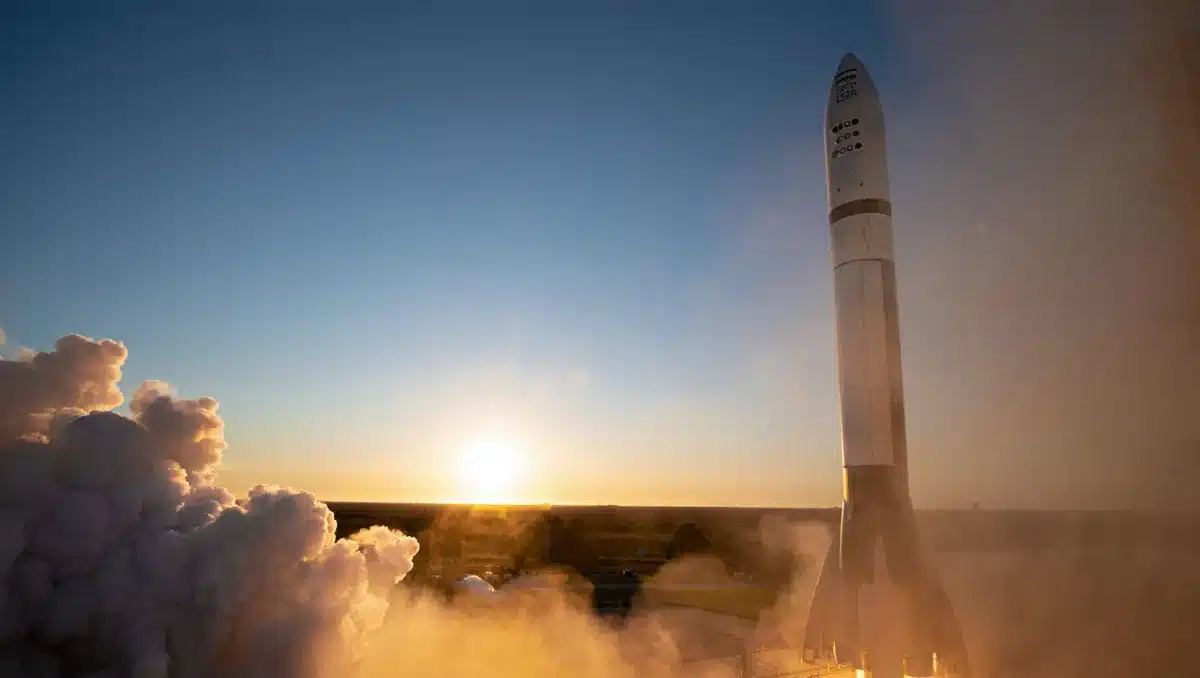
SpaceX launched Starship Flight 13 on July 24, 2026, at 5:51 p.m. CT from Starbase in Texas, successfully deploying 20 operational Starlink V3 satellites in orbit for the first time. The 407-foot-tall super-rocket completed multiple test objectives during the mission, including a soft splashdown of its upper stage in the Indian Ocean.
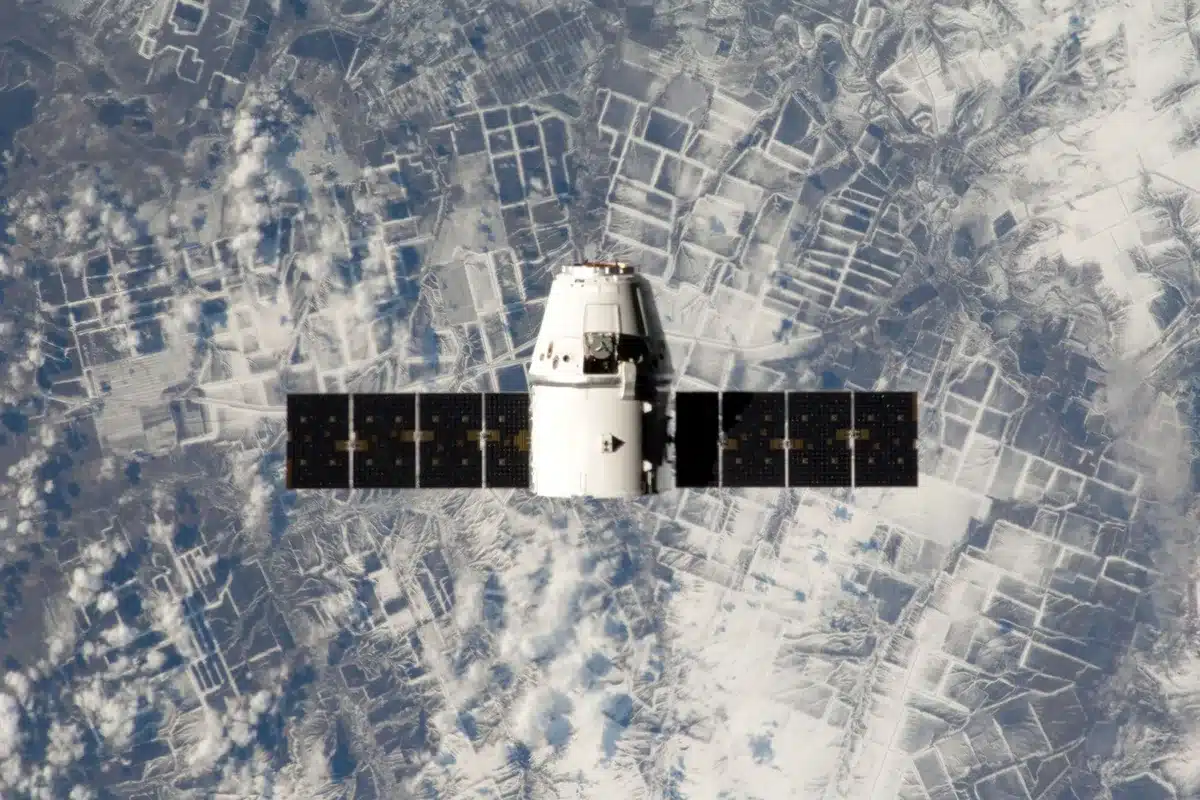
The Starship upper stage, called Ship, deployed the next-generation satellites from a system SpaceX engineers nicknamed the “Pez Dispenser.” After ejection, SpaceX’s team established radio and laser contact with all 20 satellites within minutes. “Not only were we able to make contact with all 20, but we also made comms over lasers with all of them as well,” SpaceX engineer Kate Tice said during the mission broadcast.

Starlink V3 satellites represent a major leap in capability. Each satellite is designed to download data at speeds of up to 1 terabit per second, roughly a tenfold improvement over the V2 satellites that currently dominate the Starlink constellation. The enhanced capacity will expand the network’s ability to deliver direct-to-device internet service globally.
After the 20-minute deployment and testing window, all satellites re-entered the atmosphere and burned up as planned—the test was designed to validate the deployment systems and satellite functionality before SpaceX begins launching full operational constellations. The upper stage then executed a relight of one of its six Raptor engines in mid-flight, another key objective for the mission.
Ship descended through the atmosphere at hypersonic speeds, with its heat shield enduring plasma temperatures during reentry. The upper stage achieved what SpaceX called the “softest splashdown” in the Indian Ocean, settling intact in the water. As of late July, SpaceX announced plans to recover the vehicle from the ocean for data analysis and potential refurbishment.
The Super Heavy booster, which had separated earlier in the flight, experienced a setback during its landing sequence. Only 10 of 13 planned engines restarted for the final landing burn, resulting in a splashdown in the Gulf of Mexico rather than a controlled catch or soft landing. Despite the partial engine issue, the booster completed its primary ascent objectives safely.
Flight 13 came after a week-long delay. SpaceX had initially attempted to launch on July 16 but aborted at ignition when four Raptor engines failed to start. Engineers identified and replaced six booster engines before the successful July 24 launch. The mission also marked the second test flight of Starship’s upgraded V3 configuration, following a successful May 2026 test that had validated the new rocket design.
The successful deployment of V3 satellites clears the path for SpaceX to begin scaling up production and launching full operational batches. The company has stated it aims to add enough V3 satellites to the constellation to deliver 60 terabits per second of additional network capacity, substantially increasing Starlink’s global coverage and performance. SpaceX’s first Starlink V3 deployment represents a critical validation step toward that goal, demonstrating that the new satellites can function reliably in orbit and integrate seamlessly with the existing network via laser links.
Sources
- SpaceX — official mission timeline and flight test data for Starship Flight 13
- Universe Today — deployment details, satellite specifications, engineer commentary, and mission outcomes
- Ars Technica — booster landing sequence details and post-flight analysis
- Reuters — network capacity goals and V3 deployment significance
- SatNews — Starlink V3 technical specifications and downlink capacity