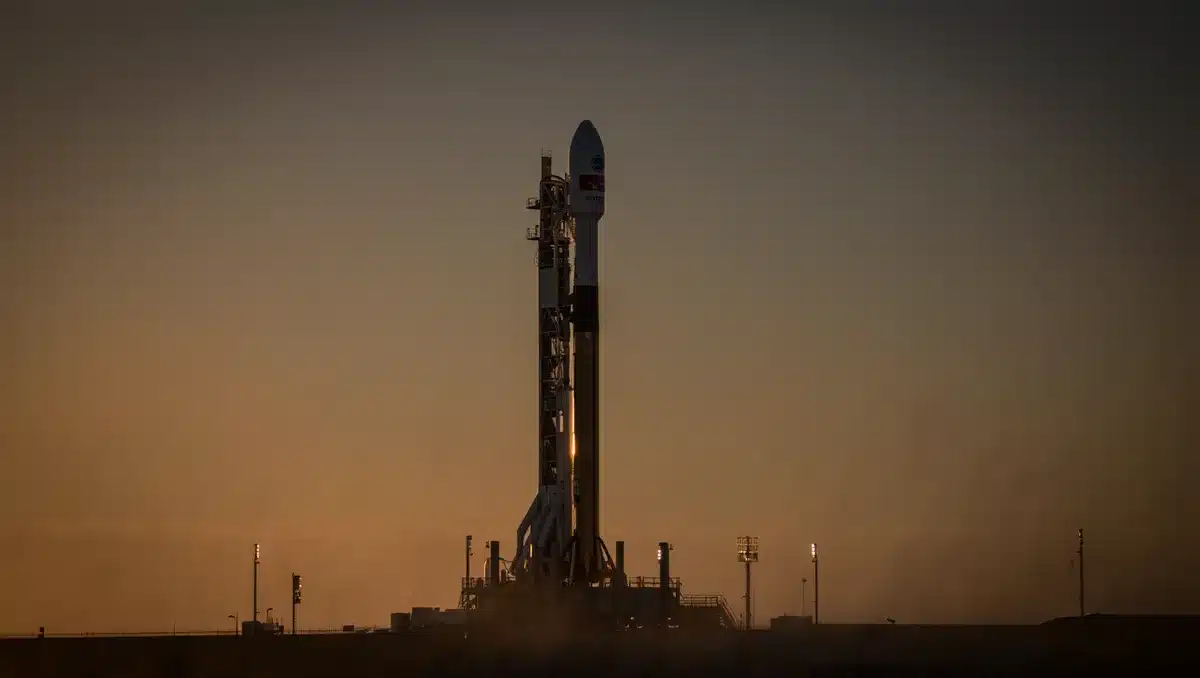
SpaceX is set to launch 24 Starlink satellites from Vandenberg Space Force Base in California tonight, continuing its rapid cadence of broadband constellation deployments in 2026.
The Starlink 17-52 mission targets liftoff at 8:08 p.m. PDT (11:08 p.m. EDT) from Space Launch Complex 4 East, with a four-hour launch window extending to 11:00 p.m. PT, according to Spaceflight Now. The mission will add another batch of Starlink V2 Mini Optimized satellites to low Earth orbit, each carrying four times the communications capacity of earlier Starlink generations.
This launch marks SpaceX’s 90th orbital mission of 2026 and the 69th Starlink batch deployed so far this year. The mission was originally scheduled for July 27 but was delayed, though SpaceX did not disclose the reason, as is typical for the company.
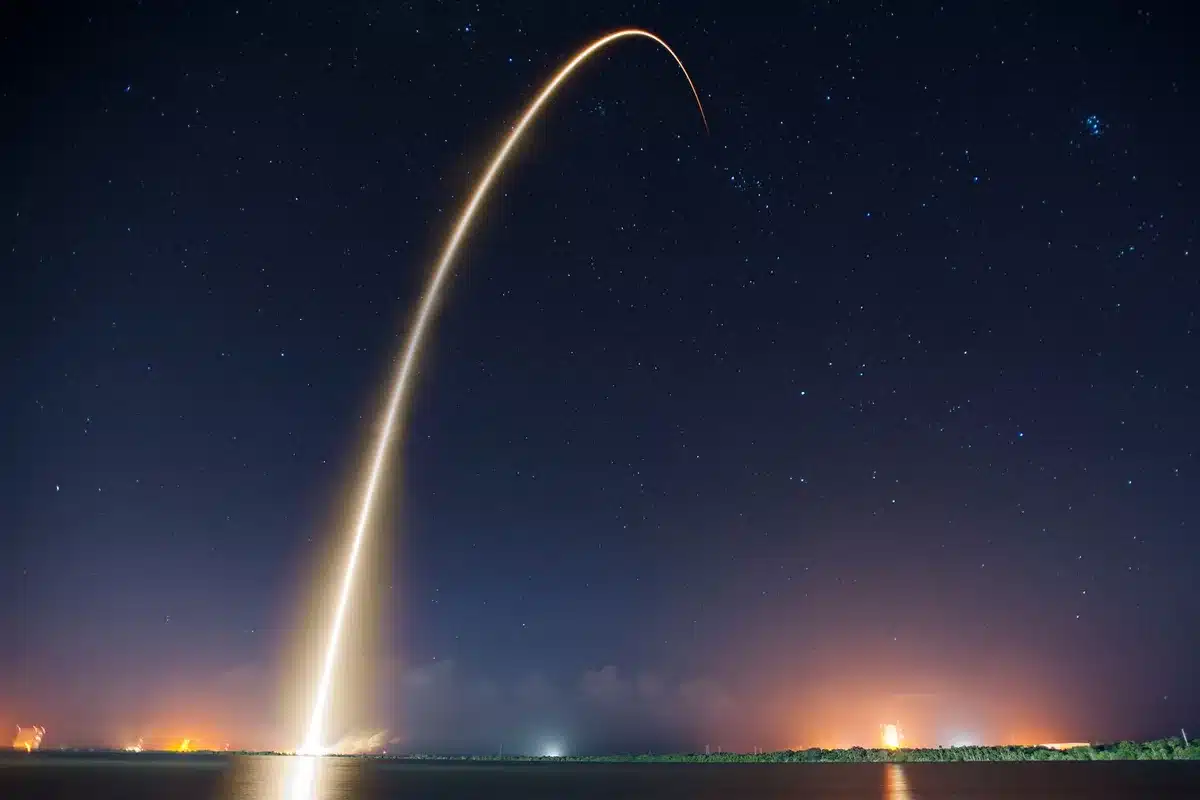
The Falcon 9 first stage B1081 will be flying for the 26th time, having previously launched 15 batches of Starlink satellites as well as multiple missions for NASA and other government customers, including the Crew-7 mission in August 2023 and the PACE Earth observation satellite in February 2024. About eight minutes after liftoff, the booster will attempt a powered landing on the droneship “Of Course I Still Love You,” positioned in the Pacific Ocean. If successful, this will be the 214th landing on that vessel and the 643rd orbital booster landing to date for SpaceX.
The Starlink constellation has grown to more than 10,800 active satellites as of late July 2026, providing global broadband coverage. The network continues to expand with regular Falcon 9 deployments from both Vandenberg on the West Coast and Cape Canaveral in Florida. Frontier Airlines plans to offer Starlink WiFi to passengers starting early 2027, marking one of the first major airline partnerships for the service.
SpaceX is also advancing its next-generation Starlink architecture. The company has begun deploying Starlink V3 satellites on Starship Flight 13, which represent a significant leap in capability and capacity compared to the V2 Mini variants launching tonight. V3 satellites are designed to offer vastly superior bandwidth and are expected to launch aboard Starship in larger numbers once that vehicle reaches full operational capability.
Sources
- Spaceflight Now — launch schedule, booster history, mission details, and constellation size
- Space.com — Starlink constellation statistics and V2 Mini satellite specifications
- Vandenberg Space Force Base — U.S. Space Force launch approval and mission window