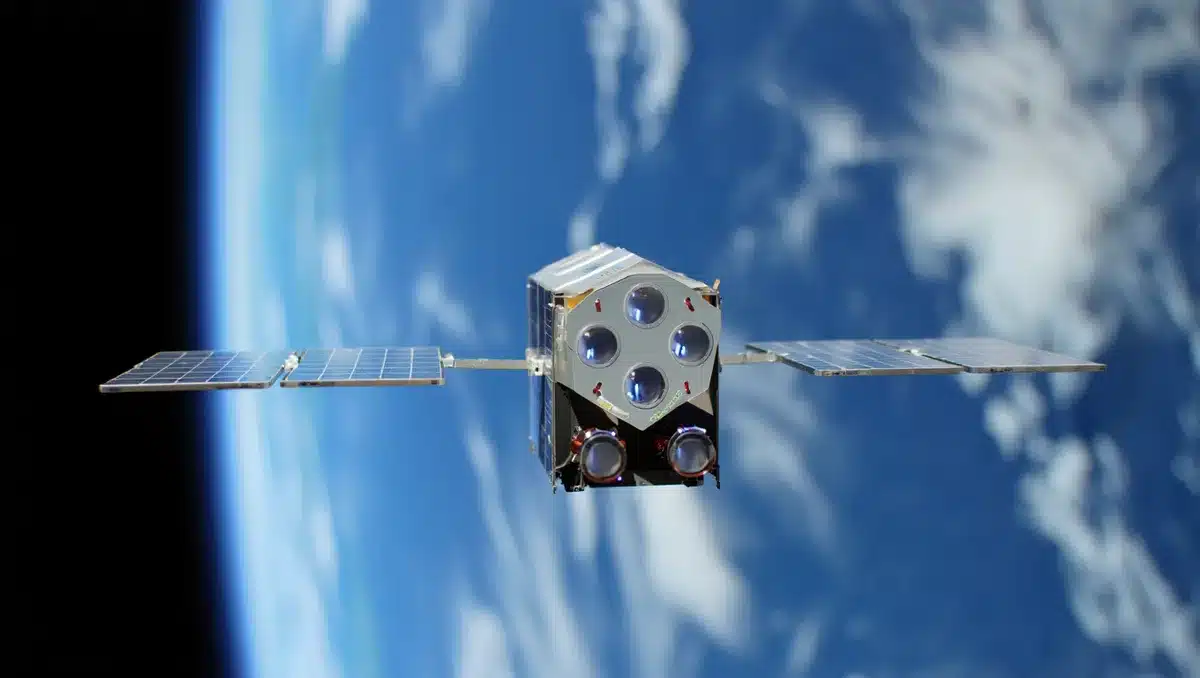
SpaceX deployed its first 20 operational Starlink V3 satellites on Starship Flight 13, marking a watershed moment for the company’s next-generation broadband constellation. The flight launched from Starbase near Boca Chica, Texas, on July 24, 2026, and successfully completed its primary mission of delivering the new satellites to orbit before executing a controlled splashdown in the Indian Ocean.
The V3 satellites represent a dramatic leap in capability over their predecessors. Each satellite is designed to support 1 terabit per second of downlink capacity and 160 gigabits per second of uplink capacity—roughly a 10-fold and 22-fold improvement over V2 Mini satellites, according to Starlink’s official specifications. The 20 satellites deployed on Flight 13 carry six high-capacity 400-gigabit space lasers each, enabling high-bandwidth traffic to move seamlessly across the constellation.

This deployment was the culmination of months of preparation and one previous launch abort. SpaceX had initially targeted July 16 for Flight 13, but a post-ignition anomaly forced a scrub on that date. The company conducted engine work and rescheduled the launch, ultimately succeeding on the second attempt eight days later.
The significance of this deployment extends beyond raw specifications. Starship’s much larger payload capacity—roughly 40 tons for this mission—allows SpaceX to carry more satellites per launch than traditional Falcon 9 rockets. Each V3 launch on Starship is planned to add 60 terabits per second of capacity to the Starlink network, more than 20 times the capacity added by a single Falcon 9 Starlink mission, according to industry analyses. This payload advantage is central to SpaceX’s strategy to expand global broadband coverage and network capacity.
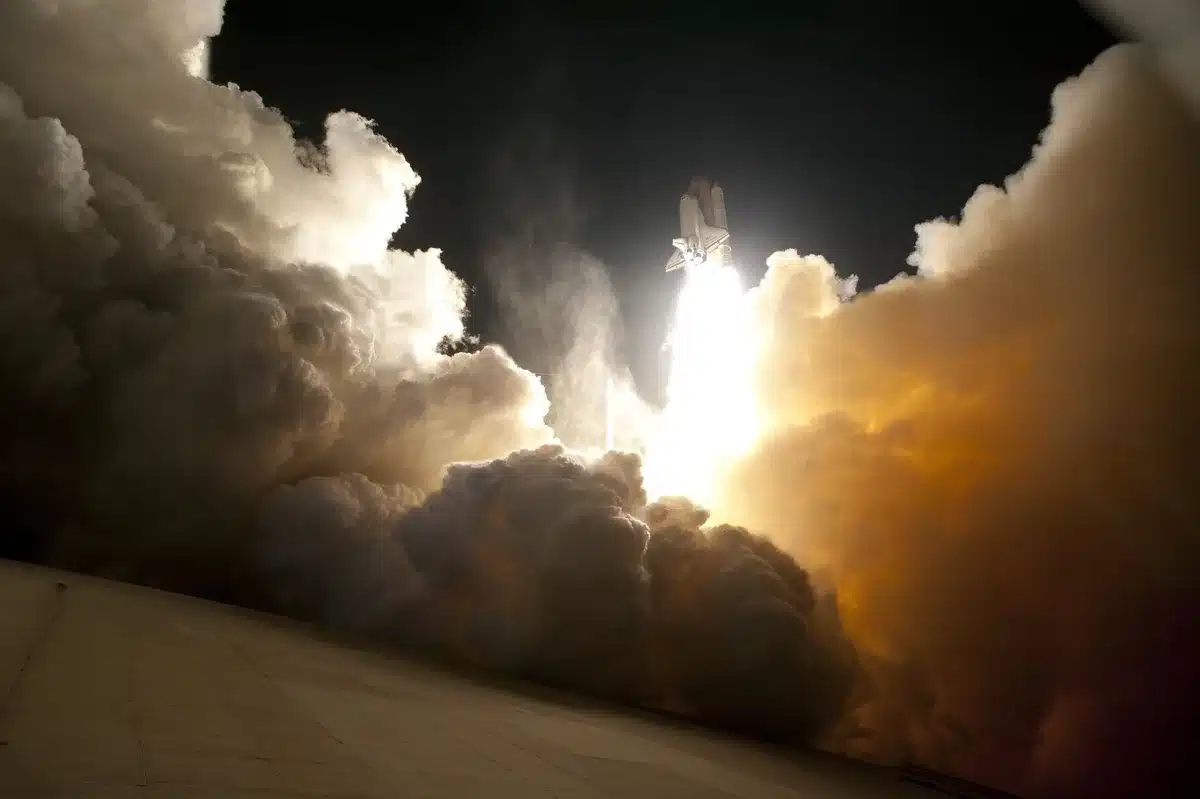
The successful deployment from Starship marks a transition point for the constellation. Previous Starship test flights carried mass simulators or non-functional prototypes; Flight 13 was the first to carry working satellites to space. SpaceX engineers were able to successfully communicate with every satellite after deployment, confirming the health and functionality of the new generation hardware.
The V3 generation is designed to enable gigabit-speed internet connectivity to users for the first time, representing a significant upgrade in service quality. With six space lasers per satellite and the increased throughput, the new constellation promises to support higher user densities and faster speeds in both remote and developed markets. As SpaceX continues to deploy additional V3 satellites on future Starship flights, the network’s capacity and coverage are expected to expand substantially over the coming years.
Sources
- SpaceX — Official confirmation of Starship Flight 13 deployment of 20 Starlink V3 satellites and splashdown
- Space.com — Details on V3 satellite specifications and Flight 13 launch timeline
- Interesting Engineering — Coverage of Flight 13 deployment and splashdown performance
- Starlink official specifications — V3 satellite downlink and uplink capacity figures (1 Tbps and 160 Gbps)
- KeepTrack.space — Confirmation of first V3 satellite deployment and network capacity implications
- Spaceflight Now — Initial launch attempt details and abort information