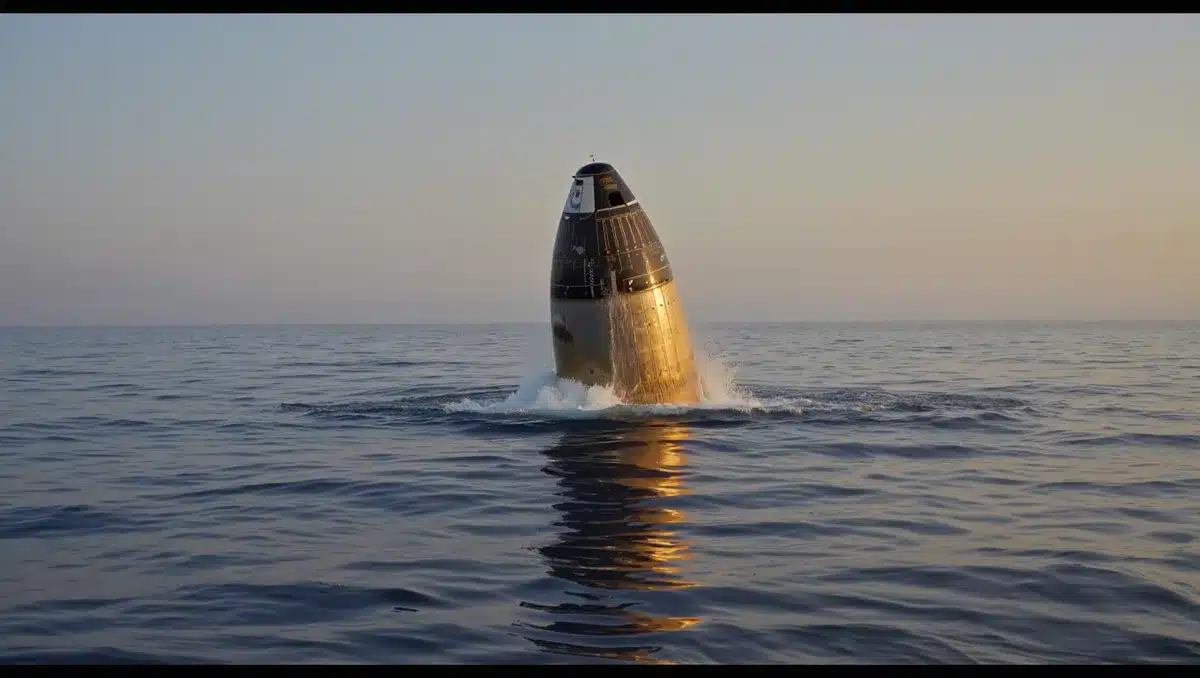
SpaceX’s Starship Flight 13 completed its test mission on July 24, achieving controlled splashdowns of both stages in separate oceans after deploying 20 Starlink V3 satellites and successfully executing key in-space maneuvers.
The Super Heavy booster lifted off from Starbase in Texas with all 33 Raptor engines firing, generating 18 million pounds of thrust. After stage separation about two minutes into the flight, the booster performed a boostback burn using 13 of its engines and made a controlled splashdown in the Gulf of Mexico, though SpaceX noted the landing velocity was slightly higher than ideal.
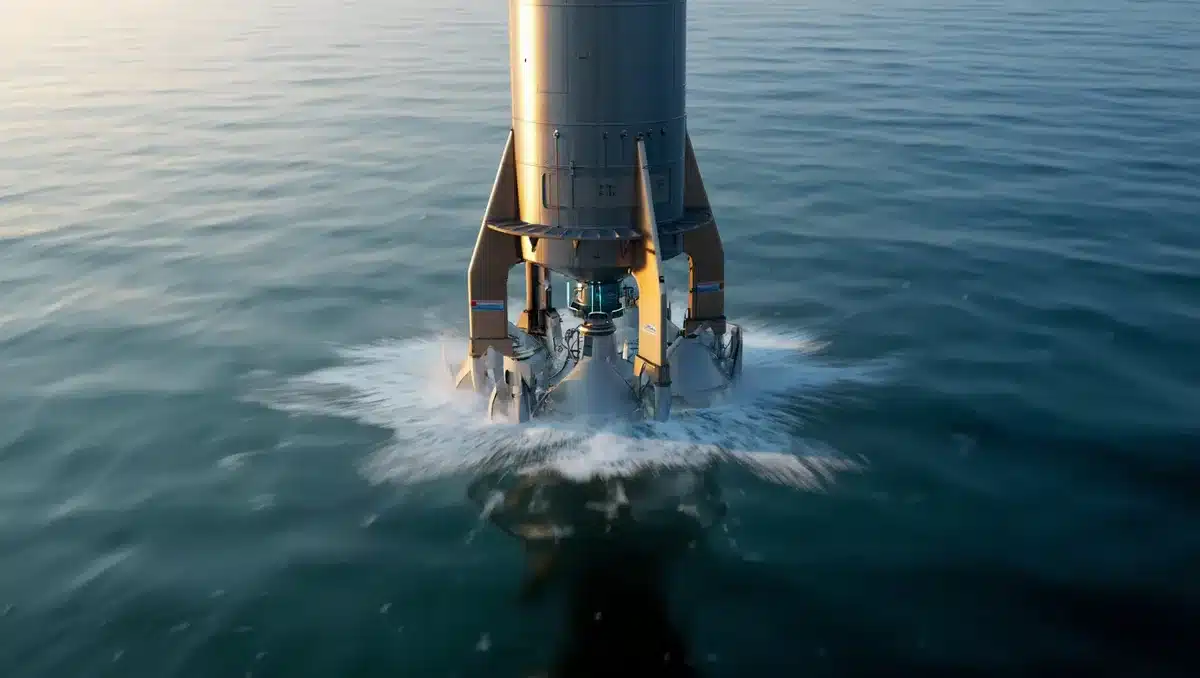
The Starship upper stage (Ship 40) pushed onward, deploying all 20 Starlink V3 satellites as planned. Six of the satellites carried cameras to image Starship’s heat shield during the mission. The upper stage then successfully reignited one of its six engines in the vacuum of space—a capability the V3 prototype failed to demonstrate during its previous test flight in May.
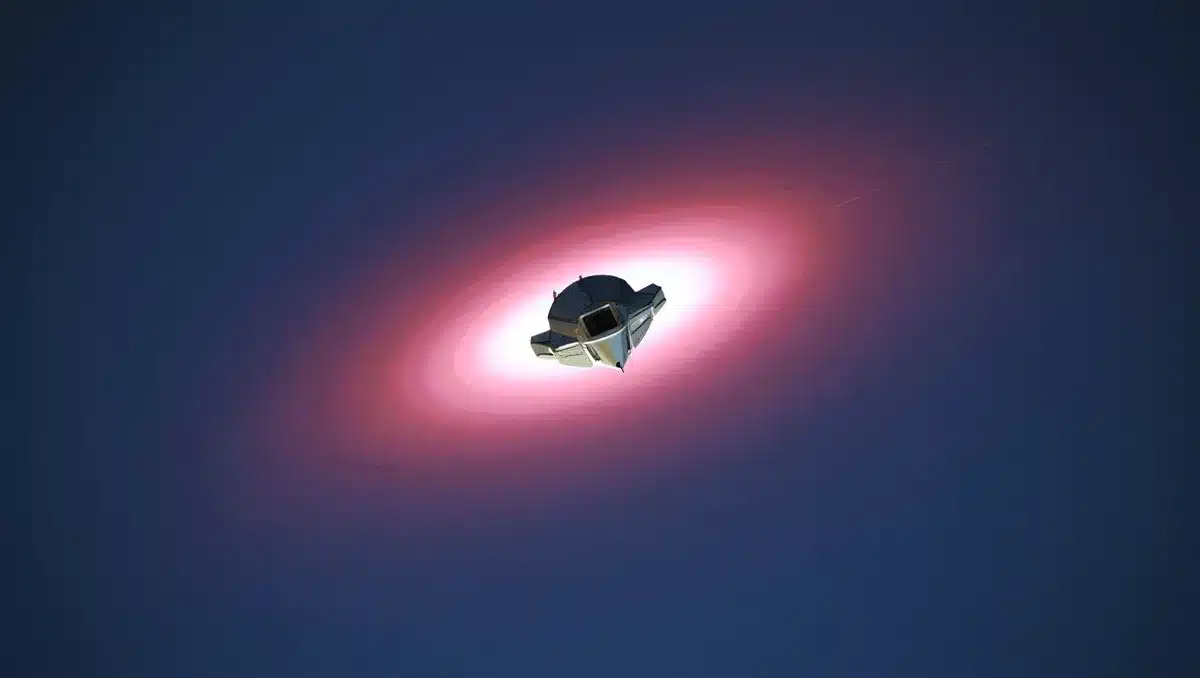
During reentry, Starship created a distinctive pink plasma field as it decelerated from over Mach 20 to subsonic speeds. The spacecraft then executed a controlled flip maneuver, reignited its engines for a landing burn, and splashed down in the Indian Ocean. SpaceX spokesperson Dan Huot called the touchdown a “dream scenario,” noting it was “the first time we’ve put an intact Starship in the water.” The vehicle remained operational even after splashdown, continuing to transmit live video from the Indian Ocean.
Flight 13 marked the second test for Starship’s V3 configuration and the first flight of SpaceX as a publicly traded company. The May test flight of V3 (Flight 12) had experienced multiple engine failures during the booster’s relight attempt and boostback burn, causing the Super Heavy to tumble. This mission demonstrated significant improvements: the booster achieved all engine ignitions at liftoff and successfully completed its boostback burn, while the upper stage demonstrated the in-space engine relight capability that had eluded the previous V3 test.
SpaceX is preparing Starship for a crucial NASA test flight scheduled for next year that could support the agency’s Artemis lunar landing program. The successful completion of Flight 13’s key objectives—satellite deployment, engine relight, and controlled reentry—advances SpaceX’s progress toward that milestone.
Sources
- CNN — live coverage of Flight 13 launch and splashdown, including booster and ship performance details and SpaceX commentary
- KeepTrack Space — mission profile confirming 20 Starlink V3 satellite deployment and splashdown locations
- Space.com — pre-launch reporting on mission objectives and Starlink V3 satellite details