President Donald Trump declared the ceasefire with Iran “over” on Wednesday at a NATO summit in Ankara, just three weeks after signing an interim peace framework, as tensions over the Strait of Hormuz escalated into the fiercest military exchange since the truce began in April.
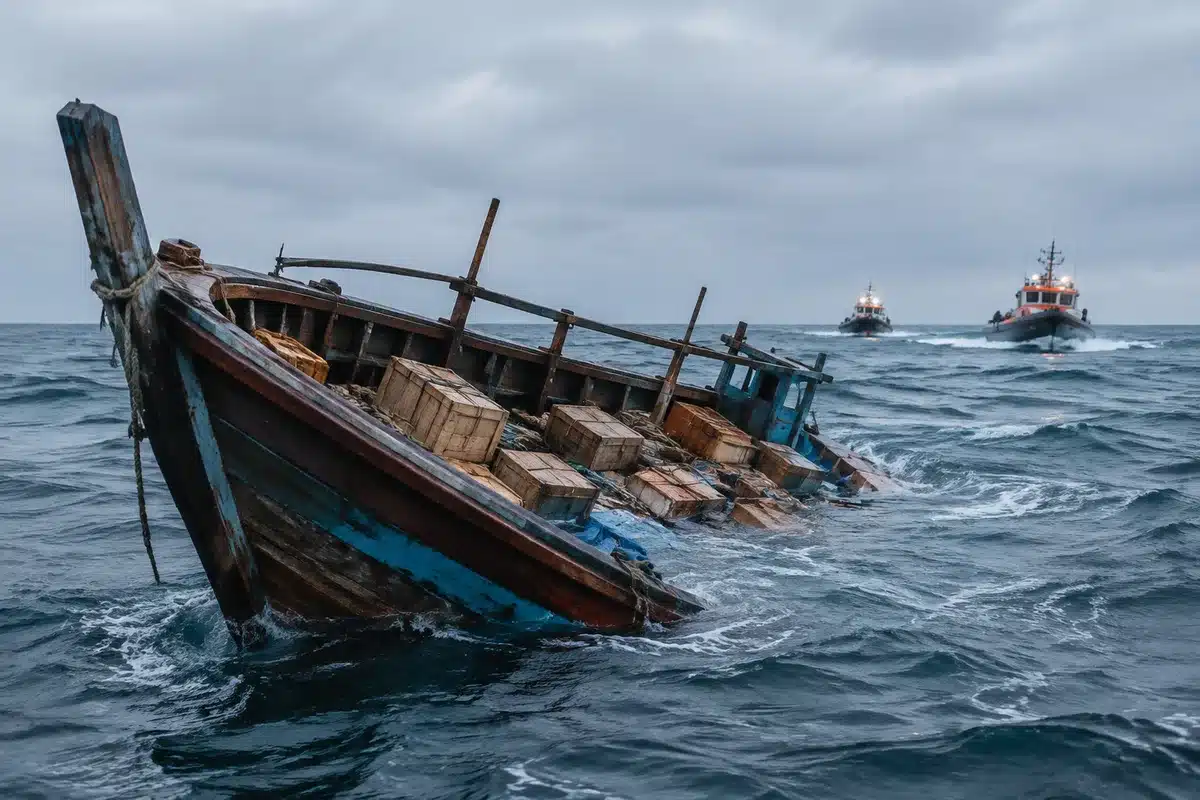
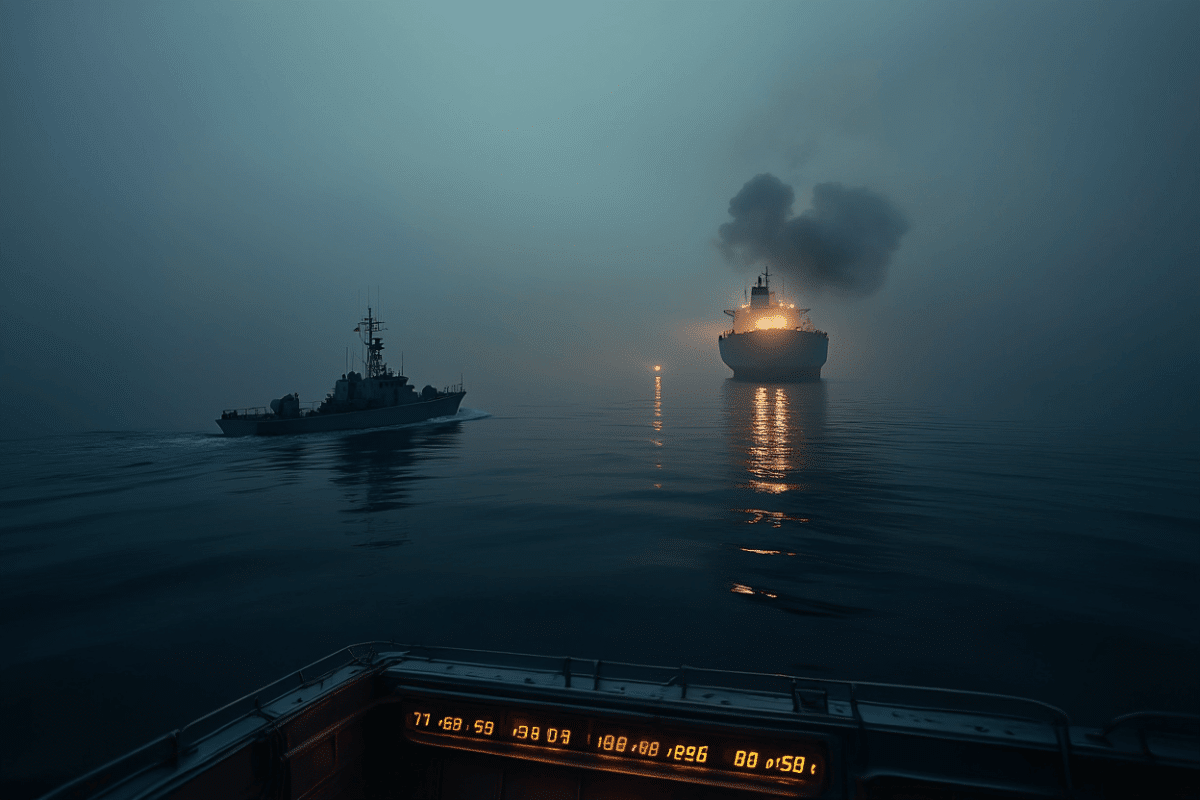
The escalation began Tuesday when Iran attacked three commercial vessels transiting the Strait of Hormuz near Oman—the Qatari liquid gas carrier al Rekayyat, the Saudi crude tanker Wedyan, and the Liberian-flagged Cyprus Prosperity. The US military responded early Wednesday with strikes on 80 Iranian targets, including air defense systems, radars, and small boats used by Iran’s paramilitary Revolutionary Guard Corps, according to US Central Command.
Speaking to the press from Turkey, Trump said the ceasefire memorandum of understanding signed on June 14 was “over,” describing Iranian leaders as “sick people” and “liars.” He threatened further strikes, saying “We’re going to hit them hard tonight,” and suggested the US could take control of Kharg Island in the strait. By his closing press conference, Trump tempered his rhetoric, saying the conflict would end “very quickly” and that he did not intend to continue hostilities long-term.
The US Treasury revoked a temporary sanctions waiver that had allowed Iran to export oil, one of the few tangible benefits Iran received from the June agreement. The waiver had been issued two weeks earlier as part of the ceasefire framework. Iran, which said eight army and navy personnel were killed in the initial US strikes, responded with attacks on US military sites in Bahrain and Kuwait, with the Islamic Revolutionary Guard Corps claiming to have targeted 85 facilities.
The Strait of Hormuz Dispute
At the center of the breakdown was a fundamental disagreement over control of the Strait of Hormuz, through which roughly 20 percent of the world’s seaborne oil and gas flows. The June memorandum of understanding left Iran in control of the strait for a minimum of 30 days, with Iran obligated to use its best efforts to restore shipping traffic to pre-war levels and clear mines. However, Iranian officials asserted that the US was violating the agreement by attempting to open new shipping lanes without Iranian permission, particularly a southern route near the Omani coast sponsored by Washington.
Iran has demanded that all commercial ships use only Iranian-approved routes and has proposed charging fees for providing security—a proposal dismissed by the US as a protection racket and a violation of international maritime law. Qatar, which had been mediating the talks between Washington and Tehran, summoned the Iranian deputy ambassador in Doha to demand an explanation after the al Rekayyat, a Qatari vessel, was struck.
The military exchanges came as Iran buried its assassinated supreme leader, Ali Khamenei, with millions attending a days-long funeral. The timing raised questions about whether Iran’s military leadership was reasserting control during a period of political transition. In June, the House and Senate had passed a bipartisan resolution to block Trump from resuming military action, but the administration proceeded with strikes after the tanker attacks.
Sources
- The Guardian — detailed reporting on the exchange of fire, the ceasefire breakdown, and the disputed terms over Strait of Hormuz control
- Al Jazeera — coverage of Trump’s declaration that the ceasefire is over and Iran’s military response
- Reuters — reporting on the tanker attacks and the US revocation of Iran’s oil sales waiver
- NBC News — live updates on US military strikes and Iran’s retaliatory attacks
- Britannica — confirmation that Trump declared the ceasefire over on July 8, 2026