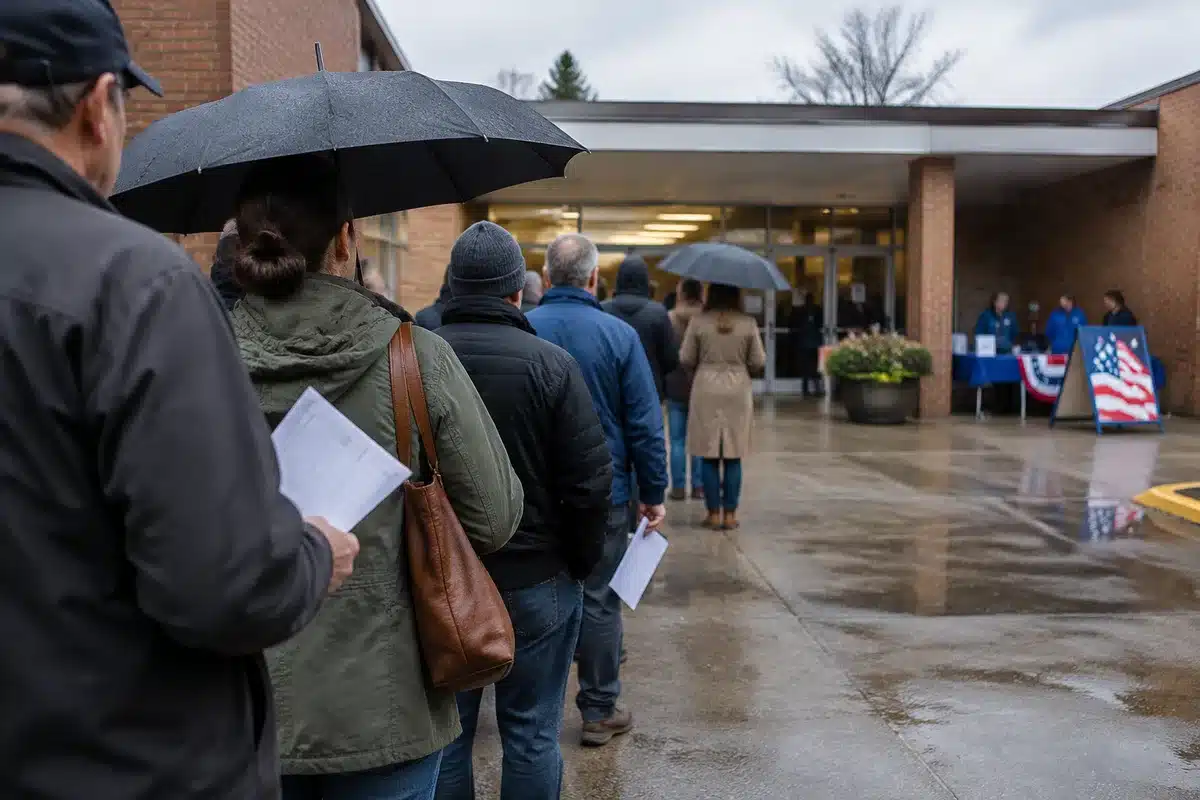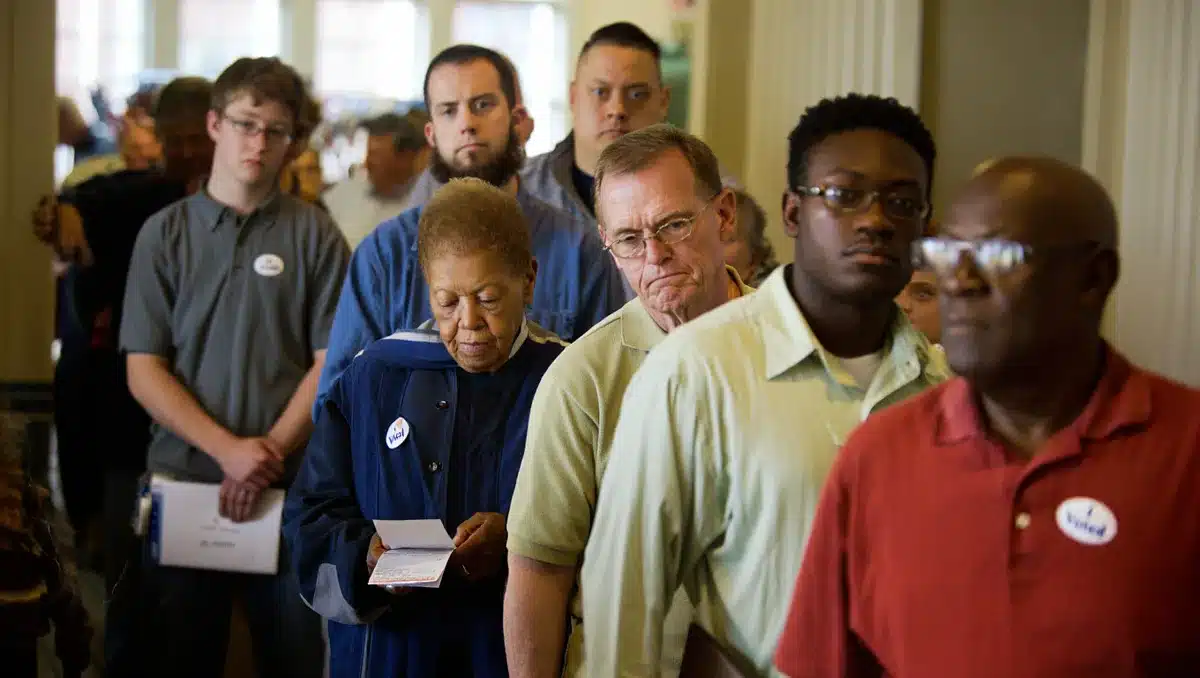
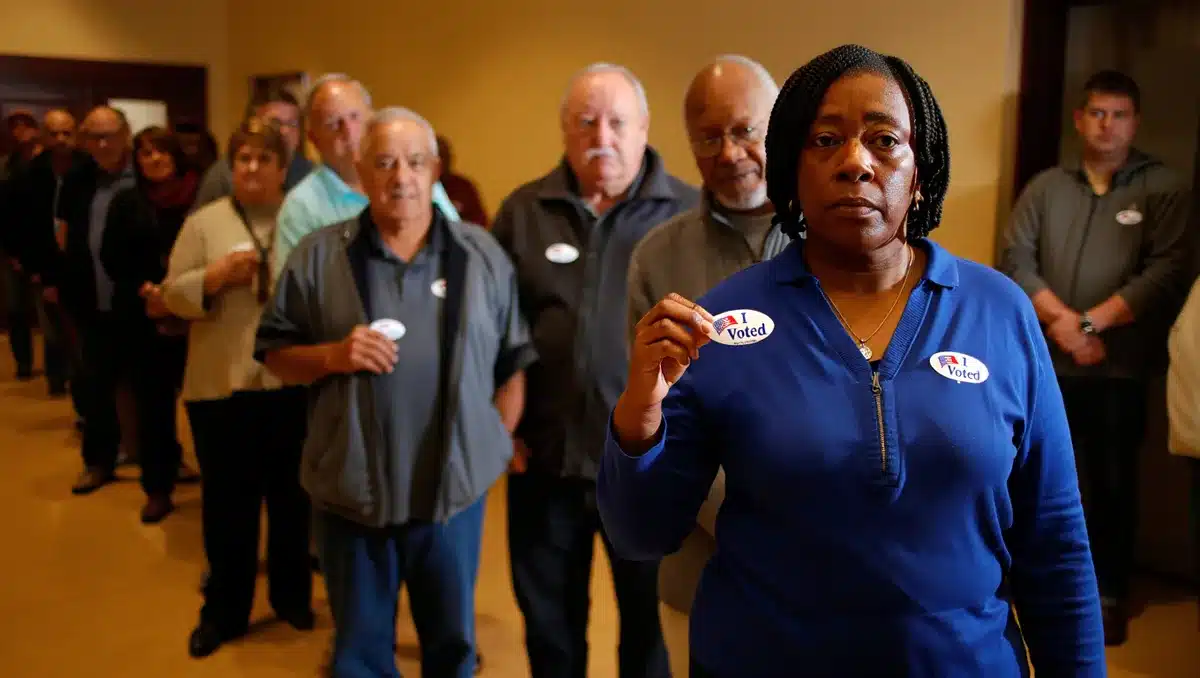
Voters in five states cast ballots today in pivotal primary elections that will shape the midterm battle for control of Congress, with high-stakes races in Michigan, Virginia, Kansas, Missouri, and Washington determining the Democratic and Republican nominees who will compete in November’s general elections.
The August 4 primaries featured some of the most closely watched contests of the 2026 cycle, including a contentious Michigan Democratic Senate race that has become a proxy battle over party direction and foreign policy. In that race, progressive former public health official Abdul El-Sayed faced Representative Haley Stevens, a moderate establishment Democrat, for the chance to challenge Republican Mike Rogers in what is expected to be one of the nation’s most competitive Senate races. The winner will advance to November to compete for the seat vacated by retiring Democratic Senator Gary Peters.
Michigan’s Democratic gubernatorial primary also drew significant attention, with Secretary of State Jocelyn Benson and state Senator Chris Swanson competing on the Democratic side to succeed term-limited Governor Gretchen Whitmer, while Republicans chose between businessman John James and former gubernatorial candidate Perry Johnson.
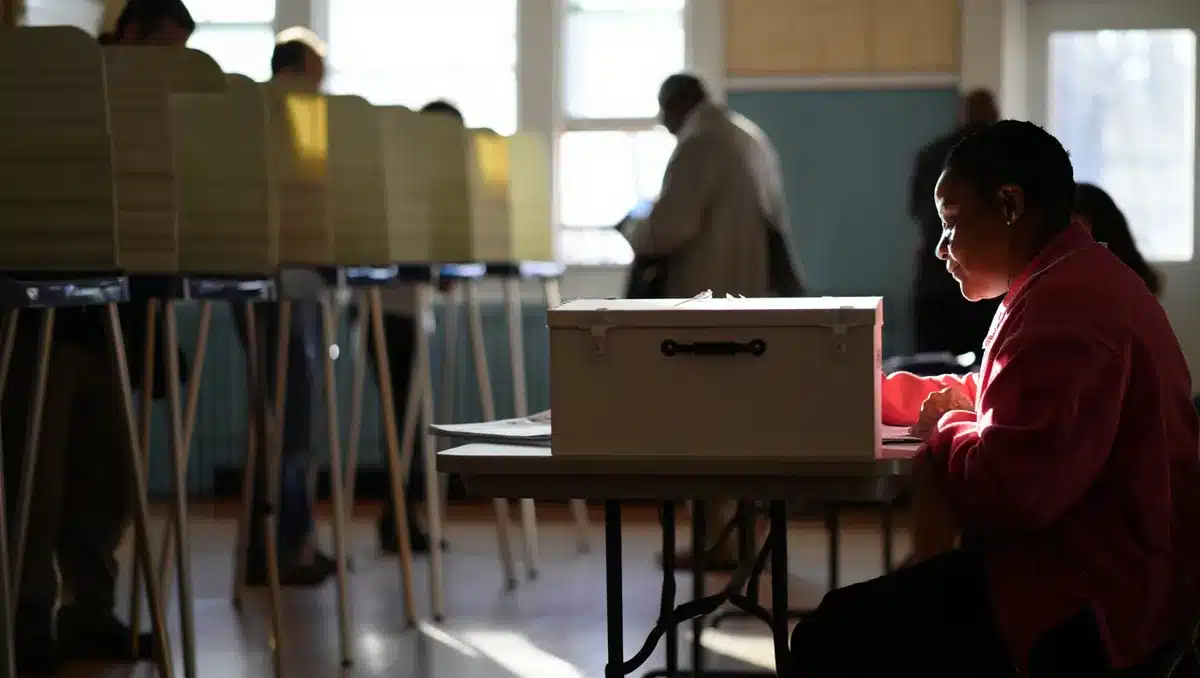
The primaries carry outsized importance for Democrats’ path to reclaiming the Senate. According to reporting from Al Jazeera, Democrats need to flip four Senate seats and three House seats to regain the majority in Congress. Several of these races on Tuesday’s ballot will help determine whether that goal is achievable, with Michigan and Virginia emerging as particularly competitive battlegrounds.
In Missouri, Representative Wesley Bell faced former Representative Cori Bush in a bitter Democratic primary rematch in the heavily Democratic 1st Congressional District. The race has become an early test of whether Democratic voters are shifting back toward more progressive candidates, particularly as criticism of Israel’s war on Gaza has intensified within the party. Bush, an early advocate of a Gaza ceasefire and fierce critic of U.S. military support for Israel, cast the race as a fight against the Democratic establishment and the influence of pro-Israel money. The pro-Israel lobbying group AIPAC’s political arm spent approximately $3.1 million in July backing Bell and opposing Bush, according to the Associated Press. Because the district is safely Democratic, the primary winner is favored in November.
In Kansas, both parties are choosing nominees to replace Democratic Governor Laura Kelly, who has completed two terms. The Republican primary featured seven candidates, with Trump endorsing Kansas Senate President Ty Masterson against rivals including Secretary of State Scott Schwab, who gained national attention for defending Kansas’s election integrity against Trump’s 2020 fraud claims. On the Democratic side, state Senators Ethan Corson and Cindy Holscher are competing against Overland Park Mayor Curt Skoog. Kansas has a long history of electing governors from the opposite party, making the race more competitive than the state’s Republican tilt might suggest.
Virginia’s primary results will shape several competitive House races. In the state’s 2nd Congressional District, Republican Representative Jen Kiggans, a U.S. Navy veteran and former state senator, is defending one of the nation’s most competitive swing seats against former Democratic Representative Elaine Luria, also a Navy veteran who served on the House committee investigating the January 6 Capitol attack. The Democratic Congressional Campaign Committee has designated Luria for its “Red to Blue” programme, providing extra support to competitive challengers.
In Washington, the state’s 3rd Congressional District emerged as a key toss-up, with Democratic Representative Marie Gluesenkamp Perez seeking a third term against Trump-endorsed Washington State Senate Minority Leader John Braun. Analysts are treating the race as a bellwether for the midterms. Washington uses a top-two primary system, meaning the two candidates receiving the most votes advance to November regardless of party affiliation.
The August 4 primaries also highlighted growing divisions within the Democratic Party over issues including Israel’s war on Gaza and the influence of progressive candidates. In multiple races across the five states, voters faced choices between establishment-backed moderates and progressive challengers who have pushed the party to take stronger positions on foreign policy and social issues.
The results from today’s primaries will offer the first major indication of how these party dynamics will play out in the November general elections, when control of the Senate and House will be decided.
Sources
- Al Jazeera — detailed reporting on all five state primaries, including Kansas, Missouri, Virginia, Washington, and Michigan races; AIPAC spending figure and Democratic majority targets
- Associated Press — confirmation of primary dates, candidates, and races across all five states
- The New York Times — live election results and coverage of Michigan and Virginia races
- USA Today — primary election results and updates across the five states
- Ballotpedia — candidate information and race details for Michigan, Kansas, Missouri, and Virginia primaries
- Reuters — Michigan primary reporting on Democratic voters’ views regarding Israel