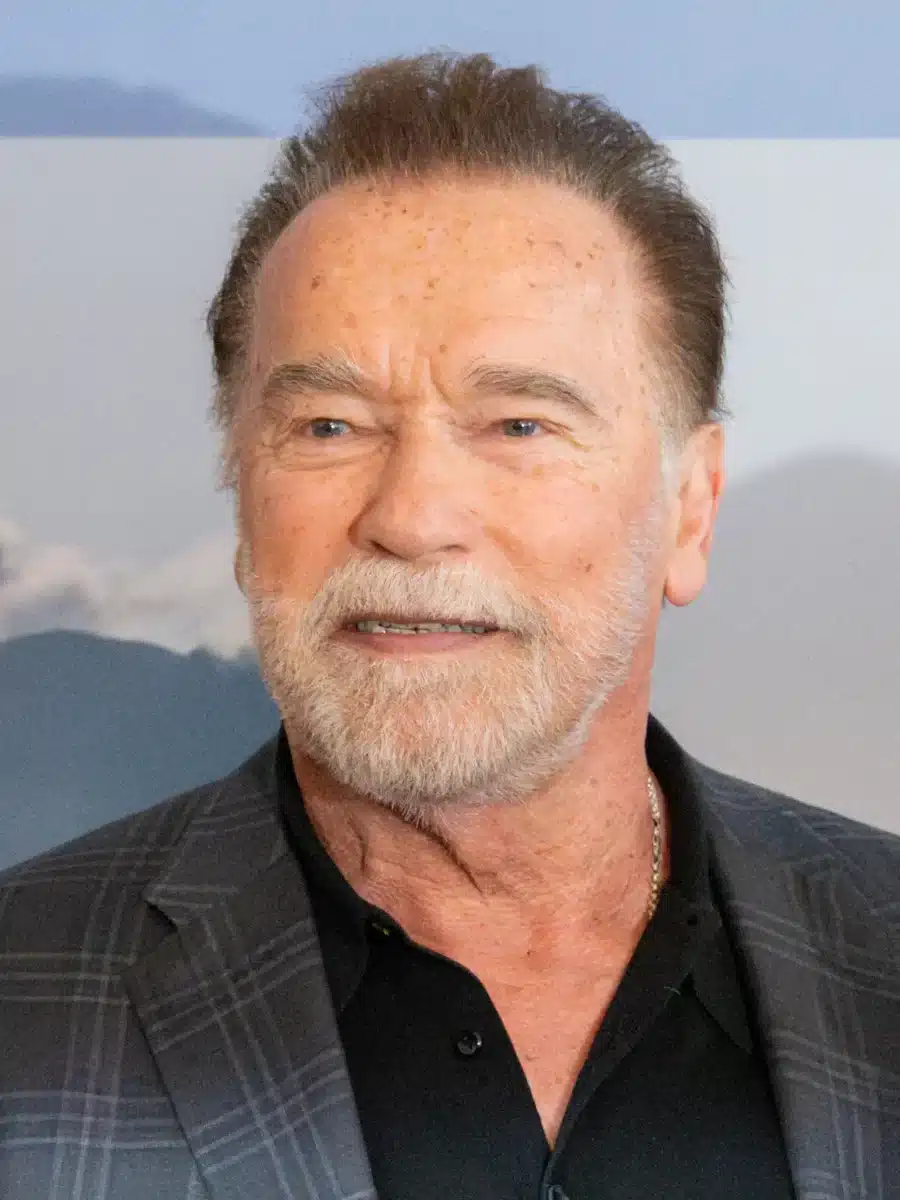
President Trump fired all three remaining members of the U.S. Election Assistance Commission on Thursday, leaving the federal election agency without commissioners and unable to take official action just months before the 2026 midterms. The two Democratic commissioners, Thomas Hicks and Benjamin Hovland, were notified by email that their positions were “terminated, effective immediately,” according to Votebeat. Republican Christy McCormick was allowed to resign, three sources told ProPublica.
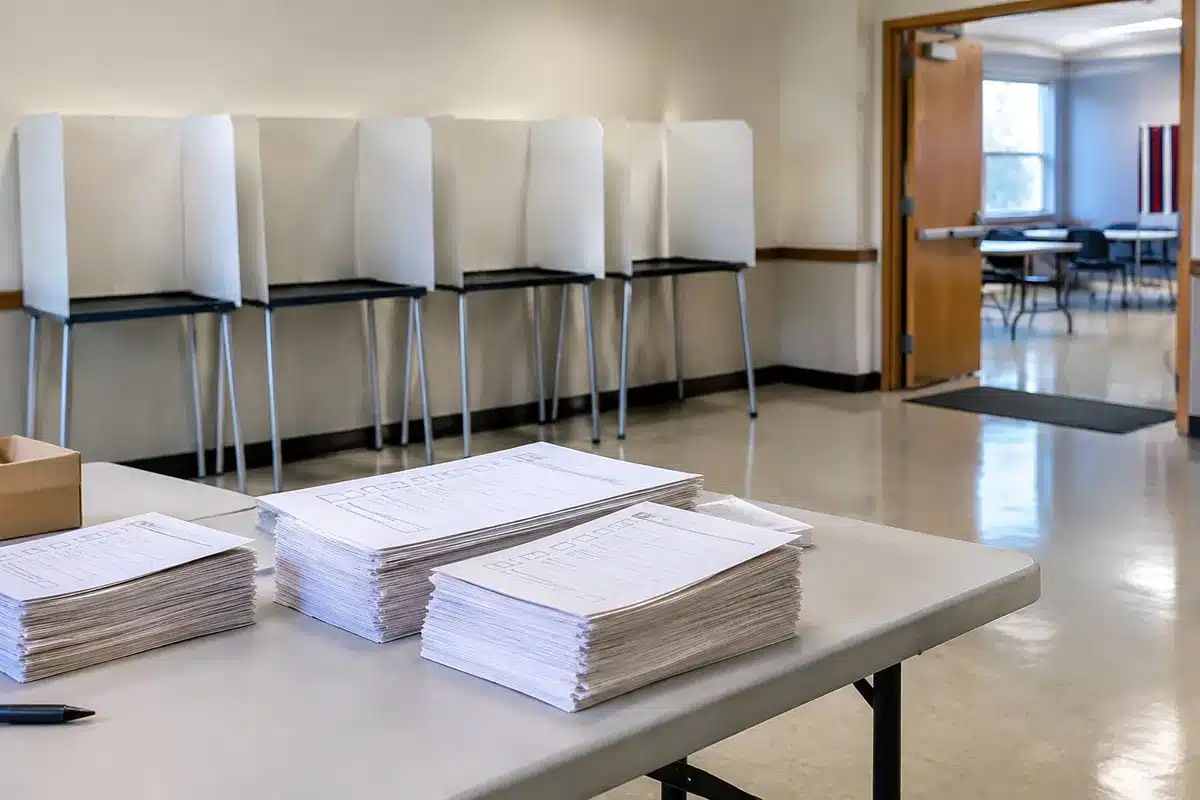
The firings dismantle the only federal agency devoted solely to election administration at a critical moment in the election calendar. The EAC, created by Congress after the 2000 election, distributes federal election funds to states, maintains the national mail voter registration form, tests and certifies voting systems, and provides guidance to state and local election officials. With no commissioners, the agency cannot act on any of these functions.
Trump’s move came days after the Supreme Court issued a landmark decision on June 29, 2026, in Trump v. Slaughter. In a 6-3 ruling, the Court overturned decades of precedent and held that the president may remove leaders of independent agencies without citing cause, according to Congress.gov. The decision struck down a 91-year-old precedent that had insulated bipartisan federal commissions from direct White House control.
The EAC’s bipartisan structure—designed to have no more than two commissioners from the same party—was intended to prevent partisan takeover. But Trump’s administration has moved to reshape the agency’s direction. In March 2025, Trump issued an executive order directing the EAC to change the national voter registration form to require proof of U.S. citizenship, a longtime goal of conservative groups. ProPublica reported that the Trump-aligned law firm America First Legal had petitioned the EAC to make this change, and the agency had posted notice seeking public comment, receiving hundreds of thousands of responses, but had not yet voted.
Election officials and advocacy groups expressed alarm at the dismissals. Cisco Aguilar, Nevada’s secretary of state and chair of the Democratic Association of Secretaries of State, called the move a significant loss in a statement to ProPublica, saying the EAC “plays a critical role in supporting state and local election officials,” and that election administrators would “again fall on” secretaries of state to fill the gap. The Bipartisan Policy Center described the departures as a “significant loss for one of the federal government’s few institutions explicitly designed around bipartisan governance.”
Hicks, the commission’s chair, had served since 2014 and previously worked for Democrats on the House Administration Committee, which oversees federal election law. Hovland joined in 2019 after unanimous Senate confirmation and had served as acting chief counsel to the Senate Rules Committee. McCormick had been on the EAC since 2014 and previously worked as a senior trial attorney in the voting section of the Justice Department’s Civil Rights Division. A fourth Republican commissioner, Donald Palmer, had already resigned in April to join the Heritage Foundation, according to Votebeat.
Whether the Supreme Court’s removal-power doctrine extends to bipartisan election agencies remains an open legal question. Rick Hasen, an election law professor at UCLA, told Votebeat that the question “has not been tested as to whether political entities created with bipartisan balance might be subject to another exception.” If any of the fired commissioners challenge their removals in court, the case could become the first direct test of whether the new removal-power ruling applies to federal election agencies structured around bipartisan balance.
Trump cannot simply install replacement EAC commissioners on his own. The Help America Vote Act, which created the EAC, requires that commissioners be nominated by the president and confirmed by the Senate, with no more than two from the same party. The statute also says the president should consider recommendations from congressional leadership when making nominations. Votebeat reported that in practice, both parties typically work with the administration to identify nominees, though this is more a custom than a statutory requirement.
The EAC has faced chronic vacancies and partisan infighting in the past, limiting its effectiveness. But ProPublica noted that in recent years, the agency had made progress, passing new standards for voting machines and creating resources for election officials, often reaching unanimous decisions despite its partisan split. Now, with the 2026 election cycle underway and the agency frozen with no commissioners, state and local election officials face the prospect of managing the midterms without federal support or updated guidance on voting system standards and election administration best practices.
Sources
- Votebeat — commissioners’ names, firing by email, McCormick’s resignation, Hicks’ background, Hovland’s background, McCormick’s background, Palmer’s resignation, Hasen quote on legal uncertainty
- ProPublica — Hovland and Hicks fired, McCormick allowed to resign, Trump’s March 2025 executive order on voter registration form, America First Legal petition, public comments received, Cisco Aguilar quote, Bipartisan Policy Center quote, agency progress on voting standards
- Congress.gov — Trump v. Slaughter decision date (June 29, 2026), 6-3 ruling, overturned 91-year-old precedent on removal power
- The New York Times — firings render the agency useless, Trump seeks to impose control over elections