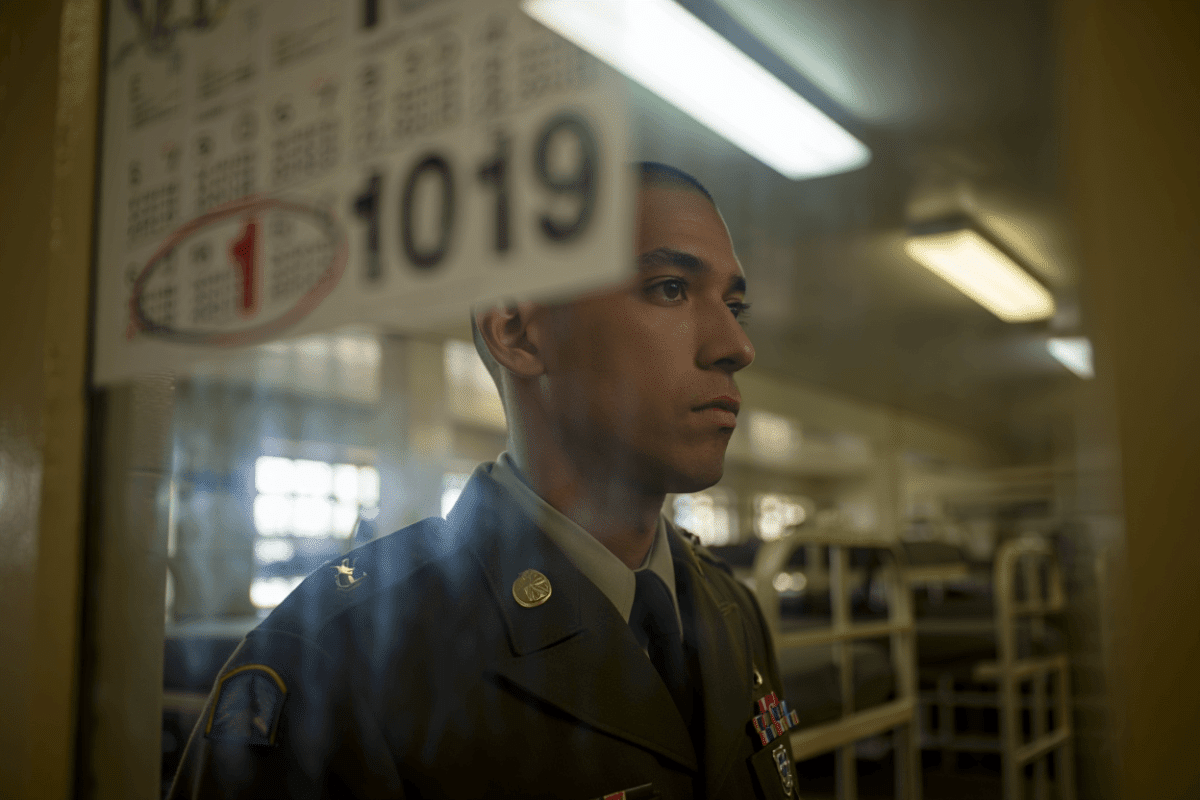
Defense Secretary Pete Hegseth’s military grooming policy requires service members to maintain a clean-shaven appearance, with medical shaving waivers now limited to one year before potential separation from the force. The memorandum, signed in August 2025, represents a significant tightening of standards that previously allowed some troops to hold long-term or permanent exemptions from the requirement.
The policy affects service members with medical conditions such as pseudofolliculitis barbae (PFB), a skin condition where hair curls back into the skin after shaving, and eczema. According to the U.S. Department of War, service members with approved medical waivers must participate in a medical treatment plan, with commanders required to initiate separation of those who still require a waiver after more than one year of undergoing treatment.
“The grooming standard set by the U.S. military is to be clean-shaven and neat in presentation for a proper military appearance,” Hegseth stated in his August 2025 memorandum. The directive also specified that the policy does not affect shaving waivers related to religious accommodations, nor does it impact growing mustaches where military departments permit them.
The Navy, the first service branch to formally implement the policy with detailed guidance, released its administrative message on July 9, 2026. Under the Navy’s framework, sailors can receive shaving waivers for 90 days, with commands able to issue additional 90-day extensions, but the total cannot exceed one year. Approximately 6,400 sailors are diagnosed annually with chronic skin conditions that affect their ability to meet grooming standards, according to Chief of Naval Operations Adm. Daryl Caudle.
The first separations for failure to meet grooming standards due to medical conditions will not occur until July 7, 2027, giving service members a full year from the Navy’s policy announcement to either resolve their medical condition or face administrative separation. Sailors evaluated for separation may also be referred to the Disability Evaluation System.
Before Hegseth’s directive, medical shaving waivers were sometimes issued on a long-term basis, meaning some service members could go years without meeting the clean-shaven standard. The new policy represents a shift from that approach, emphasizing that medical conditions requiring exemptions should be treated and resolved within a defined timeframe. Military medical providers will offer treatment plans intended to allow service members to return to meeting grooming standards.
The Marine Corps, in April 2026, similarly announced that after one year it would evaluate service members for administrative separation if they cannot meet grooming standards. The Army and Air Force have also aligned their policies with Hegseth’s directive, though implementation timelines vary by service branch.
Sources
- U.S. Department of War — confirmed Hegseth’s August 2025 memorandum, the clean-shaven standard, medical waiver procedures, and treatment plan requirements
- USNI News — reported Navy’s July 2026 policy implementation, the one-year waiver limit, approximately 6,400 sailors affected annually, and first separation date of July 7, 2027
- Military Times — detailed the separation procedures and medical waiver approval process under Hegseth’s directive
- Fortune — reported the one-year limit on facial hair exemptions and separation requirements for those exceeding the timeline