British Prime Minister Keir Starmer announced his resignation on June 22, 2026, stepping down as leader of the governing Labour Party after nearly two years in office. He will remain as caretaker prime minister until a successor is chosen, with a leadership contest set to conclude by mid-September.
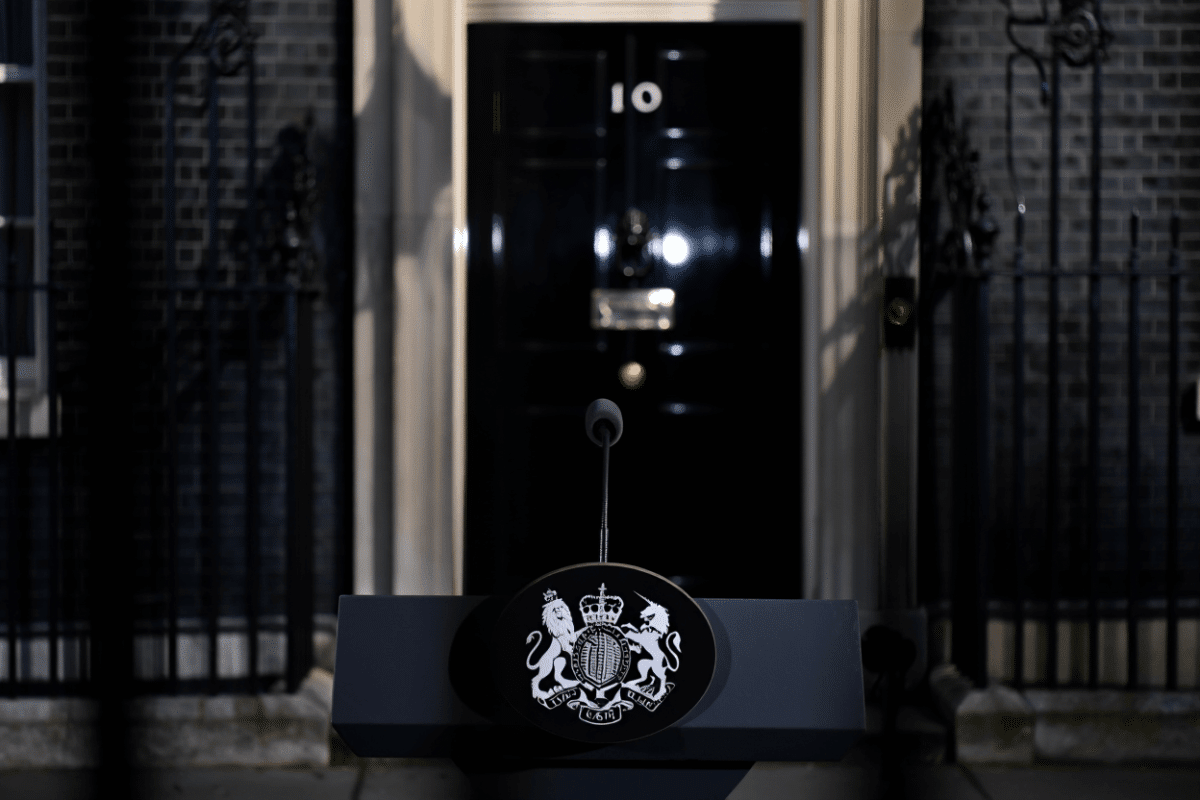
Starmer made the announcement outside 10 Downing Street, his voice choking with emotion near the end of the brief statement. “The question my party is asking now is whether I am best placed to lead us into the next general election,” he said. “I have heard the answer of my parliamentary party to that question, and I accept that answer with good grace.”
The resignation came after mounting pressure from within his own Labour Party, including from cabinet ministers. The decision followed Andy Burnham’s decisive victory in a special parliamentary election last week in northern England, which had positioned the former Manchester mayor as a potential challenger to Starmer’s leadership.
Starmer’s departure marks a dramatic reversal of fortune. In July 2024, he led Labour to a landslide general election victory, winning 411 of the 650 House of Commons seats after the party had spent 14 years in opposition. He was elected on a promise to steady the ship and end years of political chaos under his predecessors. Yet his popularity and that of his party plummeted within months, undermined by policy missteps and internal dissent.
The formal contest to replace Starmer will begin in early July. Nominations will open on July 9 and close when Parliament breaks for its summer recess on July 16. The contest will be open to members of Parliament from the ruling Labour Party. Candidates must win the support of one-fifth of Labour MPs to enter the race, then secure backing from local party constituencies and affiliated organizations before a party-wide vote.
Andy Burnham, who won his parliamentary seat in last week’s special election, has confirmed he will run to succeed Starmer as Labour leader and prime minister. Wes Streeting, who resigned as health secretary last month to protest Starmer’s leadership, has indicated he would also stand if there is a contested election. However, Burnham’s popularity and the backing he has already received from senior figures make him the frontrunner, and he could potentially be elected unopposed.
With Starmer’s resignation, Britain will have its sixth prime minister in a decade. His predecessors included David Cameron (2010-2016), Theresa May (2016-2019), Boris Johnson (2019-2022), Liz Truss, who lasted just 45 days, and Rishi Sunak (2022-2024). The rapid turnover reflects years of political instability following the 2016 Brexit referendum and subsequent internal party conflicts.
Starmer said a new leader will be in place before parliament returns in September, according to the timetable set by Labour’s national executive committee. If Burnham runs unopposed, he could become Labour leader and prime minister within weeks. Even if a contest occurs, the party aims to conclude it by early September.
Sources
- AP News — Starmer’s announcement of resignation and timeline for successor
- Reuters — Timeline for leadership contest and new leader by September
- The Guardian — Burnham’s confirmation to run and party support
- CNN — Starmer’s July 2024 election landslide and party popularity decline
- Wikipedia — Starmer’s tenure beginning July 5, 2024, and prior prime ministers
- PBS — Context on UK prime ministers in past decade