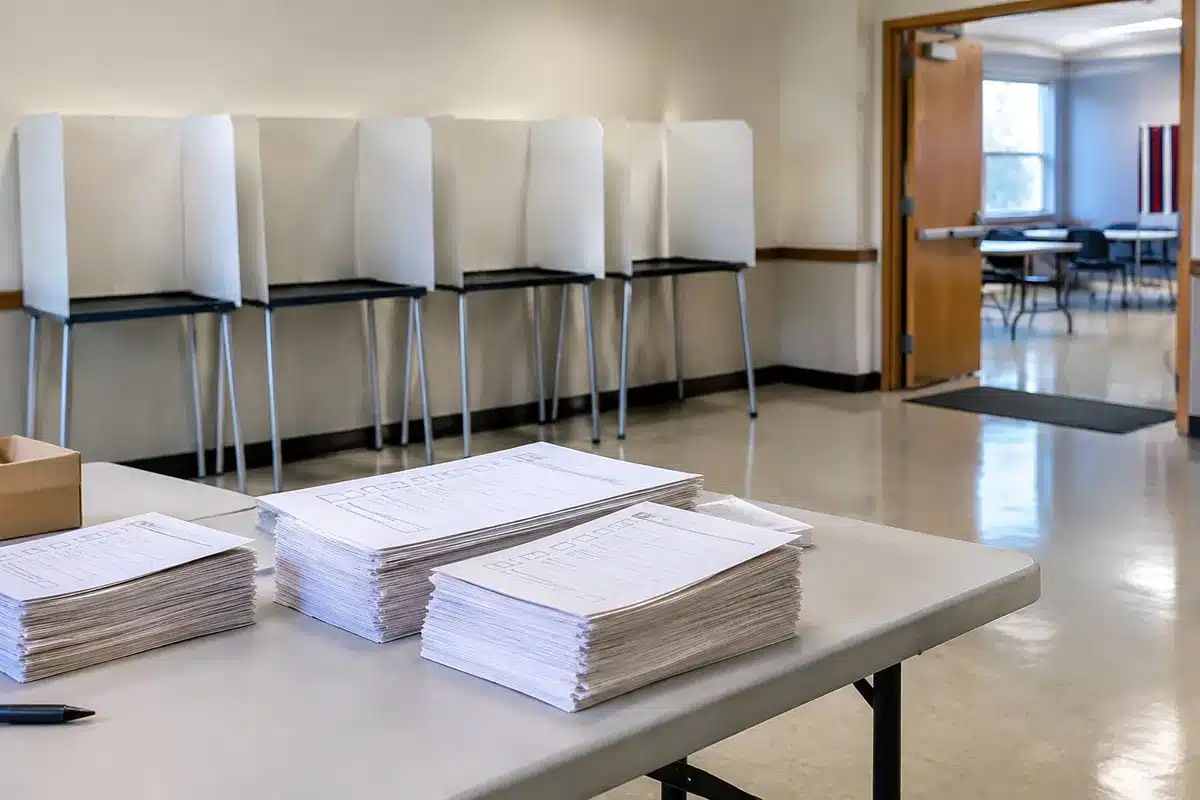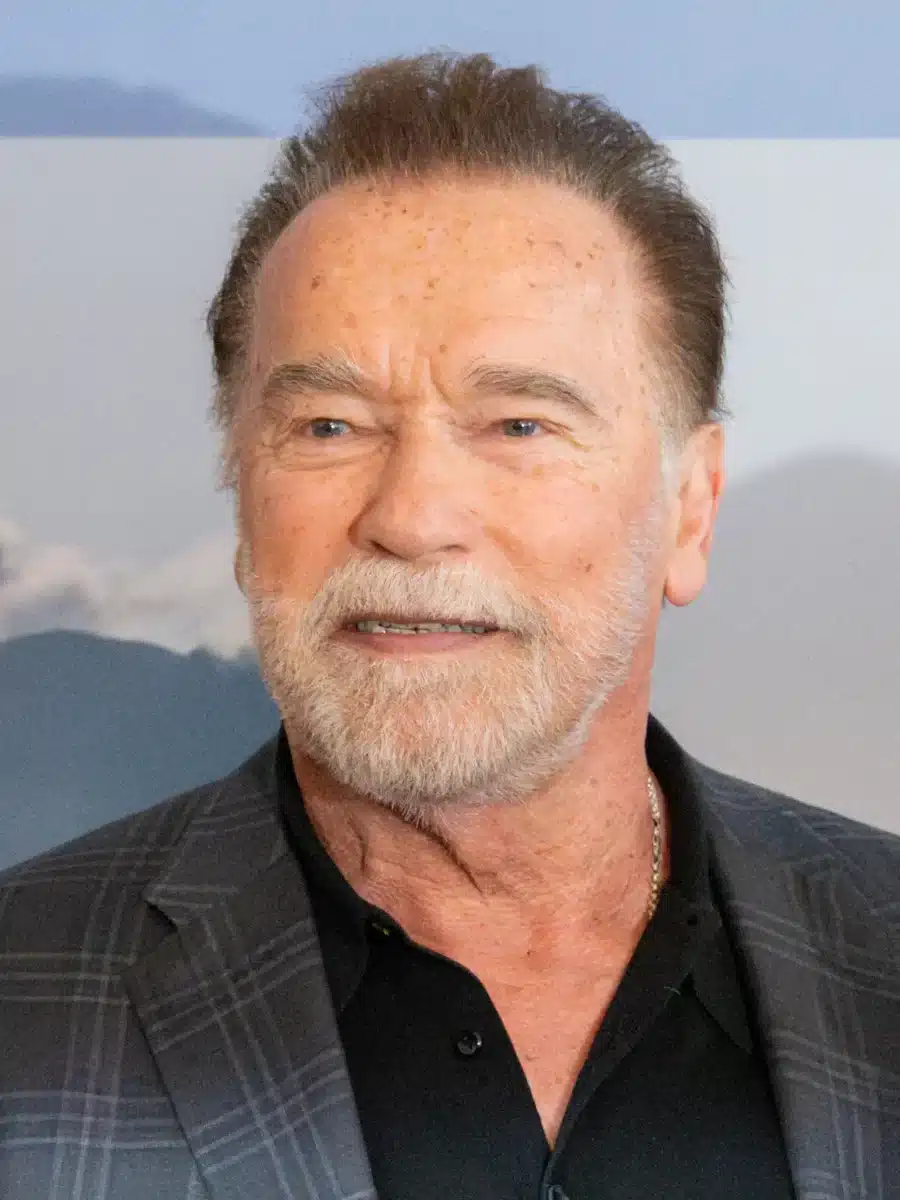
Colombian far-right lawyer Abelardo de la Espriella won the country’s presidential runoff election on June 21, securing 49.65% of the vote to defeat leftist senator Iván Cepeda, who received 48.7%, according to preliminary results from the National Civil Registry. With 99.93% of ballots counted, de la Espriella’s margin of victory was just 247,686 votes—narrower than his lead in the first round three weeks earlier, when he had beaten Cepeda by 673,000 votes.
De la Espriella, a criminal defense lawyer and businessman with no prior political experience, will take office on August 7, marking a sharp rightward turn after four years under Colombia’s first and only left-wing president, Gustavo Petro, who was constitutionally barred from seeking re-election and had backed Cepeda as his successor.
Born in Bogotá but raised on Colombia’s Caribbean coast, de la Espriella rose to prominence as a criminal lawyer representing the leaders of paramilitaries—private armies created by right-wing landowners to fight left-wing guerrilla groups—before branching into liquor, real estate, and menswear businesses. He announced his presidential bid in July 2025, a month after right-wing senator Miguel Uribe Turbay was shot during a campaign event; Uribe died two months after the attack. De la Espriella presented himself as an “anti-establishment” outsider despite his long association with Colombia’s right-wing political establishment through his legal career.
In a live address on his social media channels, de la Espriella said his victory would “change the course of Colombia’s history forever.” He stated he had just spoken by phone with U.S. President Donald Trump, who he said “has expressed his support and his recognition of our victory.” Trump had endorsed de la Espriella only after the first round, following a pattern of far-right candidates across the region receiving his backing.
De la Espriella campaigned on an iron fist approach to crime, pledging to build 10 maximum-security “mega-prisons” and kill criminals “like rats and cockroaches.” He has vowed to dismantle Petro’s “total peace” plan of negotiating the dismantling of all criminal groups and instead promised a return to full-scale military confrontation. The past year has been the most violent since Colombia’s 2016 peace agreement with the Revolutionary Armed Forces, with analysts saying some armed factions took advantage of temporary ceasefires to continue expanding. De la Espriella said he will seek U.S. support for airstrikes against coca plantations; Colombia is the world’s largest producer of cocaine, and drug trafficking remains the main driver of the country’s violence.
His vice president will be economist José Manuel Restrepo, who served as finance minister under Petro’s conservative predecessor, Iván Duque. De la Espriella said Restrepo would implement a plan to shrink the state by 40%. The president-elect will take office with a minority in congress and what many analysts see as a deeply divided country after the most polarized election in years, in which the two candidates failed to agree on holding a single debate.
Part of a Broader Latin American Rightward Shift
De la Espriella’s victory adds to a wave of far-right candidates sweeping presidential elections across Latin America. Recent victories by Nasry Asfura in Honduras and José Antonio Kast in Chile, alongside Keiko Fujimori currently leading the vote count in Peru, signal a regional trend away from left-wing leadership. When Petro leaves office in about six weeks, only Mexico, Brazil—which will hold elections in October—Uruguay, and Guatemala will remain under left-wing governments in the region, according to The Guardian.
Both Petro and Cepeda contested the preliminary results released by the National Civil Registry. Petro alleged without presenting evidence that the registry was “uploading forms … without the signatures of election jurors” and said those polling stations must be “immediately challenged.” Cepeda likewise declined to recognize the preliminary results and said his party was “proceeding to challenge 33,000 polling stations across the country.” Petro said he would only recognize the outcome of the official scrutiny process, which is expected to take about two more days. In the first round, Petro had also alleged fraud without evidence, drawing widespread criticism from election experts; the difference between the preliminary count and the official tally was less than 0.1%.
Sources
- The Guardian — De la Espriella’s vote count, margin of victory, background as criminal lawyer, Trump endorsement, Petro and Cepeda’s fraud allegations, and regional rightward shift context
- AP News — Confirmation of the runoff candidates and their backgrounds as lawyer/businessman and senator
- Reuters — De la Espriella’s lead in the vote count and candidate descriptions
- ABC News — Trump-backed status of de la Espriella and his apparent victory
- The Washington Post — Pro-Trump wave in Latin America context