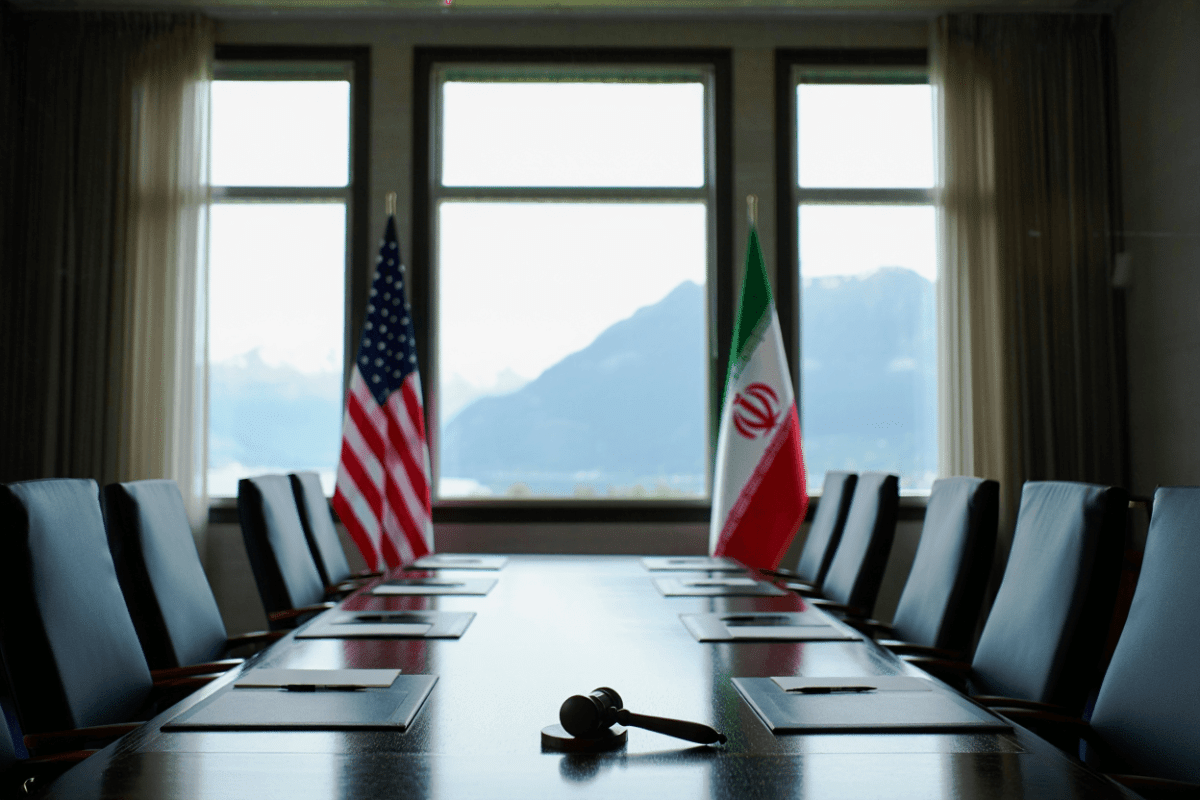
The United States and Iran are set to formally sign a 14-point memorandum of understanding on Friday in Switzerland, marking a major step toward ending their war and launching 60 days of intensive nuclear negotiations.
The memorandum represents a framework agreement that both sides have already signed electronically, according to Reuters. The formal signing will occur in Switzerland on June 19, with Iran’s Deputy Foreign Minister Kazem Gharibabadi saying the memorandum would be published after the ceremony. This follows months of indirect negotiations mediated by Pakistan.
The agreement establishes immediate actions upon signing. President Trump announced that the Strait of Hormuz will reopen on Friday, with the U.S. lifting its naval blockade on Iranian ports. According to Reuters, the strait will be reopened “to all commercial vessels” once the memorandum is signed, with marine traffic regulated by Iran in coordination with Oman. The framework deal to end war and reopen the Strait of Hormuz includes a provision that shipping will operate toll-free for the 60-day period.
Over the following 60 days, both sides will conduct negotiations on more difficult areas of dispute, notably Iran’s nuclear program and U.S. sanctions. A senior Iranian official told Reuters that Iran agrees to freeze its nuclear activity, refraining from further uranium enrichment or expansion of nuclear facilities pending a final agreement. Trump stated there is no urgency to extract Iran’s stockpile of nuclear material, saying the U.S. would retrieve it “when all is calm.”
On sanctions and financial relief, Iran’s senior officials told Reuters the U.S. has agreed to release $25 billion of Iran’s frozen assets through direct cash transfers, regional cooperation, and financial credit lines. The U.S. will also waive oil sanctions on Iran for a specified period, with all U.S. and U.N. sanctions to be lifted on an agreed timetable once a final deal is reached. However, Trump clarified that Iran would not be provided with cash, though sanctions could potentially be lifted.
The agreement extends to Lebanon, where Pakistan’s Prime Minister Shehbaz Sharif confirmed both sides declared an immediate and permanent end to all military operations. Iran’s Supreme National Security Council said military operations would stop permanently, including in Lebanon. Trump previously said there should be no more Israeli attacks on Lebanon and no more attacks by the Iran-backed group Hezbollah on Israel.
The 14-point memorandum was finalized after weeks of intensive negotiations. Vice President JD Vance described it as roughly “a page and a half long,” according to BBC reporting. Bloomberg News obtained the draft text, which outlines the framework for the ceasefire extension and the pathway to comprehensive negotiations on Iran’s nuclear ambitions, a central driver of the conflict that has lasted over 100 days.
U.S. Senator Lindsey Graham stated that any final deal on Iran’s nuclear program would require review and approval by Congress. Trump emphasized there would be a strong inspections regime for Iran under any deal, though he did not provide specifics.
Sources
- Reuters — Details on what the U.S. and Iran say is in the memorandum, including Strait of Hormuz reopening, nuclear freeze, sanctions relief, and Lebanon military operations
- Bloomberg News — Text of the 14-point draft memorandum and June 19 signing date in Switzerland
- BBC News — Vice President Vance’s description of the memorandum length and Trump’s announcement on Strait of Hormuz reopening