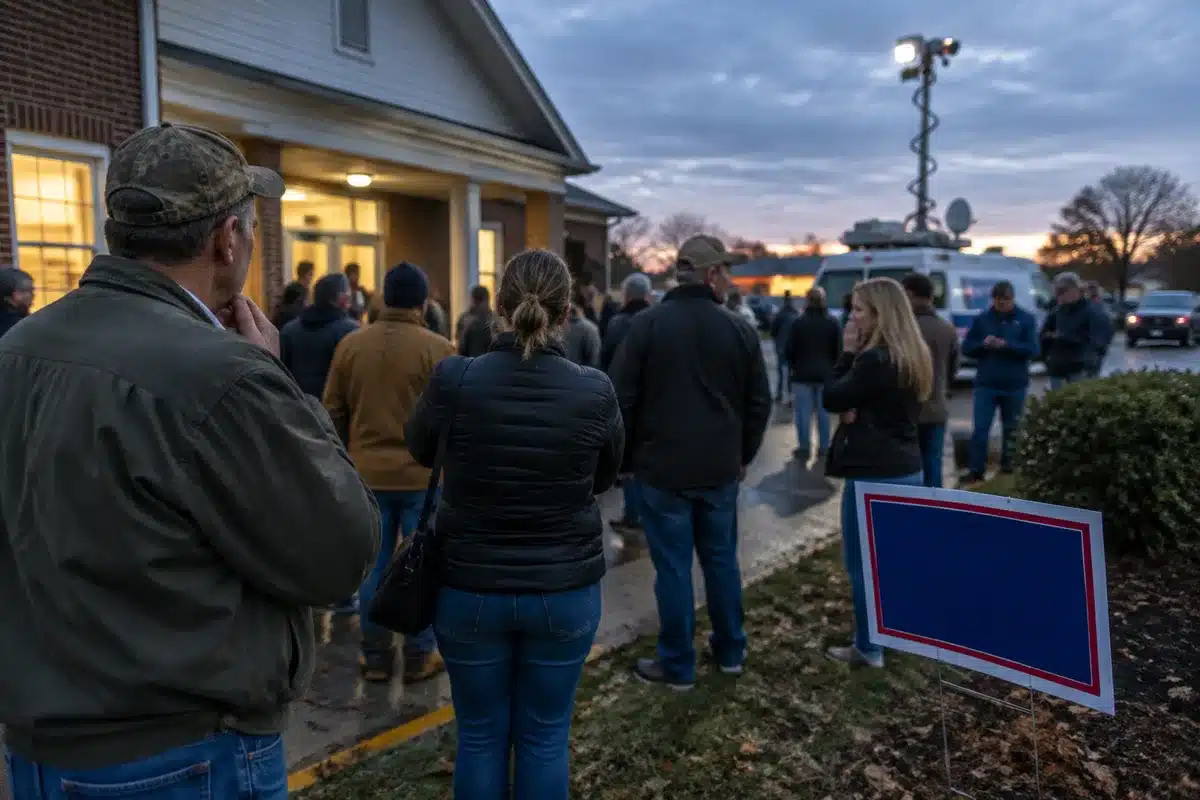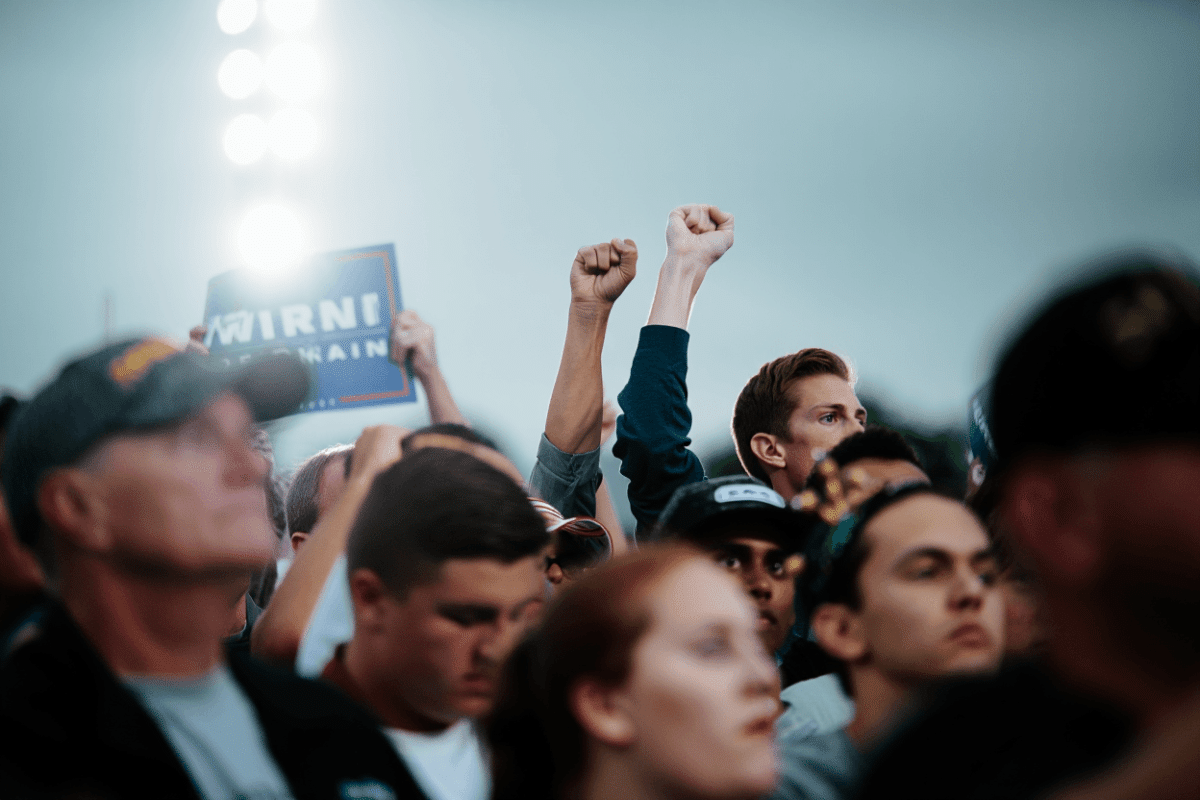
Culture war remains central to Republican strategy heading into the November 2026 midterm elections, with GOP candidates across the country bombarding voters with ads attacking Democrats over “woke” issues even as economic concerns dominate voter priorities. A new CNN poll released earlier today shows Americans sharply divided on cultural acceptance, with nearly half saying society has gone too far in accepting different cultures, genders, and sexual orientations, a division Republicans are aggressively exploiting in campaign messaging.
Close to eight in ten Republicans now say society’s level of acceptance has gone too far, according to the CNN poll conducted by SSRS from May 7 to May 31 among 2,480 U.S. adults. That represents a significant shift: the overall share of Americans holding that view has risen 6 percentage points from last summer, driven by Republicans and independents growing more likely to embrace that position.
The Texas Senate race has become a national laboratory for this anti-“woke” messaging strategy. James Talarico, a Texas state representative now running for U.S. Senate as a Democrat, faces a barrage of GOP ads highlighting his past statements, including remarks that he said there were six sexes and that “God is nonbinary.” Talarico acknowledged in a CBS News interview last month that some of his statements “missed the mark,” but he accused his Republican opponent, Ken Paxton, of “intentionally clipping my cringey comments to distract from” his own vulnerabilities.
Similar patterns are playing out nationwide. In Nevada, Republican primary winner David Flippo aired ads against his main competitor, James Settelmeyer, accusing him of being a “woke liberal pretending to be a Republican,” citing votes Settelmeyer cast as a state senator. In South Carolina, Lt. Gov. Pamela Evette is running ads ahead of a June 23 gubernatorial runoff invoking the “woke mob,” highlighting how she was disinvited from speaking at South Carolina State University after student protests. “I’ll make sure that if liberal institutions cancel conservatives, we cancel their funding,” she says in the ads.
Culture war issues have proven particularly potent within GOP primaries, where voters are largely primed for a backlash against cultural acceptance. The Trump administration made efforts to roll back diversity initiatives an early and prominent part of his second term beginning in January, signaling the priority the party places on these themes. Trump-endorsed candidates won or advanced in 37 Republican primary races in May, according to NBC News, demonstrating his continued influence over a base energized by cultural messaging.
Yet the strategy carries risks. While culture war messaging galvanizes the Republican base in primaries, polling suggests these issues rank below the economy in voter priorities heading into November. A Herald Net analysis from March noted that “midterm voters unlikely to shift focus from economy,” with a Democratic pollster quoted as saying culture-war issues “are not what the election is about this time.” The CNN poll itself shows that while Americans are divided on cultural acceptance, the top issue on most voters’ minds remains the economy.
The CNN data reveals deeper fractures on how Americans view speech and social change. Just 46% of Americans say people are too comfortable saying offensive things, while 45% say people have to be too careful about what they say—a nearly even split. Republicans overwhelmingly side with the latter view, with 60% saying caution about speech is the bigger problem compared to just 34% who say offensive speech is. Democrats invert that split, with 65% concerned about offensive speech and only 26% worried about excessive caution.
Historical precedent offers mixed lessons. When comparable culture war messaging dominated the 2022 midterms, Republicans initially expected strong gains based on these issues, but Democrats performed better than historically typical for an opposition party in a midterm. Political analysts have noted that sustained economic hardship or voter concern tends to amplify culture war messaging, while periods of economic stability cause such issues to recede in voter priority.
Sources
- CNN — CNN poll on culture war issues and Republican midterm strategy, conducted June 17, 2026
- NBC News — reporting on Trump’s May primary wins and GOP candidate endorsements
- CBS News — James Talarico interview on his past statements
- Herald Net — analysis of voter focus on economy versus culture war in 2026 midterms