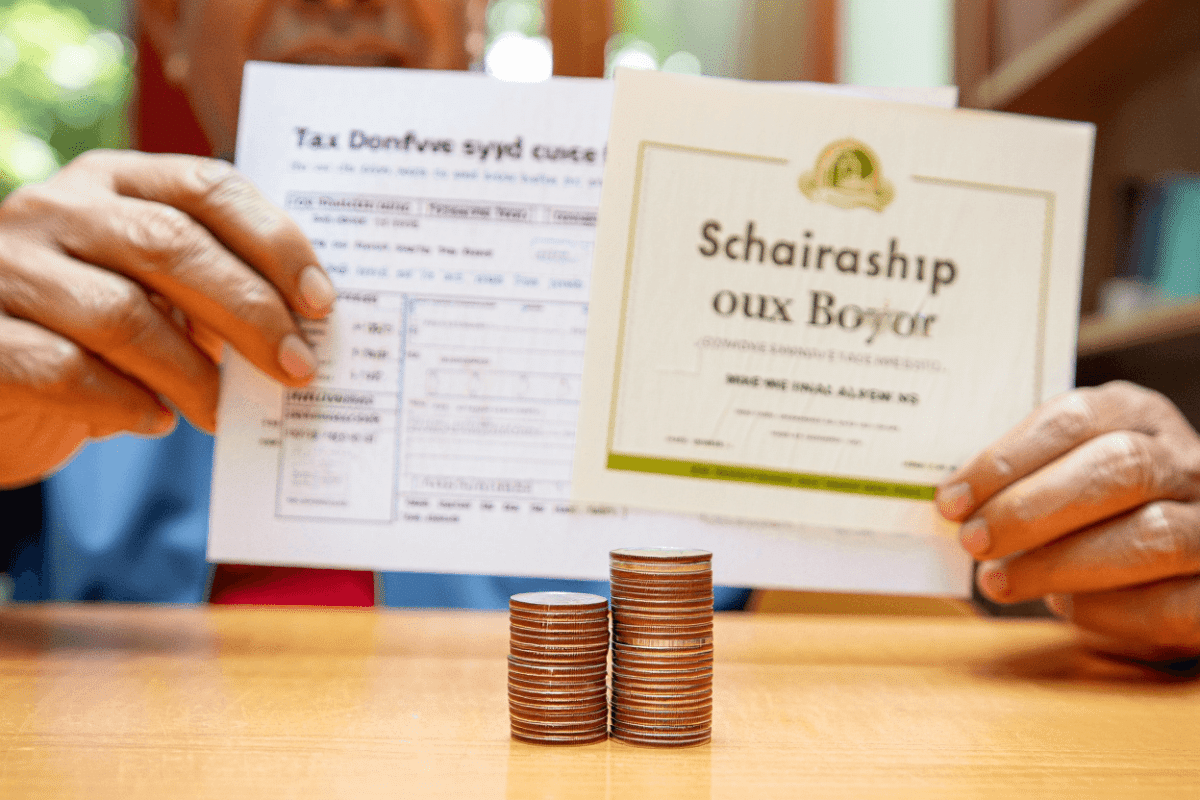
Twenty-seven states have elected to participate in the Federal Scholarship Tax Credit (FSTC) program, the Internal Revenue Service announced on June 8, 2026, enabling taxpayers in those states to claim a dollar-for-dollar federal tax credit of up to $1,700 for donations to school scholarships starting January 1, 2027.
The program, enacted under the One Big Beautiful Bill, allows individual taxpayers to contribute to Scholarship Granting Organizations (SGOs) and receive a nonrefundable federal income tax credit equal to the donation amount, up to the $1,700 annual cap. The IRS maintains the official list of participating states, which as of the June announcement includes Alabama, Alaska, Arkansas, Colorado, Florida, Georgia, Idaho, Indiana, Iowa, Louisiana, Mississippi, Missouri, Montana, Nebraska, Nevada, New Hampshire, North Dakota, Ohio, Oklahoma, South Carolina, South Dakota, Tennessee, Texas, Utah, Virginia, West Virginia, and Wyoming.
SGOs are 501(c)(3) nonprofit organizations that collect donations from individuals and award scholarships to eligible K-12 students for qualified education expenses. For a taxpayer to claim the tax credit, the SGO must be located in a state that has elected to participate in the program and submitted its list of qualified SGOs to the IRS. State participation is entirely voluntary, and the IRS said it is “hopeful that additional states will decide to participate.”
How the Program Works
Beginning January 1, 2027, any taxpayer with federal tax liability can donate cash to a qualified SGO in a participating state and claim a federal tax credit on their tax return. The credit is dollar-for-dollar, meaning a $1,000 donation yields a $1,000 credit against federal income tax, up to $1,700 per tax year. The credit is nonrefundable, so it cannot reduce a taxpayer’s liability below zero, but unused credits may be carried forward to future tax years.
SGOs must distribute at least 90 percent of contributions as scholarships to eligible in-state students and cannot set aside donations for specific individuals. This structure ensures that the vast majority of donated funds reach students rather than administrative costs. The scholarships can cover tuition, fees, tutoring, curriculum materials, and other qualified K-12 education expenses at private schools, religious schools, or other approved educational providers.
Expansion of School Choice Options
The federal program represents a significant expansion of school choice funding mechanisms. Prior to 2027, some states operated their own tax credit scholarship programs, but this is the first federal-level tax credit of its kind for K-12 education. The program’s launch follows years of advocacy by school choice advocates and Republican lawmakers who view tax-credit scholarships as a way to empower families and fuel educational innovation.
The IRS will maintain and update the list of participating states as they complete the election and submission process. Some state websites may not yet reflect their current participation status, the agency noted, but the official IRS information portal provides the most current information. Donors who wish to claim the credit must ensure they contribute to an SGO in a state that has formally opted into the program.
Sources
- Internal Revenue Service — IRS announcement (IR-2026-76, June 8, 2026) confirming 27 states’ participation, credit amount, and list of participating states
- IRS.gov — Federal Scholarship Tax Credit (FSTC) program details, effective date, and nonrefundable credit structure
- EdChoice — Explanation of how SGOs function and dollar-for-dollar credit mechanics for participating states
- Commonwealth Foundation — Background on SGO structure and how participating states accept donations beginning in 2027
- Bipartisan Policy Center — Overview of the program’s nonrefundable nature and credit mechanics