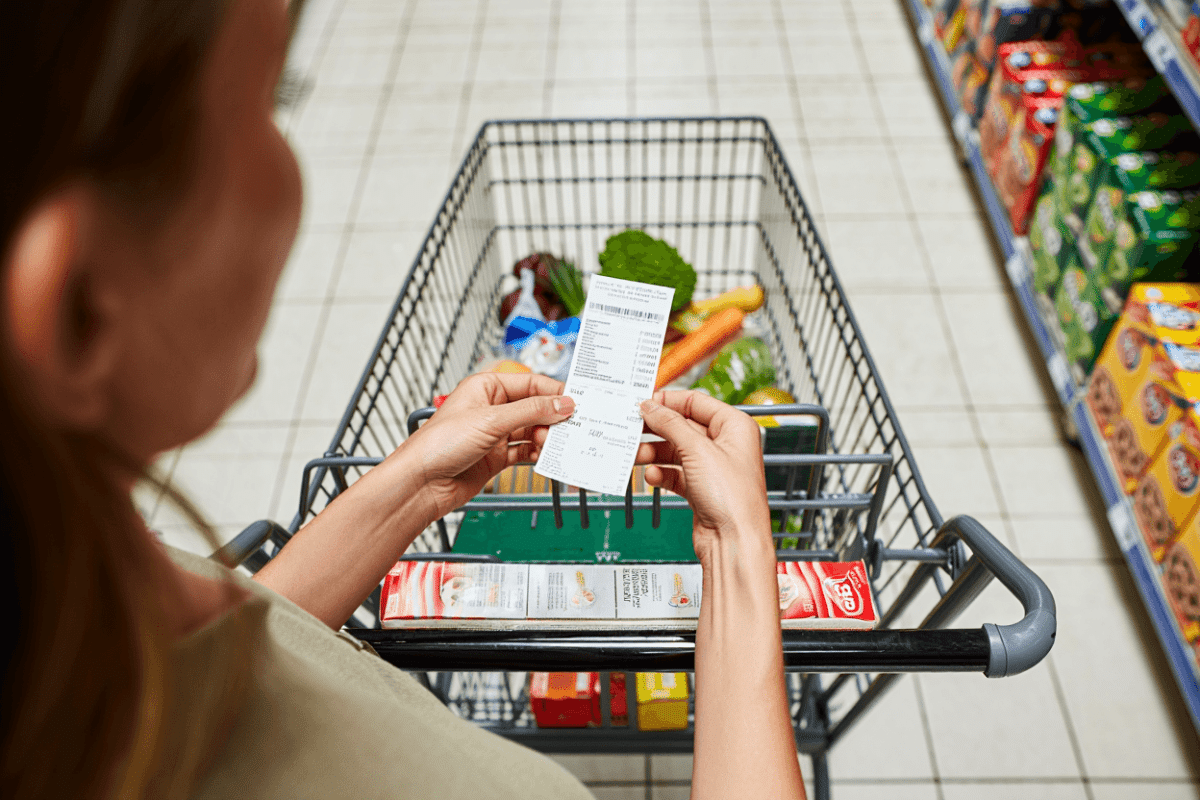
American consumers ranked buying store-brand products as their top money-saving strategy in May 2026, with 95% of households actively switching from name brands to private labels. Coupons and promo codes emerged as the second most-used tactic, demonstrating how frugal spending habits have become mainstream across all income levels. This dual approach to saving money reflects a fundamental shift in how households approach budgeting amid persistent inflation and stagnant wage growth.
🔥 Quick Facts
- 95% of consumers actively buy store-brand or generic products.
- 88% of shoppers plan to increase or maintain private label spending in 2026.
- 75% of consumers believe store brands are equal in quality to name brands.
- Store-brand growth has outpaced national brand sales by nearly 3 times since 2024.
- $330 billion in U.S. private-label sales reached in 2026 year-to-date.
Why Store Brands Have Become the Default Choice
The transition from premium to private-label shopping represents a significant behavioral change in American consumer patterns. Private label manufacturers have transformed their market positioning from “budget alternative” to genuine value competitor. Historical context reveals that store brands occupied less prestigious shelf space a decade ago, but quality improvements and inflation have eliminated the traditional perception gap.
According to market research, the recent personal savings rate drops to 2.6% in April, forcing households to make deliberate choices about where to cut costs. Store brands allow consumers to maintain purchasing power without sacrificing significantly on quality, making them an economically rational choice rather than a stigmatized compromise.
The Private Label Manufacturers Association reports that store-brand item sales increased nearly three times faster than national brand sales from 2024 to May 2026. This acceleration reflects both consumer confidence in private-label quality and genuine economic pressure pushing purchasing decisions.
Coupons Meet Store Brands: The Winning Combination
Digital coupon platforms and store loyalty programs have amplified the effectiveness of frugal shopping strategies. When consumers combine coupon usage with store-brand purchases, the cumulative savings multiply. Research from March 2026 identified that shoppers using both tactics simultaneously achieve average savings of 30-50% compared to buying name-brand items without discounts.
Promotional technology has democratized access to savings previously available only to extreme couponers. Mobile apps automatically apply digital coupons at checkout, eliminating the paper-cutting step that historically deterred mainstream adoption. Ibotta’s 2026 Consumer Spend Report ranks coupon and promo code usage as the second-most effective savings strategy among survey respondents.
Store-specific loyalty programs have proven particularly potent. Retailers like Walmart, Target, and Kroger now integrate exclusive digital offers that stack with manufacturer coupons, creating compounding discounts unavailable through traditional methods.
Private Label Product Performance: Quality Metrics and Consumer Confidence
Quality parity between store brands and name-brand equivalents has strengthened consumer confidence in switching. Consumer Reports conducted comparative testing finding that in blind taste tests, store brands tied with name brands in approximately 50% of evaluated products, with store brands winning in taste tests for specific categories including oils, paper products, and basic staples.
| Category | Store Brand Cost Savings | Quality Parity Rating |
| Spray Cheese | 52.8% Less | High Equivalence |
| Cola (12-pack) | 40-45% | Consumer Satisfaction High |
| Cooking Oils | 35-40% | Quality Superior |
| Dairy Products | 25-35% | Meets Standards |
| Household Cleaners | 30-45% | High Effectiveness |
Marketing research from April 2026 found that 69% of U.S. adults report actively buying more store-brand products than in previous years. Numerator’s private label dashboard tracks ongoing performance metrics showing that 55% of consumers can no longer justify premiums on branded products when direct equivalents exist in store brands.
One critical driver of store-brand adoption involves understanding ingredient sourcing. Many private-label products share identical manufacturing facilities and ingredient suppliers with name brands, creating functional equivalence at lower price points. Industry analysis suggests that lower costs stem from reduced marketing expenditures rather than inferior ingredients or processes.
The Broader Frugal Shopping Landscape in 2026
American households reported cutting spending across multiple categories in 2026. Survey data from March 2026 shows 63% of consumers reduced clothing purchases, 60% decreased entertainment and subscription expenses, and 60% cut grocery spending through tactical choices rather than reduced meals. Coupons and promotions ranked alongside store brands as primary mechanisms for achieving these reductions.
The data shows 60% of Americans remain uncomfortable with emergency fund levels, creating psychological urgency around immediate cost reduction. Store brands and coupons represent accessible tactics that deliver visible savings without requiring complex financial restructuring or lifestyle changes.
“Private label has shifted from being perceived as a temporary sacrifice during tough times to becoming the default choice for nearly half of global shoppers. Younger consumers especially view store brands as equivalent or superior to name brands.”
— Simon-Kucher Analysis, Global Private Label Trends Report 2026
Strategic Implementation: How to Maximize Savings
Effective frugal shopping combines multiple techniques systematically. Expense tracking data demonstrates that households implementing store-brand switching alone save approximately 20-30% on grocery bills, while adding coupon strategies increases total savings to 35-45%. The key involves strategic category selection rather than blanket substitution.
Expert recommendations emphasize that store brands perform exceptionally well in commodity categories (flour, sugar, cooking oils, spices) where fewer proprietary processes differentiate products. Categories requiring premium ingredients (specialty sauces, organic products, health-specific items) sometimes justify name-brand purchases or mid-tier store brands.
Digital integration has simplified coupon management. Loyalty program apps now include digital coupon curation, automatic application at checkout, and personalized offers based on purchase history. Studies from 2026 show that consumers using digital coupon tools consistently outperform paper-coupon users by significant margins.
What This Shift Means for Consumer Economics Through 2026
Store-brand adoption represents a rational consumer response to economic constraints rather than temporary belt-tightening. Historical purchasing patterns indicate that once consumers switch to store brands and experience satisfaction, they rarely return to premium brands for identical products. Industry analysts predict that private-label market share will continue expanding as quality consistency improves and consumer confidence solidifies.
Retailers have invested heavily in private-label quality, recognizing that store brand loyalty converts to increased customer retention and reduced shopping around. Economic projections suggest that store-brand penetration will continue climbing even if inflation moderates, as consumer expectations have fundamentally shifted regarding value perception and quality standards.
The combination of store brands plus coupons has become embedded in mainstream American household budgeting strategy. What began as an inflation response has evolved into a permanent consumer preference shift that will shape retail economics for years ahead.
Sources
- Yahoo Finance / GoBankingRates – 5 Frugal Habits Americans Are Turning To as Costs Climb in 2026
- Simon-Kucher – Global Private Label Trends 2026 Market Analysis
- Ibotta – 2026 State of Consumer Spend Report
- Marketing Charts / Numerator – Private Label Trends and Consumer Sentiment Data
- The Kitchn / Consumer Reports – Store Brand vs. Name Brand Quality Comparison
- Consumer Reports – Store-Brand Grocery Items and Quality Assessment
- Food Business News – Perception Shifts in Private Label Products (May 2026)