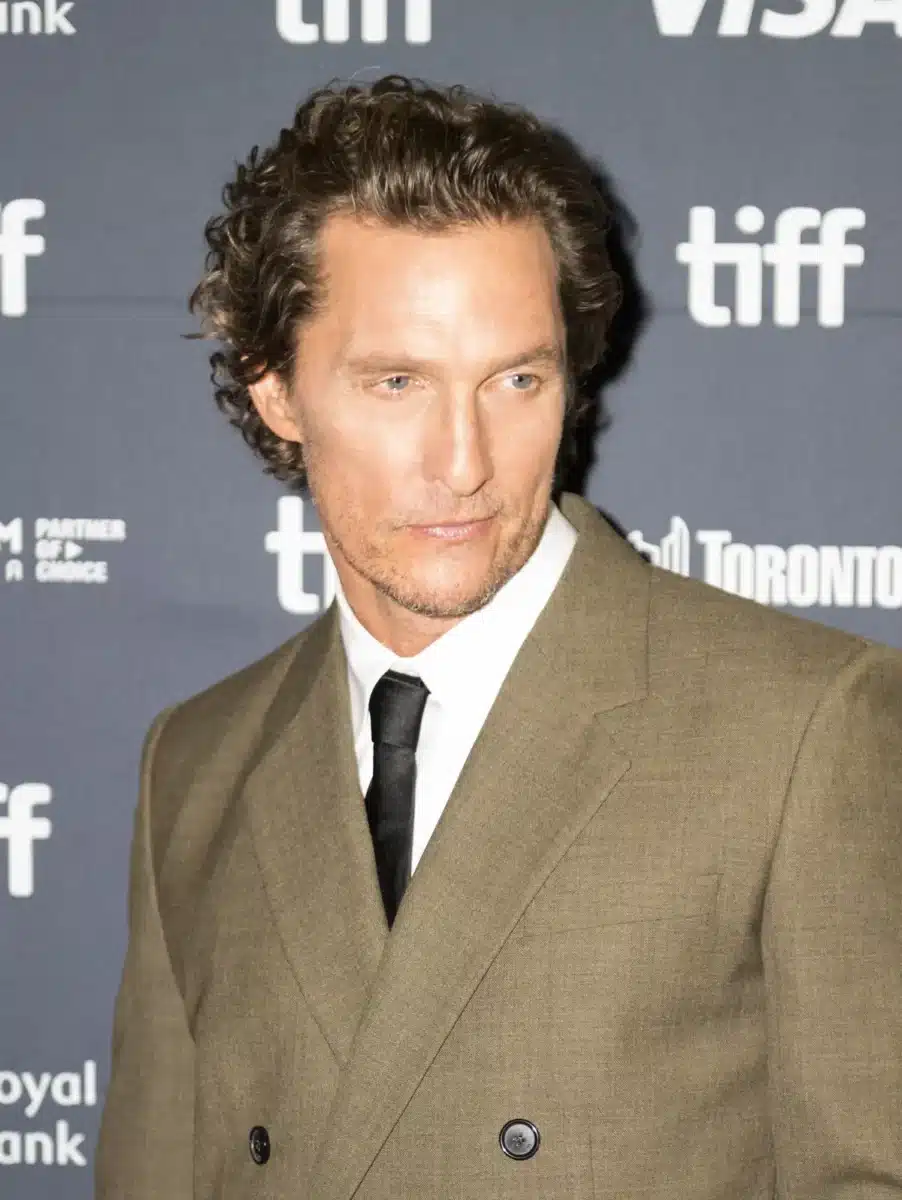
Warren Buffett warned on May 2, 2026, that investors have reached peak gambling sentiment in markets, declaring “we’ve never had people in a more gambling mood than now.” Even as the S&P 500 posted its eighth consecutive weekly gain in May, Berkshire Hathaway continued building its record cash position to $397 billion—signaling the legendary investor’s deep skepticism about current valuations and risk appetite in equities.
🔥 Quick Facts
- Buffett stated on May 2, 2026 that market participants are in the most gambling-oriented mood ever recorded
- Berkshire’s cash reserves hit $397 billion in Q1 2026, an all-time high
- Buffett Indicator stands at 229.5% as of May 2026, indicating significant overvaluation
- One-day options and prediction markets are primary targets of Buffett’s gambling critique
- New CEO Greg Abel is implementing a “patience-first” capital deployment strategy
The Casino-Like Market Environment Buffett Observes
Warren Buffett has long compared traditional markets to “a church with a casino attached.” His May 2026 warning suggests that the boundary between investing and pure speculation has collapsed entirely. The catalyst for his alarm centers on explosive growth in one-day options trading and prediction markets—financial instruments that function more as betting mechanisms than wealth-building vehicles.
The distinction matters. Traditional equity investing rewards patience and fundamental analysis. Options contracts with single-day expiration windows eliminate holding periods and reward pure directional guesses on stock movements. Prediction markets—digital platforms allowing bets on everything from election outcomes to AI breakthroughs—have normalized financial speculation as entertainment. For an investor who built Berkshire Hathaway on decades-long conviction positions, this represents a fundamental shift in market psychology.
Why Berkshire Refuses to Deploy: The Valuation Thesis
Buffett’s reluctance to spend $397 billion in accumulated cash reveals his conviction that U.S. equities remain substantially overpriced. The Buffett Indicator—which measures total stock market capitalization against U.S. GDP—reached 229.5% in May 2026, placing valuations in historic extreme territory.
Historical context proves instructive. Buffett previously deployed massive cash reserves during the financial crisis of 2008-2009, when valuations collapsed below 50% of GDP. He also built positions aggressively after March 2020 pandemic lows. The current 229.5% reading suggests valuations would need to decline 65-75% from current levels to reach the thresholds where Buffett typically considers opportune entry points.
According to recent market developments showing record closes and consecutive weekly gains, the stock market continues climbing despite these valuation concerns—a disconnect Buffett views as evidence of speculation rather than rational pricing.
The Numbers: Market Conditions vs. Investment Opportunity
| Metric | Current (May 2026) | Buffett Deployment Threshold |
| Buffett Indicator (Market/GDP) | 229.5% | 100-125% |
| Berkshire Cash Position | $397 billion | Waiting for 40-50% market decline |
| One-Day Options Volume | Record highs | Not applicable (gambling concern) |
| S&P 500 Weekly Gains | 8 consecutive positive weeks | N/A (Buffett skeptical of sustainability) |
| New CEO Leadership | Greg Abel (since Jan 2026) | Replicating Buffett’s patience doctrine |
The table illustrates the massive gap between current valuations and Buffett’s historical entry thresholds. Berkshire would need to witness valuations decline by nearly half before cash deployment becomes attractive at traditional Buffett-endorsed levels.
Succession Under Greg Abel: Patience as Strategy
Greg Abel, who assumed the CEO role in January 2026 following Buffett’s stepping down at year-end 2025, has already signaled continuity in the company’s disciplined approach. Abel’s first shareholder letter emphasized stewardship, culture preservation, and capital patience—eschewing the temptation to deploy cash for acquisitions simply because the opportunity existed.
This represents a deliberate rejection of growing market pressure. Wall Street analysts and some shareholders have criticized Berkshire for “hoarding” cash, arguing that deploying it into the strong bull market would boost near-term returns. Abel and the board have resisted, reinforcing Buffett’s foundational principle: having dry powder for genuine opportunities matters more than maximizing quarterly gains.
One-Day Options: The Symptom of Market Excess
Buffett’s specific focus on one-day options and prediction markets highlights a structural change in market participation. Traditional options contracts last weeks or months, requiring some commitment. Single-day expiration options allow retail and institutional traders to make directional bets with minimal friction—placing a $1,000 bet on a stock moving $0.50 within 24 hours.
The explosive growth in this segment reveals three truths Buffett finds concerning: (1) retail investors increasingly treat market participation as gambling rather than wealth building; (2) pricing mechanisms privilege short-term volatility over long-term fundamentals; and (3) leverage and complexity have become normalized, increasing systemic risk when sentiment reverses.
As broader financial data shows evolving consumer behavior and economic pressures, the reliance on speculative trading instruments raises questions about underlying economic health masked by surface-level market strength.
What Happens When the Mood Shifts?
History demonstrates that markets powered by gambling sentiment invite sharp reversals. During 2000-2002, the dot-com crash erased $5 trillion in wealth. The 2008 financial crisis destroyed $16 trillion globally. Both episodes featured warning signs that most participants dismissed: Buffett saw them clearly.
The $397 billion cash position serves as an implicit options contract—Buffett’s bet that significant market declines will arrive eventually. When they do, Berkshire will have the firepower to acquire assets at rational valuations while most competitors scramble for liquidity. This strategy has defined Buffett’s 60-year track record and explains his legendary returns.
CEO Abel has inherited this patient capital doctrine and shows every indication of maintaining it, despite an environment where Wall Street celebrates speculative fervor rather than valuation discipline.
Can the Gambling Mood Persist, or Is a Correction Inevitable?
The answer likely depends on how long one-day options volumes, prediction market participation, and retail trading enthusiasm can sustain current valuations. Buffett’s warnings suggest he believes the trend is self-correcting—that overextension in any market eventually triggers the reverse psychology from greed to fear.
If Buffett is correct, the $397 billion waiting in Berkshire’s vaults represents the most powerful advantage in investing: capital ready when others are forced to sell. If he’s wrong—if this represents a permanent shift in market behavior—then his patient strategy will face its greatest test since 2020.
Most market observers believe Buffett’s track record justifies giving his concerns serious weight. Whether current market participants agree remains the defining question for mid-to-late 2026.
Sources
- Fortune – Warren Buffett gambling mood and one-day options analysis (May 2, 2026)
- Fool.com – Buffett’s warnings on investor speculation (May 5, 2026)
- Advisor Perspectives – Buffett Indicator valuation analysis at 229.5% (May 2026)
- Yahoo Finance – Berkshire Hathaway $397 billion cash position confirmation (May 2026)
- Acquirer’s Multiple – Greg Abel capital allocation strategy and patience doctrine