
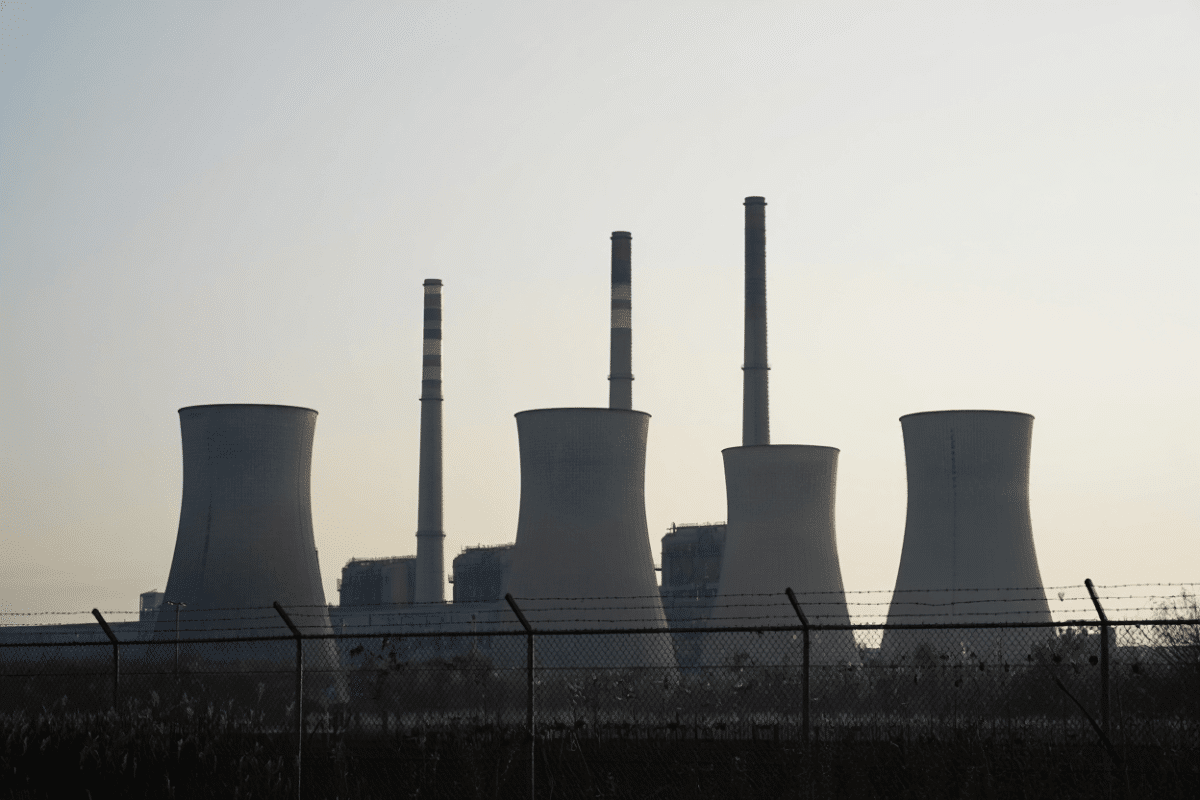
The U.S. Energy Department issued a new emergency order on June 12, 2026, directing TransAlta to keep Unit 2 of the Centralia Generating Station in Washington available to operate through September 12, 2026, extending a series of federal directives that have kept the state’s last coal plant running past its planned retirement.
Energy Secretary Chris Wright invoked Section 202(c) of the Federal Power Act to issue the order, which takes effect June 15. The 730-megawatt coal-fired facility in Centralia was originally scheduled to shut down at the end of 2025 under Washington state law, but the Trump administration has repeatedly blocked that closure through emergency orders.
This is the third such order for the Centralia plant. Wright first issued a 90-day emergency directive on December 16, 2025, ordering TransAlta to keep Unit 2 available to operate. The Department of Energy extended that order on March 16, 2026, keeping the plant running through June 14, 2026. The latest order continues the mandate through mid-September.
The DOE justifies the orders by citing grid reliability concerns in the Pacific Northwest. “The reliable supply of power from the Centralia plant is essential to maintaining grid stability across the Northwest, and this order ensures that the region avoids unnecessary blackout risks and costs,” Wright said in a March announcement. The department argues that blackouts were on track to increase significantly without these emergency measures.
The repeated extensions reflect a broader Trump administration strategy to prevent coal plant retirements nationwide. Since January 2025, Secretary Wright has issued emergency orders blocking the shutdown of six coal-fired power plants across the country. According to the Institute for Energy Economics and Financial Analysis, the cost of these coal plant emergency orders has already exceeded $300 million.
The Centralia orders have drawn fierce opposition from Washington state officials and environmental groups. The state’s Attorney General has challenged the orders in court, arguing they violate state law and exceed the DOE’s authority. Environmental Defense Fund data shows that the plant has not generated any power during the previous emergency period, despite being ordered to remain operational. TransAlta has asked federal regulators for permission to recover nearly $20 million in costs incurred by delaying the plant’s retirement.
Washington state enacted a law in 2019 requiring the closure of all coal-fired plants by 2026, part of a broader commitment to carbon-neutral electricity by 2030. The Centralia plant, which has operated since 1972, was a key target of that policy. TransAlta announced in December 2025 plans to convert the unit from coal-fired to natural gas-fired generation, subject to regulatory approval, with the conversion expected to be complete by 2028.
Sources
- Department of Energy — June 12, 2026 emergency order (202-26-28) and March 16, 2026 order (202-26-18) details; Energy Secretary Wright statements on grid reliability and coal plant operations
- E&E News by POLITICO — Federal Power Act Section 202(c) authority and Trump administration’s use of emergency orders
- Inside Climate News — Washington state law requiring coal plant closures by 2026 and state energy policy context
- RTO Insider — TransAlta’s request to recover $20 million in costs from delaying plant retirement
- Environmental Defense Fund — Data on plant output during previous emergency periods and environmental group opposition
- Institute for Energy Economics and Financial Analysis — Cost of coal plant emergency orders exceeding $300 million










