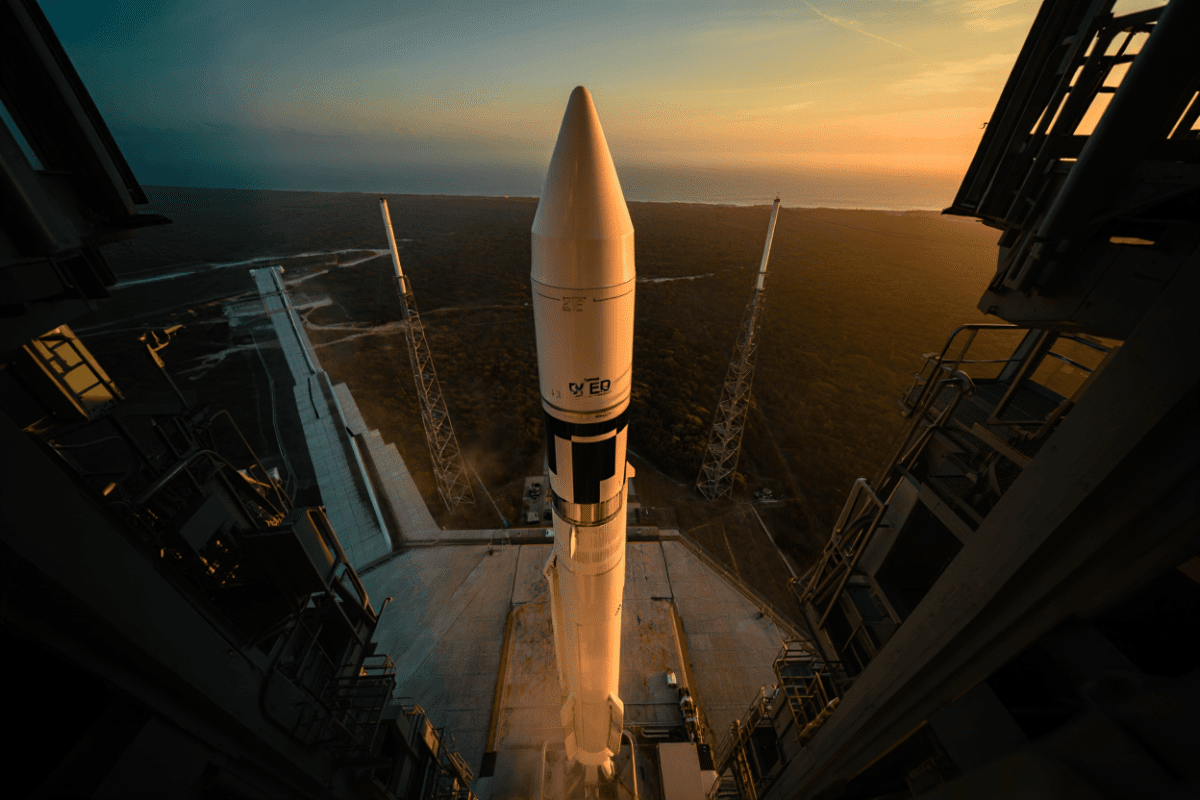
SpaceX is launching Starship Flight 12 from its Starbase facility in Boca Chica, Texas today at 3:30 PM PDT (6:30 PM ET). This represents the company’s comeback attempt after scrubbing the first launch window yesterday. The twelfth integrated flight test will deploy the Starship Version 3 design, featuring an upgraded Super Heavy V3 booster and Ship 39 upper stage. Success on this mission hinges on executing critical maneuvers including stage separation, boostback burns, and precision landing procedures that will help SpaceX validate next-generation reusability architecture.
🔥 Quick Facts
- Launch window opens at 3:30 PM PDT with a 90-minute launch window available until 5:00 PM PDT on May 22, 2026
- First scrub occurred on May 21 during initial launch attempt from Starbase’s Pad 2
- Starship Flight 11 achieved 11 total flights with a track record of 6 successful missions and 5 failures since the program began
- Flight 10 (August 26, 2025) succeeded with full-duration ascent burn and successful suborbital trajectory achievement
- Version 3 represents major redesign with enhanced booster capability and refined ship architecture for rapid reusability
Starship’s Evolution: From Flight 1 to Flight 12
SpaceX has made substantial strides in Starship development over 11 previous flight tests spanning multiple design iterations. The first five flights used the Block 2 configuration, while more recent tests introduced increasingly refined hardware and testing objectives. Flight 10 in August 2025 proved particularly significant—for the first time, the Starship upper stage achieved full-duration ascent burn and maintained control throughout reentry, establishing a new baseline for vehicle maturity.
The shift to Version 3 hardware marks a watershed moment. This design incorporates lessons from previous test failures and successes, with particular emphasis on booster recovery capability and thermal protection system validation. Earlier flights in 2025 managed basic objectives like controlled flight and stage separation; Flight 12 targets the next tier of complexity: successful boostback burns at scale and landing burn execution in realistic conditions.
Today’s Flight 12 Mission Profile and Test Objectives
Flight 12’s primary test objective centers on validating the complete ascent sequence with the redesigned Super Heavy V3 booster. The booster must execute launch, ascent, stage separation, boostback burn, and landing burn at an offshore recovery zone. Meanwhile, the Ship 39 upper stage will pursue full-duration burn, payload deployment simulation, and controlled reentry maneuvers.
This is where SpaceX’s engineering advances become evident. Unlike earlier flights that prioritized simply achieving liftoff or reaching space, Flight 12 emphasizes precision trajectory management and the booster’s ability to perform complex terminal descent burns. The offshore landing site proves critical—it provides a realistic recovery scenario while avoiding populated areas, and successful booster landing here would represent a major architectural milestone for future lunar and Mars missions.
Additionally, two modified Starlink satellites will be carried as secondary payloads to test heat shield scanning and imagery transmission technologies. According to SpaceX’s mission documentation, these satellites will attempt to image Starship’s heat shield during reentry, generating data that engineers can analyze to refine thermal protection strategies for future missions.
Key Performance Metrics and Mission Data
Here’s how Flight 12’s specifications compare to historical baseline parameters:
| Metric | Value / Status |
| Launch Date & Time | May 22, 2026 at 3:30 PM PDT |
| Launch Window Duration | 90 minutes (3:30 PM – 5:00 PM PDT) |
| Rocket Configuration | Super Heavy V3 + Ship 39 |
| Booster Designation | Booster 19 (Version 3 build) |
| Launch Site | Starbase Pad 2, Boca Chica, Texas |
| Rocket Height | 407 feet (124 meters) |
| Primary Booster Objective | Ascent, separation, boostback, landing burn |
| Ship Primary Objective | Full-duration burn and reentry trajectory |
| Previous Flight Test Record | 11 launches (6 successful, 5 failures) |
| Most Recent Success | Flight 10 on August 26, 2025 |
The 407-foot tall rocket represents roughly the scale of a Saturn V, making today’s test a significant engineering undertaking. Pad 2 at Starbase was purpose-built to handle Starship’s unique operational demands, including rapid pad turnover and the massive thermal loads from ground-venting the engines.
Industry Context: What This Launch Means for Commercial Spaceflight
Flight 12 arrives at a pivotal moment for commercial space architecture. While SpaceX refines Starship for cargo and crew missions, other players like ASTS are expanding satellite constellation capabilities through regulatory approvals, signaling broader investor confidence in recurring space operations. The successful booster landing SpaceX pursues today would reinforce the economic case for reusable launch vehicles—a cornerstone assumption of nearly every commercial space company’s business plan.
Historical context matters here. Starship’s fifth flight (August 2024) achieved the first booster catch by the launch tower’s mechanical arms. Flight 12 won’t attempt a tower catch today but will instead execute a seawater landing, arguably a harder test for demonstrating the booster’s autonomous guidance and terminal descent systems. If both stages perform nominally, SpaceX gains data applicable to future Earth-to-Earth rapid reusability, lunar logistics operations, and deep-space missions.
What Success Looks Like at 3:30 PM PDT Today
Engineers monitoring Flight 12 will track dozens of success criteria. For the booster: proper Raptor engine ignition, stable ascent, timely shutdown, effective boostback burn, and a controlled landing burn leading to intact seawater impact or splashdown. For the ship: similar engine performance, full-duration main engine burn, stable coasting phase, reentry guidance accuracy, and thermal protection system integrity evidenced by heat shield telemetry from the onboard Starlink satellites.
A nominal flight would far exceed yesterday’s scrub conditions and pave the way for more ambitious objectives on Flight 13. However, spaceflight remains inherently risky—earlier Starship flights between 2023 and 2025 experienced several stage losses and uncontrolled reentries, reminding teams that perfect execution at this scale remains elusive.
“The booster’s primary test objective will be executing a successful launch, ascent, stage separation, boostback burn, and landing burn at an offshore landing zone.”
— SpaceX Mission Documentation, Starship Flight 12 Official Page
How to Watch Starship Flight 12 from Your Location
Live coverage begins approximately 45 minutes before launch via SpaceX.com, YouTube, and major news outlets. For US viewers, the launch occurs at 3:30 PM PDT (6:30 PM ET, 5:30 PM CT). Weather at Boca Chica has been assessed as favorable based on recent reports, though high winds or atmospheric conditions could trigger last-minute delays reminiscent of yesterday’s scrub.
For those near the Texas Gulf coast, South Padre Island and nearby viewing spots offer unobstructed skyline vantage points. Charter boat services routinely provision viewing tours, though SpaceX’s exclusion zone prohibits closer approaches than established maritime boundaries. Remote viewers worldwide can access streaming feeds from news networks and aerospace analysis channels for real-time mission commentary and telemetry breakdowns.
Why This Test Matters for Mars and Beyond
Starship is central to SpaceX’s long-term vision: delivering cargo and astronauts to the Moon, establishing a Lunar Gateway station, and eventually landing humans on Mars in the 2030s. Each flight test, whether successful or failed, yields data that refines propulsion, guidance, thermal protection, and landing algorithms. Flight 12’s booster landing attempt directly supports that vision by validating engine restart capability and precision descent from hypersonic speeds—technologies essential for both lunar lander operations and Mars surface precision placement.
The broader commercial spaceflight ecosystem, including satellite operators and constellation companies expanding Earth orbit access, benefits from SpaceX’s validation of reusable, high-cadence launch architecture. If Flight 12 achieves its primary objectives, expect industry momentum to accelerate rapidly, spurring further investment and mission-planning cycles across the sector.
Sources
- SpaceX – Official Starship Flight 12 mission documentation and launch procedures
- Space.com – Real-time launch updates and timeline analysis
- Spaceflight Now – Historical Starship flight test compilation and technical specifications
- NextSpaceFlight – Mission profile data and rocket specifications
- Wikipedia / List of Starship Launches – Flight test history and performance records