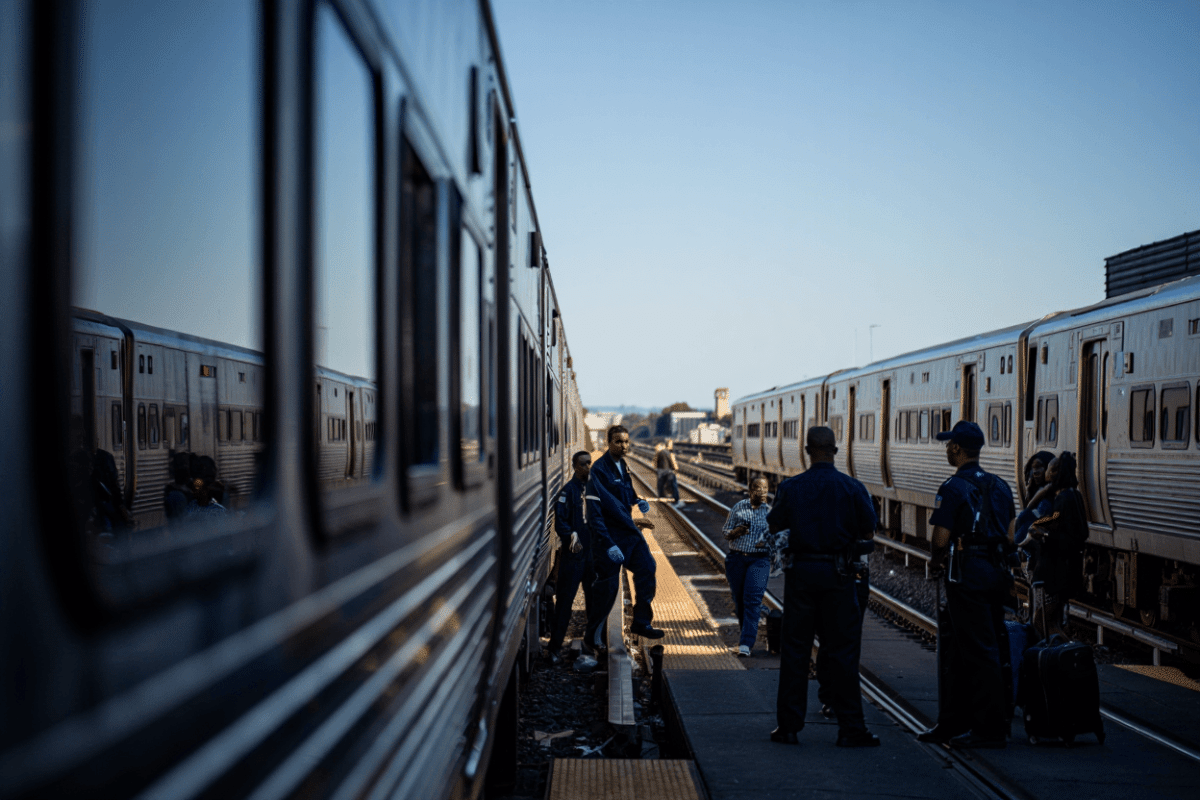
The Long Island Rail Road strike has officially concluded after three days of labor protests that disrupted North America’s busiest commuter rail system. The Metropolitan Transportation Authority (MTA) and five labor unions representing over 3,500 employees reached a tentative agreement on May 18, 2026, ending the first strike in the LIRR’s recent history and restoring service on Tuesday morning. The settlement centers on wage increases, benefits protections, and job security—marking a significant outcome for workers who had been without a new contract since 2022.
🔥 Quick Facts
- Strike duration: 3 days starting Saturday May 16 at 12:01 AM
- Workers involved: 3,500+ LIRR employees across five union organizations
- Economic impact: $61 million per day in lost regional commerce
- Contract agreement: 4.5% wage increase plus extended terms through 2026
- Service restored May 20, 2026 following ratification announcement
The Three-Day Standoff: What Led to the Strike
The LIRR strike represented the first major labor action on the commuter rail system in decades, reflecting years of contract negotiation deadlock between the MTA and five labor unions. Workers had not received a wage increase since 2022, and contract talks that began in 2023 had stalled over fundamental disputes regarding salary increases, healthcare cost-sharing, and job protection guarantees. The unions initially demanded wage increases of up to 14.5% over four years, citing inflation impacts and wage stagnation, while MTA officials countered with proposals between 3% to 9.5%. This impasse prompted union leadership to initiate strike action at 12:01 AM on Saturday, May 16, effectively shutting down service across the extensive LIRR network connecting Long Island to New York City.
Inside the Settlement Terms: Wage Increases and Benefits
The tentative agreement announced on May 18 represents what MTA and union sources characterized as a “middle ground” solution after intensive negotiations conducted during the three-day strike. The deal guarantees a 4.5% wage increase for workers, a significant concession from the MTA’s initial position but below the unions’ opening demand. Beyond wages, the agreement extends existing contract terms through an additional six weeks while permanent contract language is finalized. Union leadership emphasized that the settlement protects critical employee benefits and addresses staffing and overtime concerns—issues that had become increasingly contentious in the prior three years of negotiations. Job protections for transit workers have become a national priority amid broader workforce shifts, making this agreement locally significant for Long Island communities.
Economic Impact and Regional Disruption
During the three-day strike period, the regional impact was severe and immediate. Economists estimated the work stoppage cost New York’s economy approximately $61 million per day in lost commerce, disrupted commutes, and foregone business activity. The statistics underscored the LIRR’s critical infrastructure role: the system carries over 300,000 commuters daily connecting Long Island’s residential and employment centers to Manhattan and other transit hubs. Governor Kathy Hochul called the settlement a “fair deal” that restored service while honoring worker compensation demands. Business leaders, commuters, and regional transit officials expressed relief when service resumed on Tuesday morning, May 20, allowing the metropolitan region to return to normal operational capacity.
| Agreement Element | Details |
| Wage increase | 4.5% over contract term |
| Contract extension | Six weeks additional duration |
| Unions represented | Five labor organizations |
| Workers affected | 3,500+ employees |
| Strike start date | May 16, 2026 at 12:01 AM |
| Agreement date | May 18, 2026 |
| Service resumption | May 20, 2026 |
“We are pleased to have reached a tentative agreement that provides a fair deal for our hardworking employees while maintaining the financial stability necessary to serve our region.”
— MTA and Union Leadership Joint Statement, May 18, 2026
Broader Context: Strike Avoidance and Long-Term Workforce Stability
The LIRR strike resolution carries implications extending beyond immediate contract terms. Transit labor actions have become increasingly common nationwide as workers push back against wage stagnation and rising benefits costs. The settlement demonstrates that intensive, focused negotiation during a crisis period can yield compromise solutions acceptable to both management and labor representatives. The agreement also signaled the MTA’s acknowledgment of worker compensation concerns in an inflationary environment—a concession that may influence future transit labor negotiations across the New York metropolitan region. The five-union coalition that coordinated this strike showed substantial organizational capacity and member solidarity, factors that strengthen labor’s position in future contract cycles.
What This Settlement Means for LIRR Commuters and the Regional Economy
For the 300,000+ daily LIRR riders, the agreement’s completion restored predictable commute schedules and service reliability starting immediately after May 20. The MTA announced passenger refunds for those directly impacted by the three-day service suspension. Beyond individual commuters, regional employers, schools, and commercial operations dependent on LIRR connectivity resumed full operations without extended disruption. The settlement’s terms ensure wage stability for workers, reducing likelihood of future labor actions driven by compensation grievances. However, the underlying tensions regarding healthcare benefits cost-sharing and overtime management remain partially unresolved in the six-week extension period, suggesting continued negotiation will be necessary when permanent contract language is finalized in coming weeks.
Sources
- Newsday – Reporting on 4.5% wage increase and contract extension terms
- CBS New York – Governor Hochul statement and tentative agreement confirmation
- The New York Times – Historical context and regional economic impact analysis
- NBC New York – Live strike updates and service resumption timeline
- MTA Official Communications – Passenger refund announcements and service status
- ABC7 New York – Multi-day strike coverage and negotiation developments