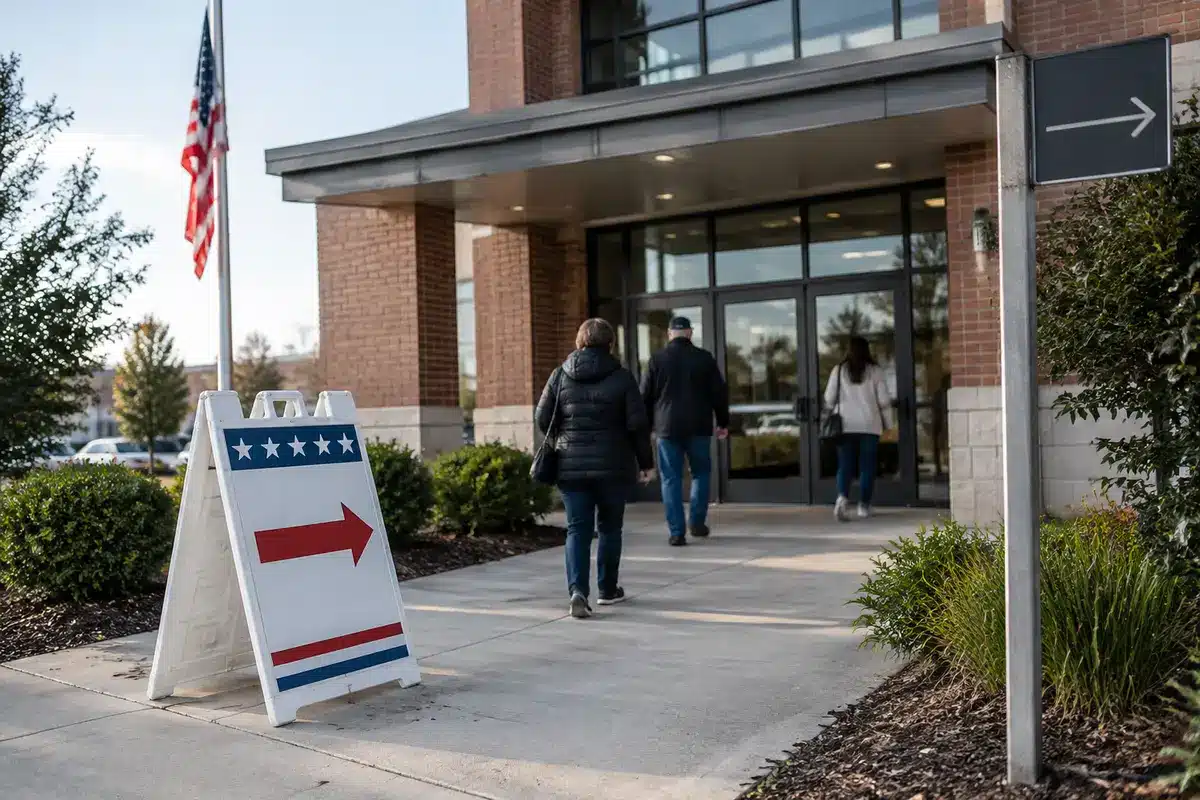
Cryptocurrency ATM fraud has exploded into a $333 million crisis in 2025, with criminals targeting vulnerable Americans at kiosks nationwide. States are now moving aggressively to shut down the machines entirely. Here’s what changed the game.
🔥 Quick Facts
- Total Losses: Americans lost $333 million to crypto ATM scams in 2025 alone, per FBI data
- Vulnerable Target: Adults over 60 account for 86 percent of reported losses, according to AARP
- State Bans: Tennessee, Indiana, and Minnesota have now completely banned crypto ATMs
- Protection Laws: South Dakota mandates full refunds and caps daily transactions at $1,000
The Perfect Fraud Machine Gets Exposed
Crypto ATMs have become the scammer’s favorite tool, surpassing traditional wire fraud methods. Unlike bank systems with built-in protections, these kiosks operate with minimal oversight. Once a transaction completes, money disappears into the blockchain, making recovery virtually impossible.
The FBI first documented the surge in 2024, when fraud losses jumped to $114 million that year alone. By 2025, the crisis had tripled, shocking regulators and forcing emergency legislative action across multiple states.
Why Seniors Are Targeted Everywhere
Scammers use classic impersonation tactics: fake IRS calls, fake grandchild emergencies, fake bank alerts. The difference now is the location. Instead of directing victims to wire money, criminals send them to convenience store crypto ATMs where employees see transactions daily.
The median loss per victim reaches approximately $2,000 to $5,000, with some elderly victims losing tens of thousands. Older adults are statistically less familiar with digital assets, making them easy targets for seemingly legitimate requests.
State Crackdown Timeline and Latest Protections
| State | Action Taken | Effective Date |
| Tennessee | Complete ban on crypto ATM operations | July 1, 2026 |
| Indiana | Statewide prohibition | 2026 |
| South Dakota | Refund mandates and transaction caps | April 2026 |
| California | Kiosk operator licensing required | July 1, 2026 |
| New Hampshire | 14-day reimbursement for reported fraud | 2026 |
“Cryptocurrency kiosks have become the preferred payment portal for scammers. The explosion in losses isn’t slowing down, and the damage to seniors is devastating.”
— Federal Trade Commission, Data Spotlight Report
How Warning Labels Already Cut Fraud by 90 Percent
San Antonio became a testing ground for real solutions. In May 2026, the city council approved mandatory fraud warning signs at all crypto ATMs. The pilot program showed stunning results. Since implementation, reported scam losses in the area dropped dramatically, proving visibility works.
The warning strategy is simple: place clear notices at the machine, require operators to explain risks, and mandate that customers sign acknowledgments. Early data suggests warnings reduce fraud attempts by as much as 90 percent. This success is spurring other cities to adopt similar measures.
Is Congress Finally Acting on Crypto ATM Fraud?
Federal lawmakers are moving fast. The Crypto ATM Fraud Prevention Act and S.710 both propose adding multiple layers of protection. Proposed measures include mandatory verification procedures, transaction limits for high-risk users, and real-time fraud reporting to law enforcement.
What would these bills actually do? Require identity verification before transactions, impose daily and monthly spending caps, create a federal registry of ATM operators, and establish rapid dispute resolution for victims. Industry groups are pushing back, but momentum is building for comprehensive federal regulation before 2026 closes.
Will Your State Ban Crypto ATMs Next?
Vermont extended its moratorium on new crypto kiosks through July 2026. Massachusetts sued a major ATM operator in March 2026. New York, California, and Florida are all considering restrictions. The pattern is clear: states are treating crypto ATMs as a public safety crisis, not a consumer choice.
Your state’s next move depends on pressure from law enforcement and consumer advocacy groups like AARP, which is actively fighting for nationwide protections. If your parents or grandparents use crypto ATMs, report suspicious activity to local police and the FBI’s Internet Crime Complaint Center (IC3). Every report strengthens the case for stricter regulation.
Watch How Scammers Exploit Crypto ATMs

Sources
- FBI Internet Crime Complaint Center – $333 million loss data in 2025 and impersonation fraud tactics
- AARP – Senior vulnerability statistics and state-by-state legislative tracking
- Federal Trade Commission (FTC) – Consumer Sentinel fraud reports and Bitcoin ATM payment portal analysis