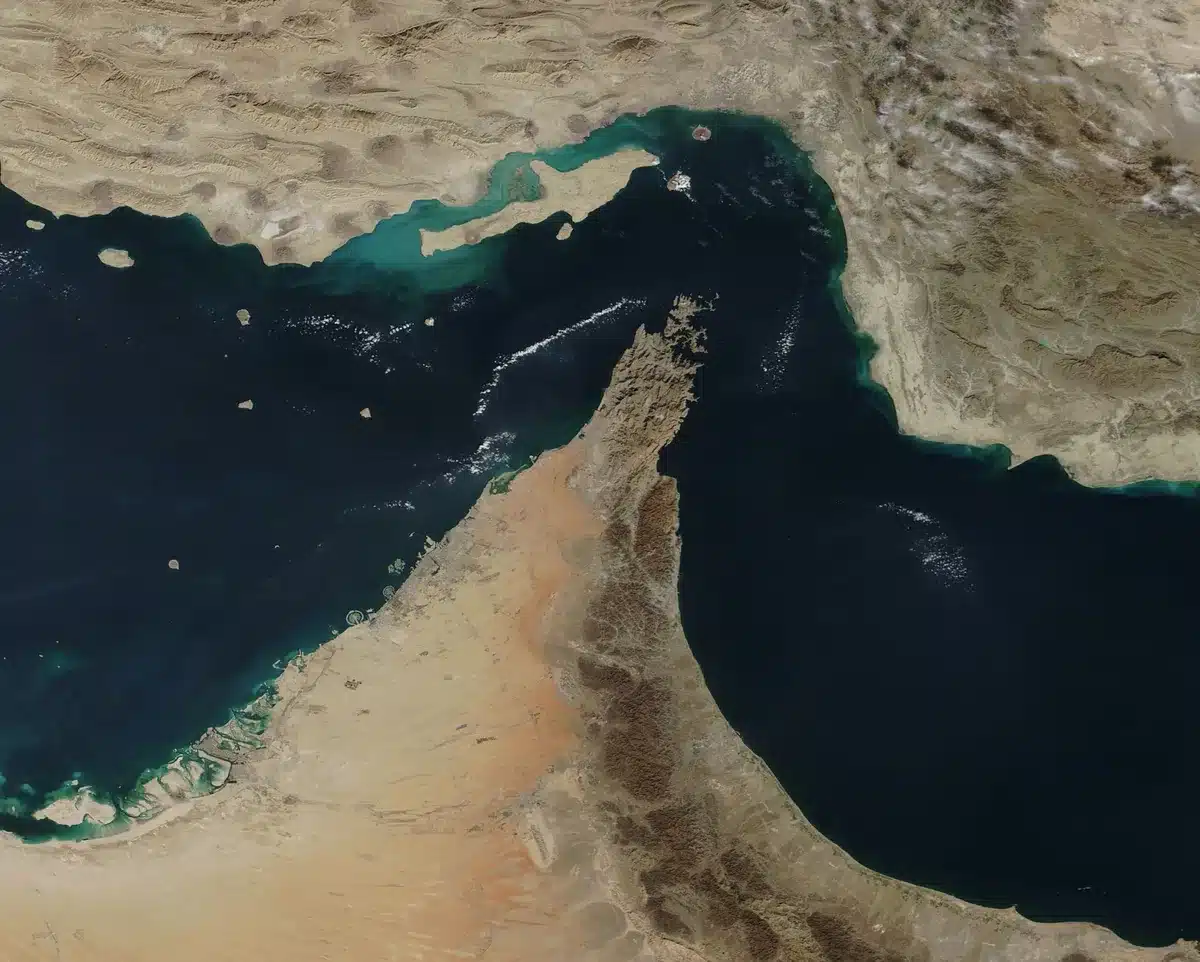
Indian markets plummeted on May 12, 2026, as geopolitical tensions gripped investors. The BSE Sensex crashed 1,456 points, settling at 74,559. This sharp decline reflects deepening fears over US-Iran negotiations and surging crude oil prices that threaten India’s economy.
🔥 Quick Facts
- Sensex Closing: 74,559, down 1,456.04 points or 1.92% on May 12, 2026
- Nifty 50: Dropped 436.30 points to 23,379.55 in today’s bloodbath
- Rupee Record Low: Indian currency hit 95.63 per US dollar, weakest ever
- Crude Oil Surge: Brent prices elevated at $107 per barrel amid Middle East tensions
A Perfect Storm for Indian Equities
The BSE Sensex’s dramatic 1,456-point collapse reflects a confluence of domestic and global pressures. Crude oil prices, now hovering above $105 per barrel, have become the primary culprit. India, a massive net importer of petroleum, faces inflation risks and current account pressures from elevated global crude costs. Foreign investors accelerated selling, withdrawing capital amid heightened uncertainty. The rupee’s weakness compounds the problem by making imports costlier and eroding purchasing power.
Near-term market sentiment is expected to remain volatile, analysts warn. Any sign of geopolitical de-escalation could provide temporary relief, but structural headwinds persist. The Nifty 50 fell below psychologically important support levels, signaling further downside risk if negative triggers mount.
Trump Rejects Iran Proposal, Ceasefire Teeters
President Trump dealt a severe blow to peace hopes on Tuesday, rejecting Iran’s latest peace proposal as unacceptable. The US leader declared the month-old ceasefire, originally brokered on April 7, now sits on “life support.” This dramatic shift intensified Middle East tensions, spooking global financial markets and sending energy prices soaring. Fear of escalation has traders bracing for a potential restart of combat operations.
The breakdown in US-Iran negotiations removes a key pillar of hope for global stability. Oil markets immediately reflected this risk premium. Brent crude surged toward the $107 level, the highest in weeks. Investors, now spooked by the possibility of renewed conflict, are pulling money from emerging markets like India and seeking safe havens in developed economies and commodities.
Rupee Crashes as Currency Crisis Deepens
The Indian rupee plunged to a record low of 95.63 against the US dollar on Tuesday. This historic depreciation marks a significant deterioration in the nation’s currency health. Elevated crude oil prices combined with weak foreign investment flows have accelerated the rupee’s downward spiral. Import costs will rise sharply, threatening to rekindle inflation pressures that had begun to stabilize.
| Market Metric | Value | Change |
| BSE Sensex | 74,559.24 | -1,456.04 (-1.92%) |
| Nifty 50 | 23,379.55 | -436.30 (-1.83%) |
| USD per Rupee | 95.63 | Record Low |
| Brent Crude | $107/barrel | Elevated |
“The ceasefire situation continues to remain fragile, raising concerns over further geopolitical tensions in the region.”
— Market analysts, Financial reports from May 12, 2026
Investor Wealth Destroyed as Markets Reel
Approximately $10-12 billion in investor wealth was wiped out during Tuesday’s brutal trading session. The sharp two-percent decline across major indices signals capitulation among retail and institutional investors alike. IT stocks declined more than 2 percent, dragging down technology-heavy segments. Volatility indicators, particularly the India VIX, spiked, reflecting panic selling and heightened fear.
Market breadth was heavily negative, with losers vastly outnumbering gainers. Realty stocks tumbled over four percent, signaling contagion from broad-based selling. Banking, metals, and auto sectors also suffered significant declines. The only relative haven was gold, which saw mild gains as investors sought portfolio protection during the mayhem.
What Comes Next for India’s Markets?
The path forward depends critically on developments in US-Iran talks and global crude oil trends. If peace negotiations resume and ceasefire holds, markets could see a sharp relief rally. Conversely, escalation risks remain acute. RBI intervention may help stabilize the rupee temporarily, but long-term currency pressures require structural economic solutions. Investors should prepare for continued volatility into the near term.
Analysts expect support levels to be tested further if Nifty breaks below 23,200. Meanwhile, crude oil above $110 per barrel would trigger additional selling. The Indian economy’s resilience will be tested, but fundamentally strong growth prospects offer hope for eventual recovery once geopolitical clouds clear.