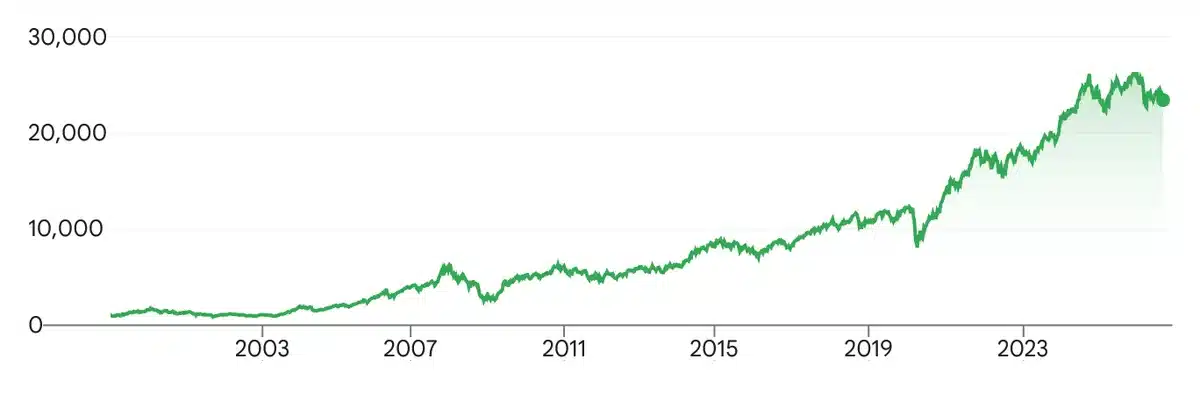
The stock market moves when buyers and sellers change how much they want a share, and that price action is driven by supply, demand and incoming news, analysts say.
At the most basic level, “when more people want to buy a stock (demand) than sell it (supply), the price goes up,” and the opposite sends prices down, according to Investopedia’s primer explaining how stock prices change.
Economic data and central-bank policy are common catalysts for those shifts. Reuters reported that “Treasury yields and the dollar rose, while stocks fell” after a stronger-than-expected U.S. jobs report, illustrating how labor-market surprises can push yields higher and pressure equities.
Investors watch the Federal Reserve closely because rate decisions change discount rates and borrowing costs. Reuters noted that markets have been pricing possible Fed moves and that stronger jobs data “keep pressure on the Fed” and on rate expectations, which in turn affects stock market valuations.
Corporate earnings and company-specific news also move individual stocks and can sway broader indexes when a few large firms dominate the market. Investopedia explains that markets have a primary market for new share issues and a secondary market where investors trade, and that share prices change based on market conditions including earnings and sentiment.

For everyday investors, experts recommend focusing on a few practical steps: keep a diversified portfolio, set a time horizon, and avoid reacting to every headline. Investopedia’s guides stress that volume and broader trends help validate price moves and identify entry or exit points.
Short-term moves can be abrupt: Reuters’ market coverage shows that a single economic release can lift Treasury yields and nudge prices across sectors the same day. Longer-term returns depend on fundamentals like earnings growth and interest rates, which are themselves shaped by economic data and policymakers’ responses.
Before trading, many investors scan economic calendars and market news. Our site previously suggested what to watch before the open, including major economic releases and overnight market moves, as a practical checklist for the stock market’s daily drivers.
Sources
- Investopedia — explained that stock prices move because of supply and demand and described market mechanics, including primary and secondary markets and the role of volume.
- Reuters — reported that Treasury yields and the dollar rose while stocks fell after a stronger-than-expected U.S. jobs report, and noted markets price Fed moves in response to economic data.
- Eciks — our internal piece, “Stock market today: what investors should watch before the open,” offers a checklist for premarket monitoring.