Donald Trump announced on August 28 that the United States has secured majority control of more than 65 billion barrels of proven oil reserves in Venezuela, marking what the White House described as “the biggest oil deal in world history.” The agreement grants the U.S. government a 35 percent equity stake in North American Blue Energy Partners (NABEP), the private company holding 100-year concessions to operate 17 Venezuelan oil fields.
According to the White House fact sheet released August 31, the deal gives the U.S. Department of State the right to purchase 20 percent of all oil produced from the fields at production cost, with a right of first refusal on the remaining 80 percent. The U.S. Department of War’s Office of Strategic Capital receives board veto power and requires that a majority of NABEP’s board members be U.S. citizens.
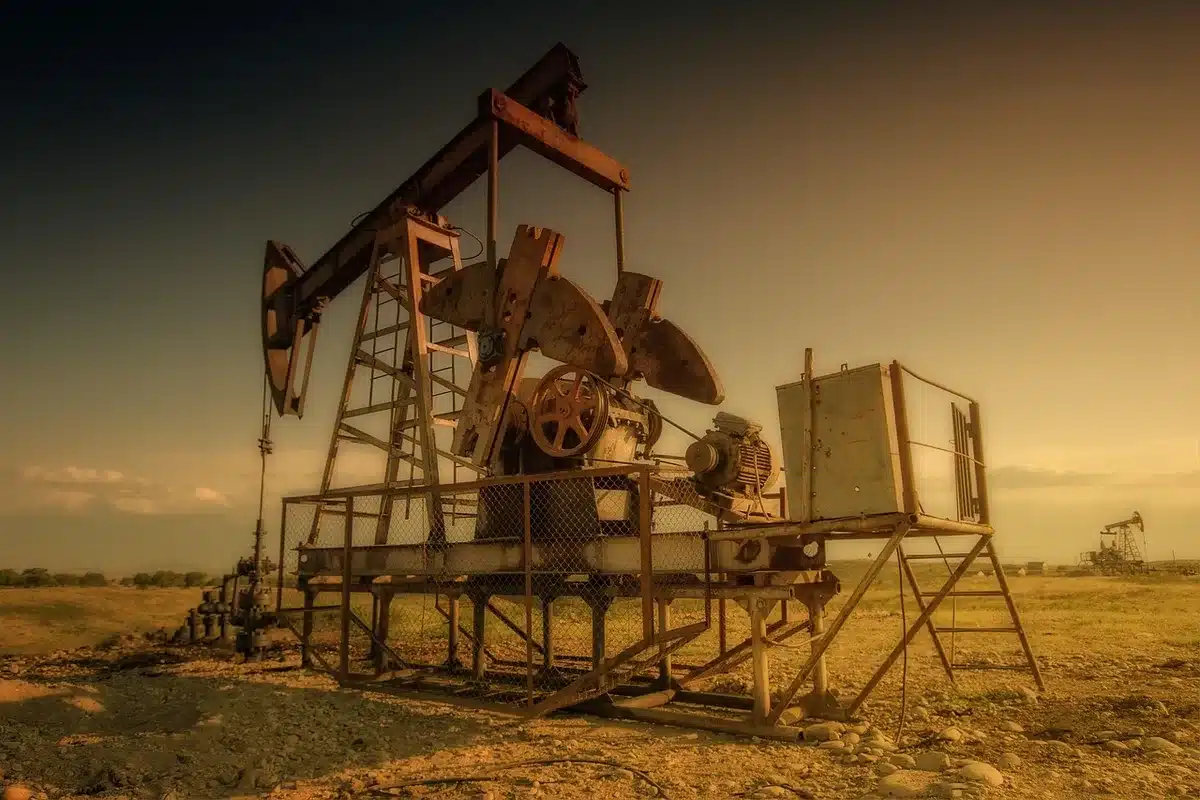
Venezuela’s interim President Delcy Rodriguez confirmed that the 25-year agreement targets rapid production growth across the 17 fields, with an initial production target of 1.5 million barrels per day. The oil reserves are primarily located in eight blocks within the Orinoco Belt, one of the world’s largest crude deposits, alongside fields in the Lake Maracaibo region. The White House stated the deal comes “at zero cost to the American taxpayer.”
NABEP has committed to investing up to $100 billion in Venezuelan oil infrastructure, with the government expecting to receive approximately $200 billion in royalty and tax payments over the first 25 years. The Trump administration framed the agreement as part of its broader strategy to reassert U.S. influence in the Western Hemisphere and displace Russian and Chinese involvement in Venezuela’s energy sector.
However, energy experts warn that the deal will not deliver immediate benefits to American consumers. David Goldwyn, who served as a State Department special envoy for international energy affairs under President Barack Obama, told CNBC that “this will have absolutely no impact on gasoline prices or Venezuelan production for that matter for years to come.” The nation’s oil infrastructure has deteriorated significantly after years of mismanagement, with current production at approximately 1.2 million barrels per day—down from a peak of 3.5 million barrels per day in the late 1990s.

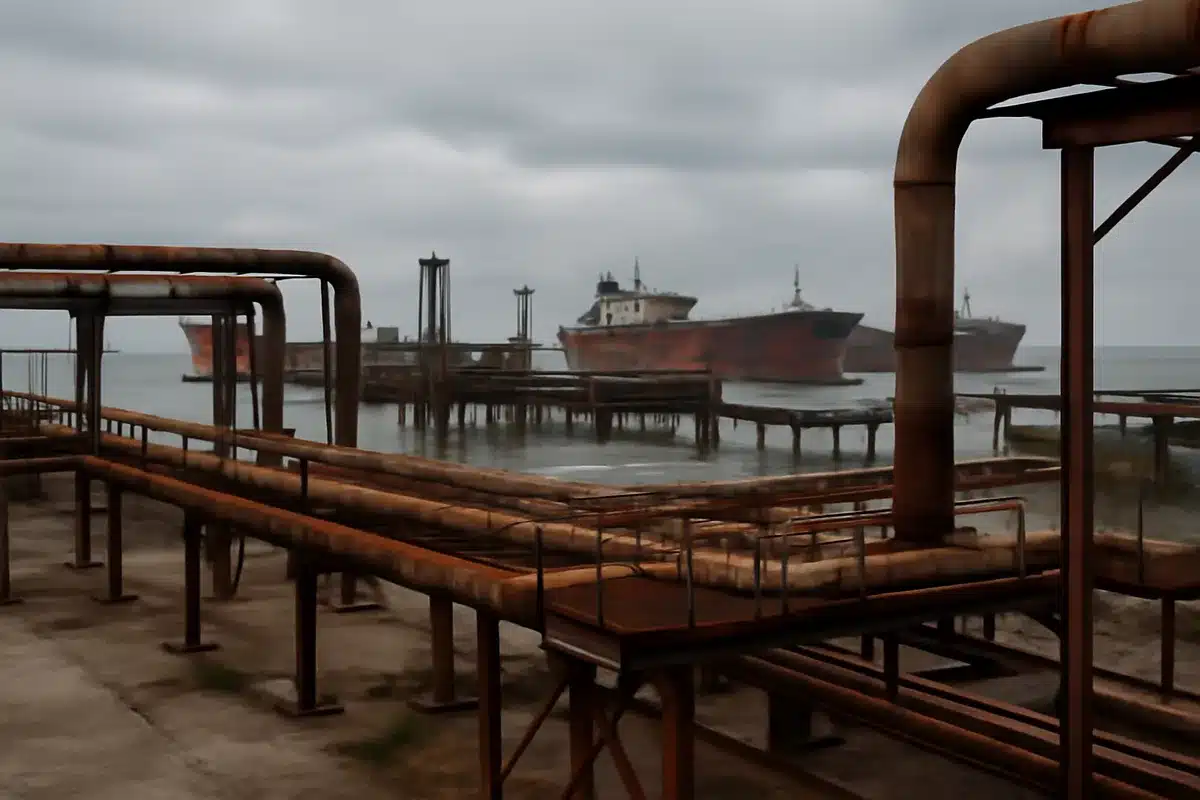
Rystad Energy estimated in January that returning Venezuela to its peak production would require approximately $180 billion in investment through 2040. Fields in the Orinoco Belt have minimal existing infrastructure and will require five to seven years at minimum to deliver increased production, according to Goldwyn. Venezuela’s export terminals are also constrained, with tankers waiting up to 30 days to load crude due to aging infrastructure and power outages.
Chevron, the only major U.S. oil company currently operating in Venezuela, is moving forward with its own expansion. The company announced plans to invest more than $7 billion to double its Venezuelan oil production to approximately 600,000 barrels per day. Chevron’s current Venezuela output stands at 280,000 barrels per day, up 15 percent in 2026, with expectations to reach 400,000 barrels per day by 2028.
Trump has promoted the deal as a solution to rising gasoline prices, which averaged $4.08 per gallon nationally as of late August—nearly 30 percent higher than the prior year. Yet experts emphasize the long-term nature of the commitment. Bob McNally, president of Rapidan Energy, noted that while Venezuelan oil could provide significant supplies over coming decades if the agreement succeeds, it is “not a major factor near term in terms of pump prices.” Political risk also clouds the deal’s viability: a future Democratic administration could reconsider or terminate it, and any future Venezuelan government could similarly withdraw from the agreement, as Caracas has done with previous contracts.
Sources
- The White House — fact sheet on the historic oil agreement, including details on U.S. equity stakes, governance rights, production targets, and investment commitments
- CNBC — analysis of why the deal will not lower U.S. gas prices soon, including expert commentary from David Goldwyn and discussion of Venezuelan infrastructure challenges
- Reuters — reporting on Venezuela’s interim president confirming the 25-year deal targeting 17 oil fields with initial production of 1.5 million barrels per day
- The Washington Post — coverage of Chevron’s $7 billion investment plan to double Venezuelan oil production
- BBC News — video and reporting on the controversial nature of the deal and questions about its implementation