
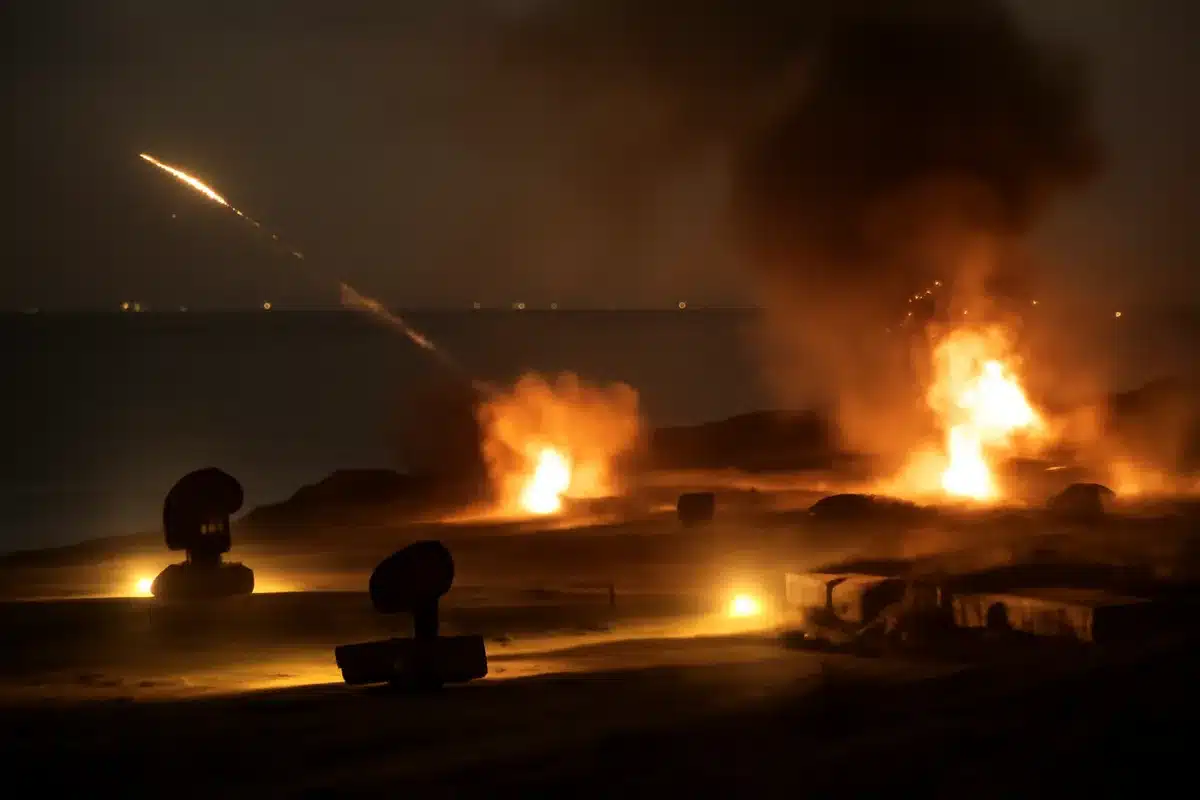
The United States launched “large and powerful” strikes on Iranian military targets near the Strait of Hormuz on September 1, 2026, in retaliation for Iran’s failed attempt to deploy additional sea mines in the critical shipping channel, according to President Trump and U.S. Central Command.
U.S. forces targeted Islamic Revolutionary Guard Corps (IRGC) air defense sites, radar systems, mine-laying capabilities, maritime assets, and communications infrastructure, CENTCOM said. Trump stated on Truth Social that the strikes were also in response to an Iranian missile attack on an American military base in Jordan and warned of further escalation, saying “if they retaliate, they will be hit again at a much higher level.”
The strikes mark a significant escalation after weeks of relative calm. On August 30, U.S. Central Command announced it had cleared all Iranian sea mines from the transit routes in the Strait of Hormuz, a waterway through which approximately 20 percent of the world’s oil supply passes. Iran’s attempt to re-mine the strait just days later prompted the immediate military response.

The Strait of Hormuz has been a flashpoint throughout the 2026 Iran war, which began on February 28 when the United States and Israel launched initial operations against Iran. Iranian efforts to disrupt shipping in the waterway have posed a persistent threat to global energy markets. According to Congress, roughly 25 percent of the world’s maritime trade in crude oil and petroleum products, as well as roughly 19 percent of liquefied natural gas, passed through the Strait in 2025 before the conflict began.
Iran responded to the U.S. strikes with its own military action. Iranian state media reported that the country had launched missiles and drones at American bases and interests in the region. Kuwait’s military said it was defending against Iranian drone attacks, and the United Arab Emirates Defense Ministry said its air force engaged hostile drones over its territorial waters. Jordan’s military intercepted at least eight missiles launched by Iran, according to earlier reporting.
Iranian Foreign Ministry spokesman Esmail Baghaei condemned the U.S. strikes, saying they struck a wedding ceremony in Kuhestak in southern Iran, killing four people including a child and wounding more than 50 others, according to the semiofficial Fars news agency. Iranian state TV also reported strikes on a fishmeal factory on Qeshm Island and civilian targets in Hormozgan province. U.S. Central Command responded that it never targets civilians, unlike the IRGC.
The Strategic Importance of Mine Containment
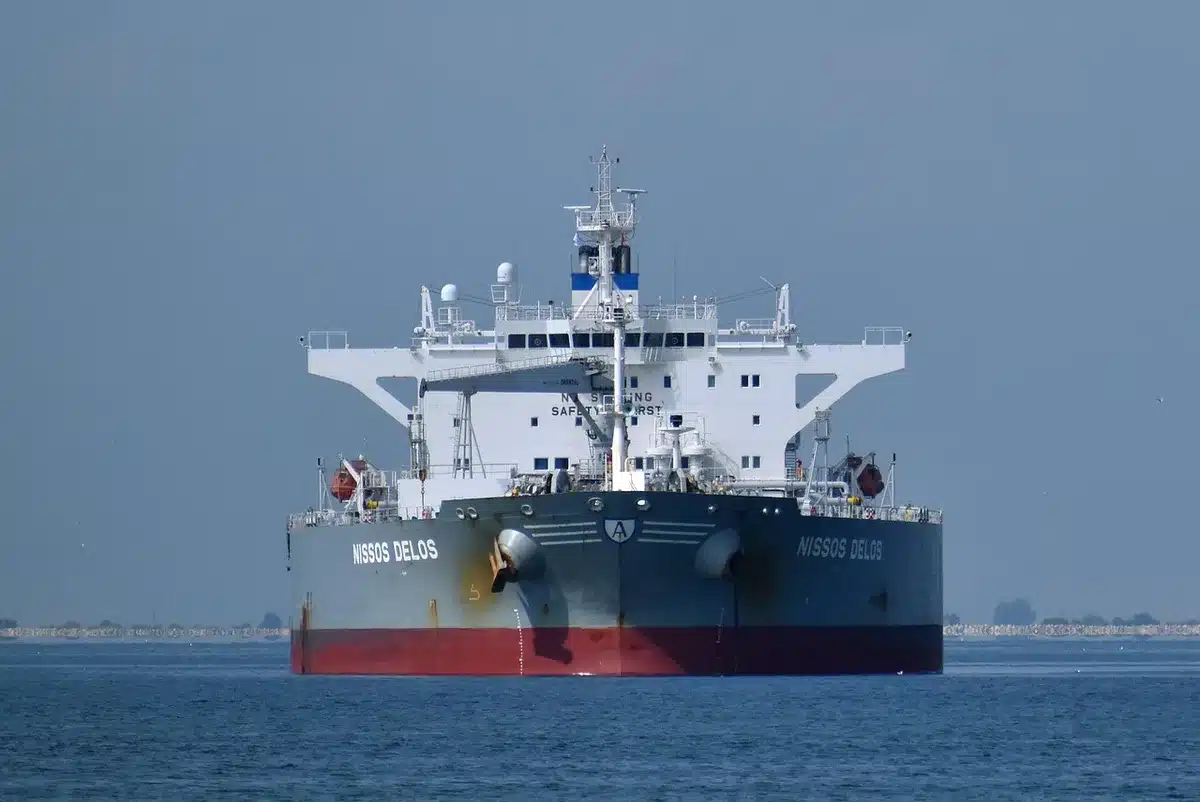
The repeated Iranian attempts to deploy mines underscore the centrality of the Strait to global commerce. When Iran laid mines earlier in the conflict, analysts warned of disruptions to energy supplies and sharp increases in maritime insurance costs. The U.S. military has made clearing and preventing mine deployment a core operational priority.
CENTCOM stated that the strikes were necessary to “protect civilian mariners, commercial shipping, and the free flow of global commerce,” emphasizing that “Iran created the threat and the U.S. military eliminated it.” The effort reflects the high stakes of maintaining open shipping lanes in a region where even temporary mine threats can ripple through global energy markets and supply chains.
Sources
- NBC News — U.S. strikes on Iranian targets near Strait of Hormuz, Trump statement, CENTCOM details, Iranian retaliation, civilian casualty reports
- U.S. Central Command — Official statement on strike targets, mine-laying capabilities, and civilian shipping protection
- USA Today — Trump retaliation statement, Iranian mine attempt confirmation
- The Hill — CENTCOM commander statement on mine clearing, Strait of Hormuz strategic importance
- Task and Purpose — U.S. Navy mine-clearing operations in Strait of Hormuz
- U.S. Congress — Congressional Research Service report on Strait of Hormuz, global trade statistics
- Brookings Institution — Analysis of Strait of Hormuz disruption and global oil supply impact










