The United States launched a fresh wave of strikes against Iranian Islamic Revolutionary Guard Corps (IRGC) targets near the Strait of Hormuz on September 1, ending a month-long lull in direct military confrontation between the two countries. U.S. Central Command said the strikes were in response to recent Iranian attempts to attack commercial shipping and American service members deployed to the region.
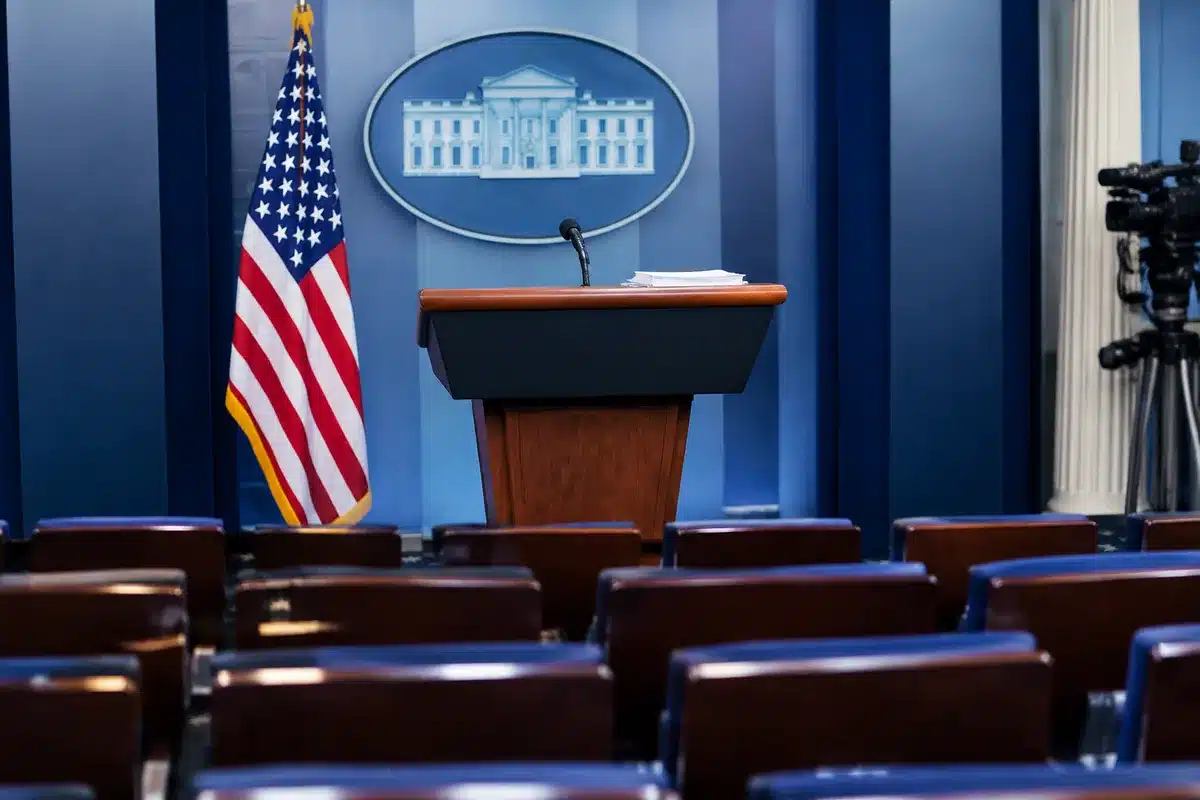
President Donald Trump described the strikes as “large and powerful” and issued a stark warning on social media: if Iran retaliates, the U.S. would strike “much harder and higher level,” threatening that “there will be very little left of the Islamic Republic of Iran.” The IRGC vowed an immediate response, with spokesperson Hossein Mohebbi stating “Severe punishment awaits the aggressors, and America will regret its new attacks.”
The strikes broke a fragile pause in fighting that had held since early August, when the Trump administration announced a strategic shift away from intensive military operations toward economic pressure on Iran. According to Al Jazeera, the administration had said it was “shifting its strategy from military strikes to intense economic pressure on Iran,” imposing a naval siege on Iranian ports and threatening secondary sanctions against Tehran’s trade partners.
The escalation immediately rippled through global markets. Oil prices jumped more than 4 percent following the strikes, reflecting renewed concerns about disruption to energy supplies flowing through the Strait of Hormuz, a critical chokepoint for world trade. Before the conflict began in February 2026, the average U.S. gasoline price was less than $3 per gallon; it has now climbed above $4 per gallon, according to Al Jazeera’s reporting.
The Strait of Hormuz has been the central flashpoint throughout the conflict. Iran has repeatedly targeted commercial shipping in the waterway, and on Monday—the day before these strikes—the UK Maritime Trade Operations reported that an oil tanker was hit by three “unknown projectiles” while transiting the strait. The U.S. military claims it is managing to move millions of barrels of oil through daily despite the Iranian blockade, but shipping traffic has been volatile and insurance costs have surged.
Treasury Secretary Scott Bessent signaled that economic pressure would intensify alongside military action. According to Al Jazeera, Bessent announced the U.S. would widen sanctions on a weekly basis, with plans to announce a new bank sanction that week and a similar measure the following week. The administration is also targeting airline leasing companies and other entities that conduct business with the IRGC.
The strikes mark a critical turn in a conflict that has now lasted more than six months. The war began in February 2026 when U.S. and Israeli forces struck Iranian targets, killing senior Iranian officials including Supreme Leader Ali Khamenei, according to multiple sources including Wikipedia and the Council on Foreign Relations. The fighting had cycles of intense escalation, including a brief ceasefire announced in mid-June 2026 that reopened the Strait of Hormuz, followed by repeated breakdowns as both sides accused the other of violations.
The U.S. State Department warned Americans in the Middle East to remain alert and prepare for travel disruptions. The Bureau of Consular Affairs stated that “Iran and groups supportive of Iran may target U.S. interests overseas or at locations associated with the United States and Americans throughout the world, including U.S. businesses and other institutions.”
Historical cycles of escalation in this conflict suggest the risk of rapid intensification. When the U.S. struck Larak Island in southern Iran on August 31, Iran retaliated within hours by launching missiles at a base housing American troops in Jordan. The pattern of tit-for-tat strikes has repeatedly triggered cycles of escalation, raising the prospect that Tuesday’s strikes could trigger another round of Iranian retaliation and further U.S. military response.
Sources
- Al Jazeera — core reporting on the September 1 strikes, Iranian response, Trump’s threats, oil price impact, Treasury sanctions plans, and shipping attacks in Strait of Hormuz
- U.S. Central Command (CENTCOM) — official confirmation of strikes on IRGC targets in response to Iranian attacks on commercial shipping
- NBC News — Trump’s statement on the strikes as “large and powerful”
- ABC News — reporting on oil surge after strikes and the month-long lull in fighting
- Council on Foreign Relations — background on the February 2026 start of the conflict and the killing of Iranian officials
- Wikipedia — timeline context on the 2026 Iran war, including the February 2026 strikes killing Supreme Leader Ali Khamenei