The U.S. military said on August 27 that it has cleared all Iranian sea mines from internationally recognized transit routes in the Strait of Hormuz, announcing a major military operation completed after four months of work.
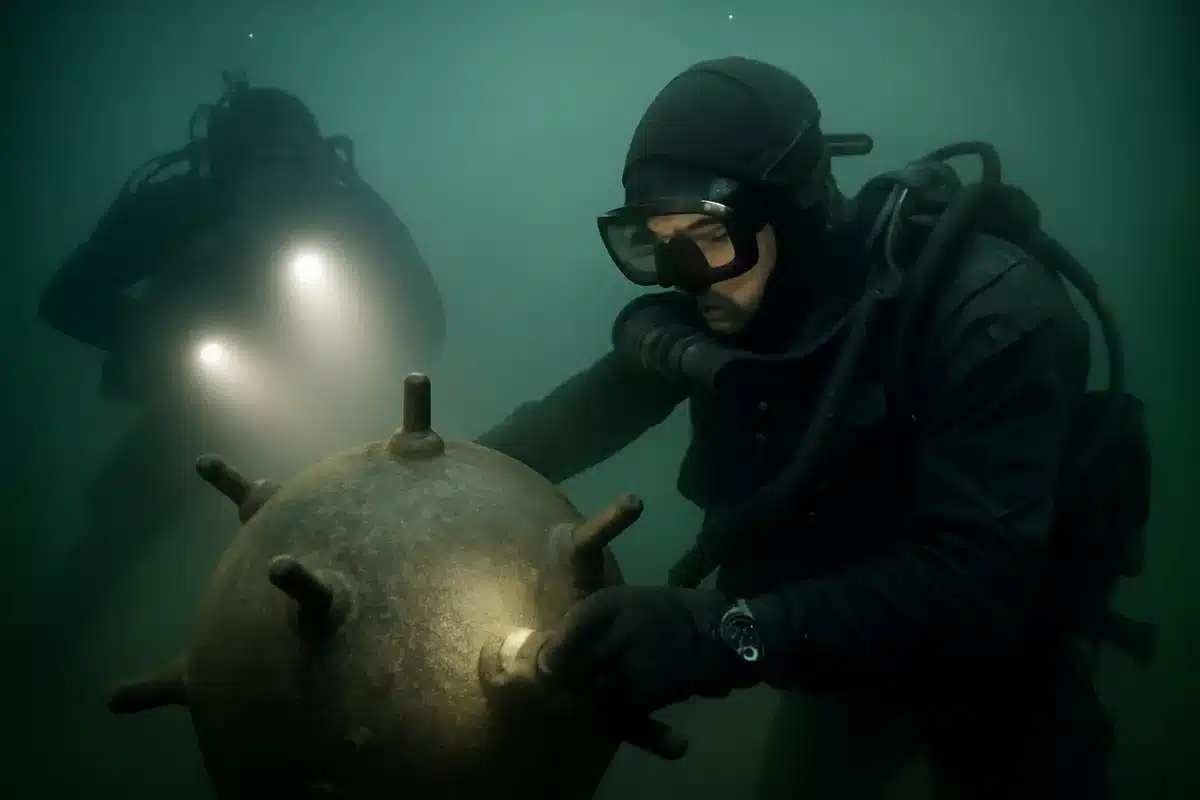
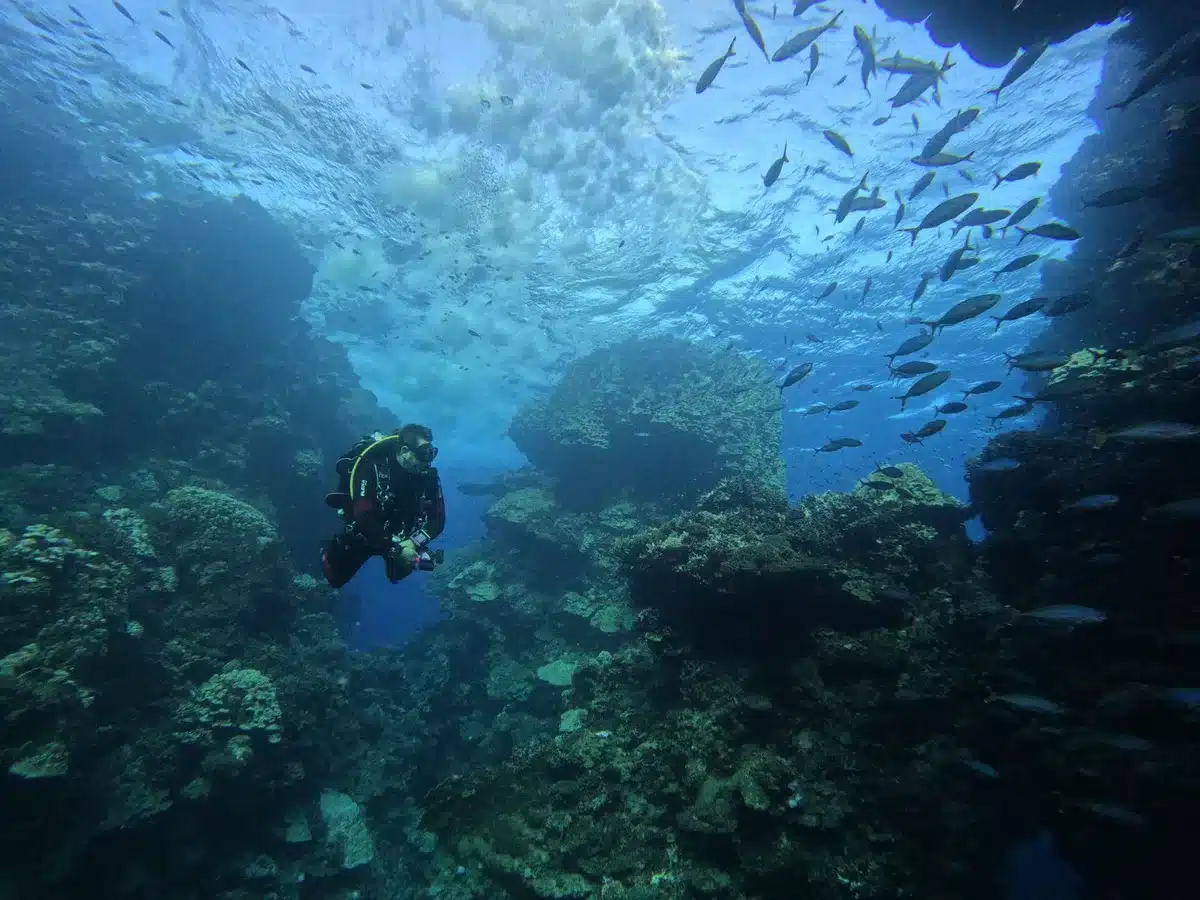
Admiral Brad Cooper, commander of U.S. Central Command, said in a video statement that Navy divers, SEALs, and other forces had “successfully cleared sea mines in the strait’s international shipping lanes that were laid months ago by Iran’s Islamic Revolutionary Guard Corps.” Cooper described the effort as “a major milestone” and noted that “the circumstances were challenging and dangerous to say the least, but we got the job done.”
The mine-clearing operation began on April 11, 2026, when U.S. Central Command forces started setting conditions for the mission. Pentagon officials had told Congress in late April that the full operation could take up to six months, given the number of mines Iran had deployed and the difficulty of locating and neutralizing them in one of the world’s busiest shipping corridors.
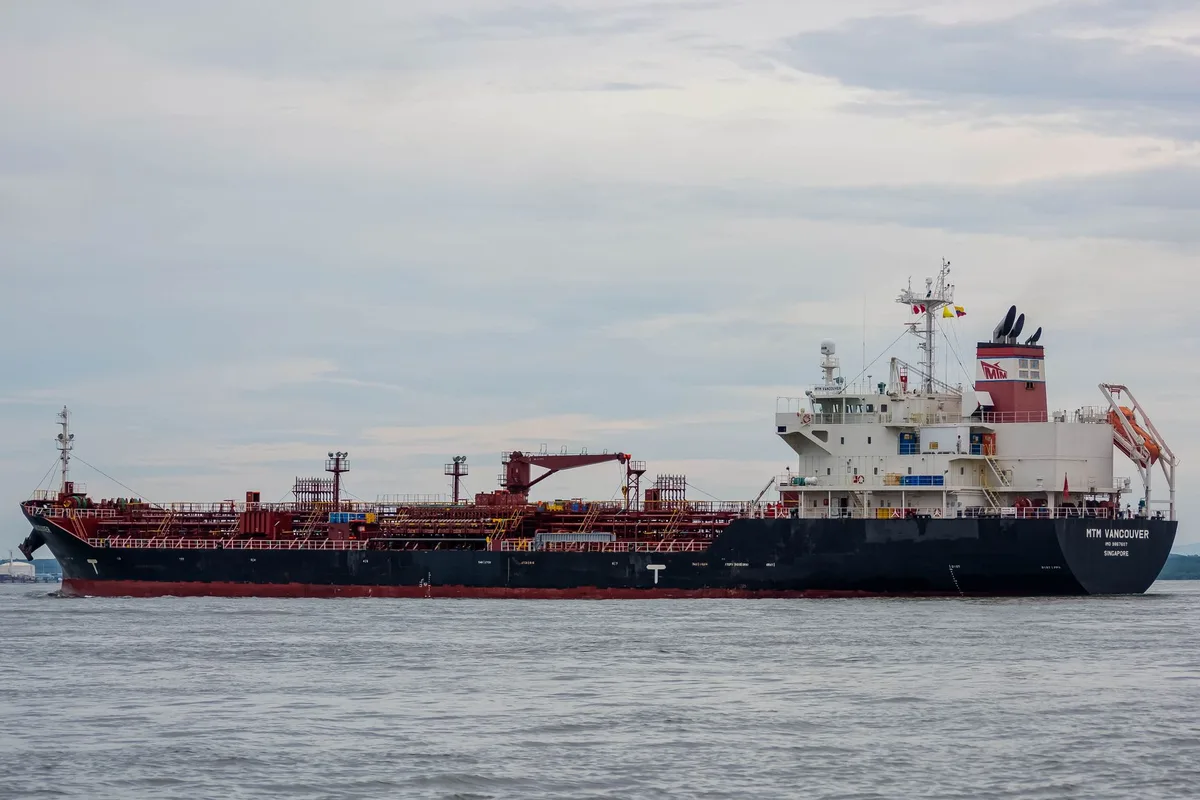
The Strait of Hormuz carries roughly 20 to 25 percent of global oil and liquefied natural gas flows, making it one of the world’s most critical maritime chokepoints. The closure of transit routes had severely restricted vessel movement during the six-month conflict between the U.S. and Iran, contributing to elevated energy prices worldwide. According to AAA, the average price of a regular gallon of gasoline in the United States was about $4.10 in late August 2026, up from about $3.21 the year prior.
The clearance effort reopened safe corridors for international shipping. According to CENTCOM, the operation assisted nearly 1,500 vessels and established swept channels—known as Q-routes—through which commercial traffic can now safely transit. As the U.S. and Iran have reportedly agreed on a ceasefire and Strait of Hormuz reopening, the mine clearance removes a critical physical barrier to resumed trade.
Historical Precedent and Escalation Risk
Iranian mine operations in the Strait of Hormuz have a decades-long history of triggering U.S. military responses. In 1988, during the Iran-Iraq War’s “Tanker War” phase, the guided-missile frigate USS Samuel B. Roberts struck an Iranian mine on April 14, suffering severe damage that nearly sank the vessel and injuring 10 sailors. The incident prompted the U.S. Navy to launch Operation Praying Mantis four days later, in which American forces destroyed two Iranian oil platforms, sank one frigate and a missile boat, and crippled a second frigate in what was the largest surface naval battle since World War II.
That 1988 precedent underscores the strategic stakes of mine warfare in the strait. Even a small number of mines can paralyze shipping traffic and trigger rapid military escalation, as the recent operation demonstrates. The completion of the clearance ahead of the originally estimated six-month timeline reflects the intensity of the effort and the priority assigned to reopening the waterway amid broader U.S. efforts to isolate Iran through sanctions.
Sources
- The Hill — Admiral Brad Cooper’s statement on mine clearance; gas price data from AAA
- U.S. Central Command (CENTCOM) — Official announcement of mine clearance, timeline, and vessel assistance figures
- U.S. Navy History — USS Samuel B. Roberts incident (April 14, 1988) and Operation Praying Mantis details
- Military.com — Operation Praying Mantis outcome and naval engagement details
- U.S. Congress CRS Report — Strait of Hormuz security developments and global oil flow percentages