The Trump administration unveiled sweeping new sanctions against Iran on August 24, targeting what Treasury Secretary Scott Bessent called the regime’s five most vital economic lifelines: digital assets, technology, gold, aviation, and shipping. The campaign, dubbed “economic D-Day” and formally titled “Operation Economic Outcast,” aims to sever Iran’s ability to generate revenue and isolate the country from global commerce as tensions escalate around the Strait of Hormuz.
Bessent said the US would target all of Iran’s sources of revenue, including oil, and warned that countries and companies facilitating Iranian transactions would face secondary sanctions. “Around the globe, our objective is to sever every economic lifeline that sustains this tyrannical regime until Tehran stands alone,” he stated at a Treasury Department press conference.
The Treasury Department imposed fresh sanctions on 60 entities, vessels, and individuals across the United Arab Emirates, Hong Kong, China, Singapore, and Switzerland, accusing them of enabling “the Iranian regime’s recklessness.” Bessent stressed that “no one is above the reach of US sanctions” and that the campaign presents a final warning to countries to cease business with Tehran.
The sanctions push comes nearly six months into a conflict that began in late February 2026 when the US and Israel launched military strikes against Iran. A ceasefire agreed in April held temporarily, but a 60-day ceasefire negotiated in mid-June collapsed on July 8, 2026, resuming major combat operations and tanker attacks in the Strait of Hormuz.
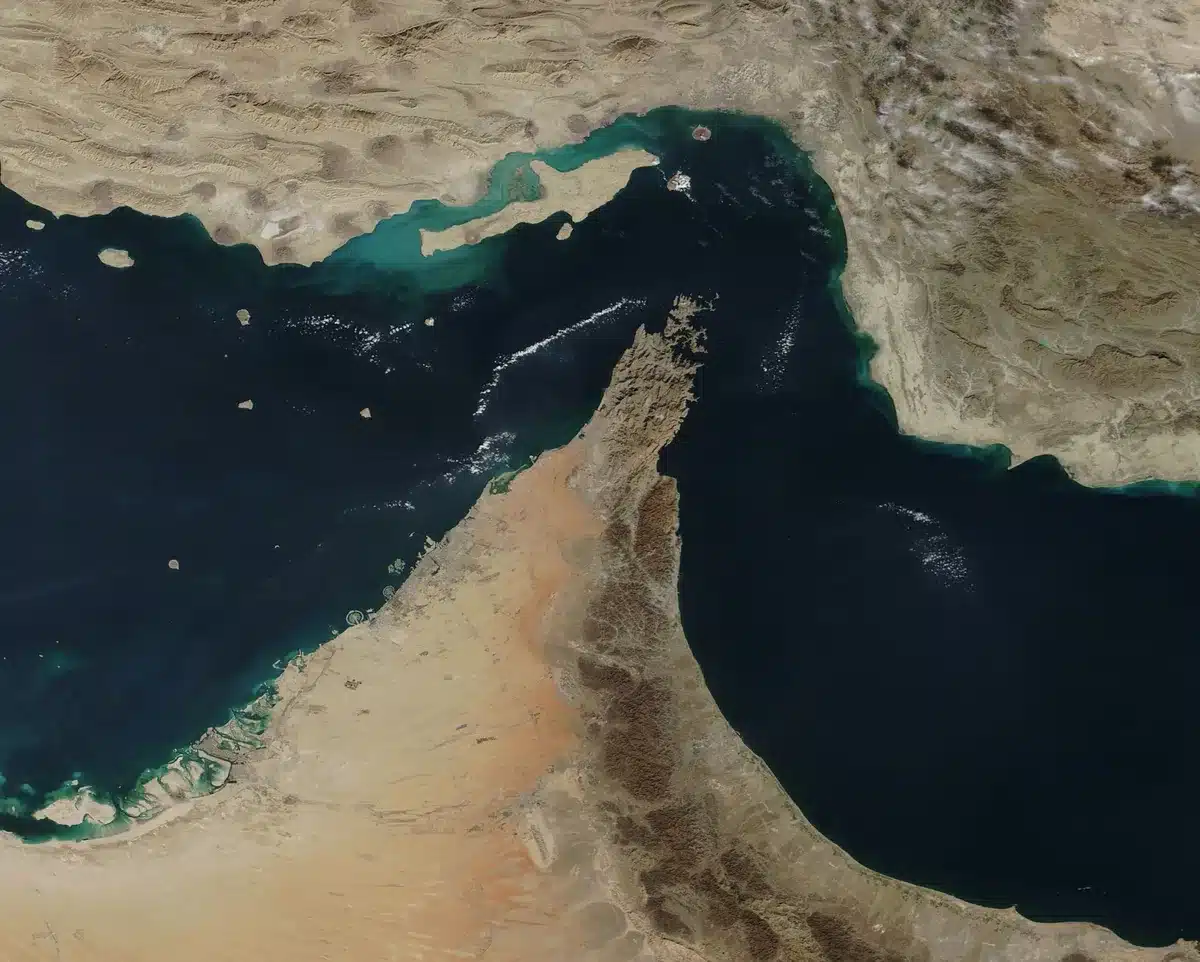
Since late February, Iran has largely shut down and asserted control over the Strait of Hormuz, a critical waterway for global energy trade through which roughly one-third of the world’s seaborne oil passes. The blockade has sent oil and gas prices soaring and disrupted shipping routes worldwide.
Pentagon chief Pete Hegseth said on Monday that Iran cannot withstand the economic pressure and will have “no choice” but to return to negotiations over its nuclear program. However, he did not rule out further military strikes, saying “if we need to use kinetic strikes, we’ll use them.”
Sina Toossi, a fellow at the Center for International Policy, told Al Jazeera that the earlier naval blockade on Iranian ports in April had hurt Iran’s oil exports but failed to produce the political outcome Washington sought. “The blockade has clearly hurt Iran, especially its oil exports, but it hasn’t produced the political outcome Washington wants. Iran hasn’t capitulated,” Toossi said. “Hormuz remains heavily disrupted, and the costs to the US and global economy are mounting. So, ‘economic D-Day’ looks like an effort to intensify the pressure now that the military campaign has failed to deliver a decisive outcome.”
Iran has dismissed the latest sanctions, with Foreign Minister Abbas Araghchi saying on Sunday that economic penalties against Tehran are nothing new. “They cannot think of any other solution in confronting the great Iranian people, so they repeatedly put forward the same old plans,” Araghchi said. The Iranian government has warned that vessels violating transit rules in the Strait could face penalties, including detention or confiscation.

The economic campaign represents a shift in US strategy after months of military operations. Bessent said the administration is giving countries an opportunity to remedy what it views as problematic behavior, framing the sanctions as warnings rather than immediate penalties. “Why would I want to blow up the global financial system?” he asked when queried about not immediately penalizing major trading partners.
The internal links pool referenced Iran sanctions escalation as Bessent unveils economic D-Day measures and the Strait of Hormuz closure and Iran’s demands for US concessions. Multiple sources also noted the expiration of the Iran-US ceasefire as the administration declared the Strait of Hormuz contested territory.
Sources
- Al Jazeera — Treasury Secretary Bessent’s announcement of “economic D-Day” sanctions, targeting five vital Iranian economic sectors, and analyst commentary from Sina Toossi on the failure of previous military and economic pressure campaigns.
- NPR — Confirmation of the new sanctions package and Iran’s vow to respond “in a seismic manner.”
- The Guardian — Background on Trump’s earlier threats to declare the Strait of Hormuz US territory and the ongoing tensions.
- Reuters — Details on the Strait of Hormuz blockade timeline, ceasefire negotiations, and Iran’s warnings to shipping vessels.
- CBS News — Updates on talks between Iran and Oman regarding future management of the Strait and the broader US-Iran conflict context.