The United States and Iran have reportedly reached a ceasefire agreement that includes provisions for free navigation through the Strait of Hormuz, according to Turkish news agency Anadolu citing Pakistani and Iranian sources on August 26. The agreement could be officially announced in the coming days, marking a potential turning point after months of stalled negotiations and a collapsed 60-day deadline.
The reported deal comes after the negotiating window set by an earlier June memorandum of understanding expired on August 17. Both sides had agreed in mid-August to extend the ceasefire but remained deadlocked over the terms of a permanent peace agreement. The latest reported agreement signals renewed momentum in diplomatic efforts to end the conflict and restore critical shipping lanes.
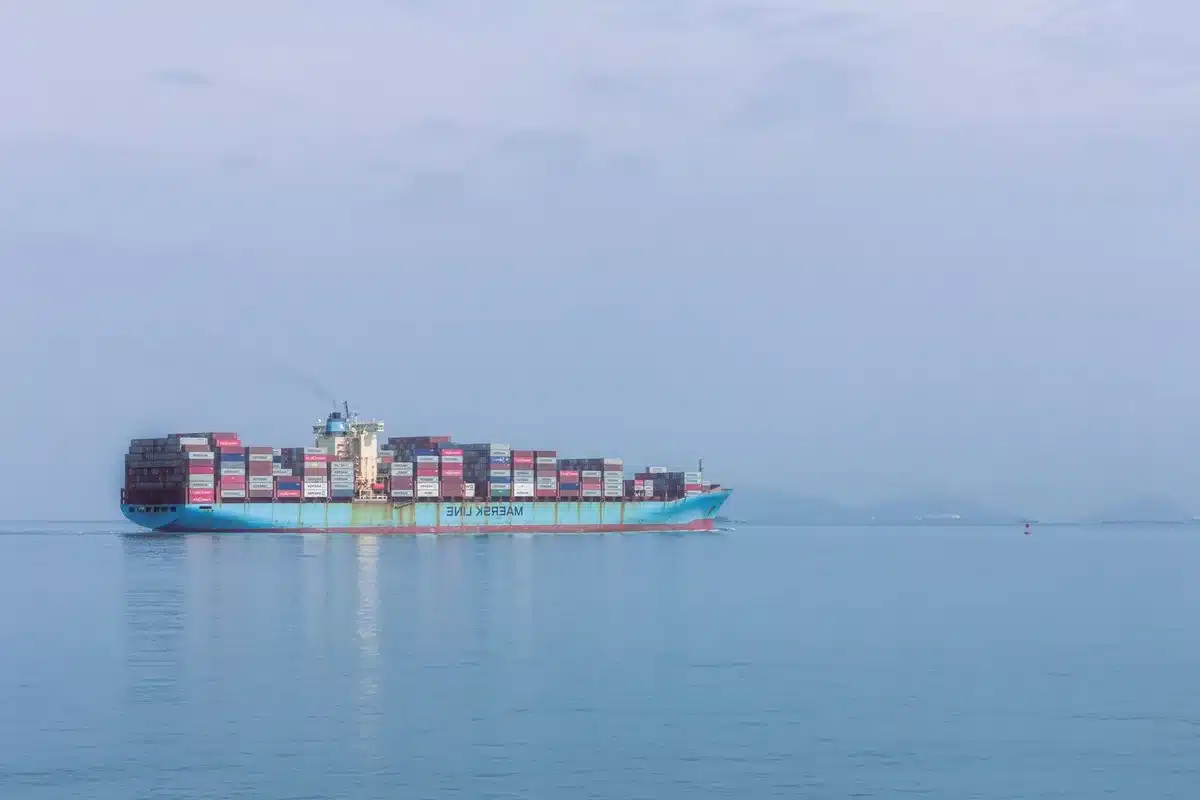
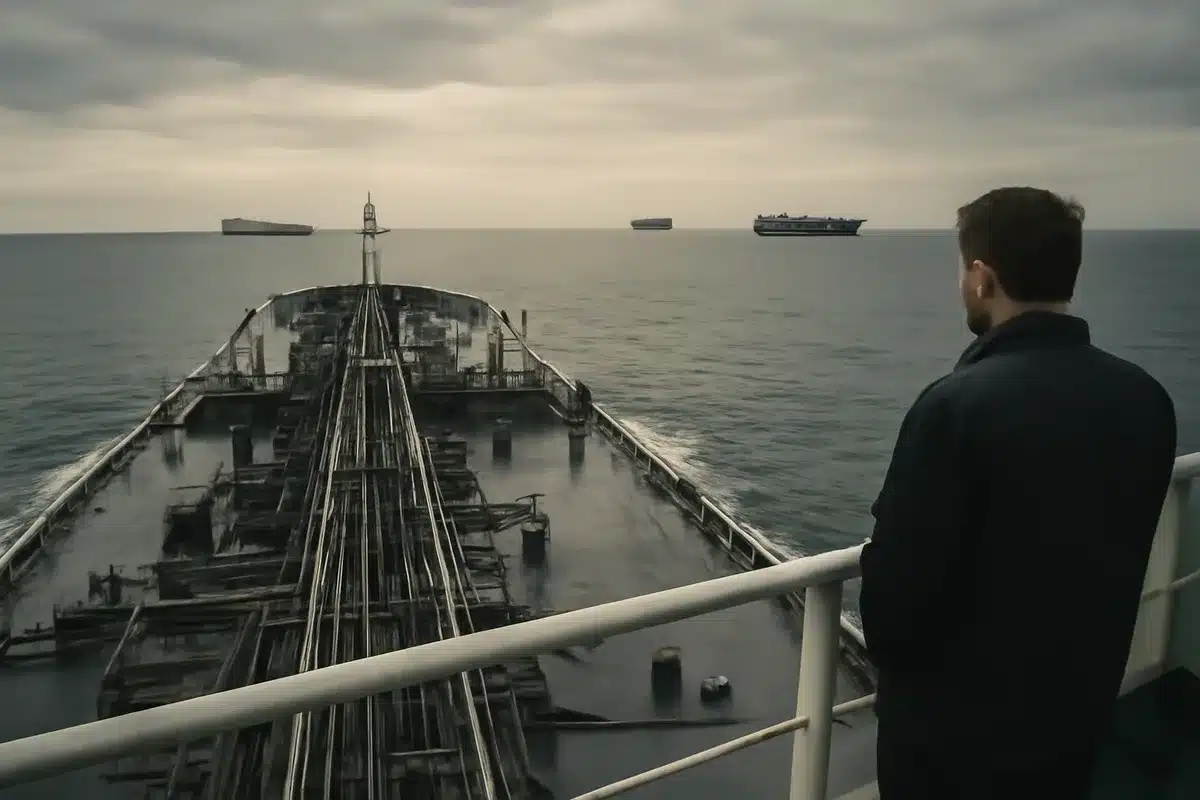
The Strait of Hormuz is one of the world’s most critical maritime chokepoints, with roughly one-fifth of global crude oil and liquefied natural gas shipments passing through the waterway before the war disrupted traffic. Restoration of free navigation through the strait is essential for global energy markets, which have faced sustained price volatility and supply uncertainty throughout the conflict.
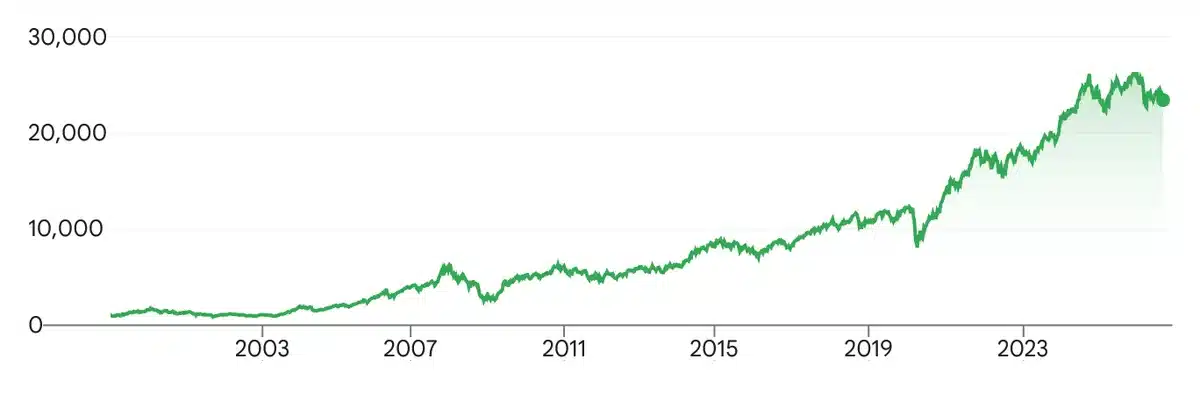
The market reacted swiftly to the reported agreement. On August 26, Brent crude futures fell more than 2 percent to around $86 per barrel as investors reassessed the outlook for Middle Eastern energy supplies. The price movement reflects how tightly linked oil markets are to the status of the Strait of Hormuz and the broader Iran-US conflict.
Earlier this month, President Trump stated that all mines in the international waters of the Strait of Hormuz had been removed or destroyed. Iran and Oman had also discussed establishing a joint temporary navigation corridor to facilitate the clearance of additional mines and restore shipping routes.

The disruption to Strait of Hormuz traffic has been the largest in the history of the oil market, according to Brookings Institution analysis from June 2026. The closure threatened to send fuel prices soaring and disrupted supply chains for oil, liquefied natural gas, and other critical commodities. If the ceasefire holds and traffic through the strait fully resumes, it could significantly reduce the geopolitical risk premium in the global crude oil market.
However, Washington and Tehran have not yet officially announced the ceasefire or disclosed full details of the potential agreement. The reported deal follows a pattern of tentative agreements reached, then stalled or broken down since April, when the two sides first announced a two-week ceasefire. Verification of the latest terms and official confirmation from both governments remain pending.
Sources
- Anadolu Agency (via UkraGroConsult) — reported US-Iran ceasefire agreement with Strait of Hormuz reopening provisions, citing Pakistani and Iranian sources on August 26, 2026
- Reuters — covered the August 17 ceasefire deadline expiration and August 12 extension agreement
- Brookings Institution — analyzed the Iran war as the largest disruption in oil market history and its global impact
- UNCTAD — documented that the Strait of Hormuz carries approximately one-fifth of global crude oil and LNG shipments
- AP News — reported on the June 2026 initial ceasefire agreement and 60-day negotiation framework
- NBC News — covered the June 15, 2026 framework deal to extend the ceasefire and reopen the strait