
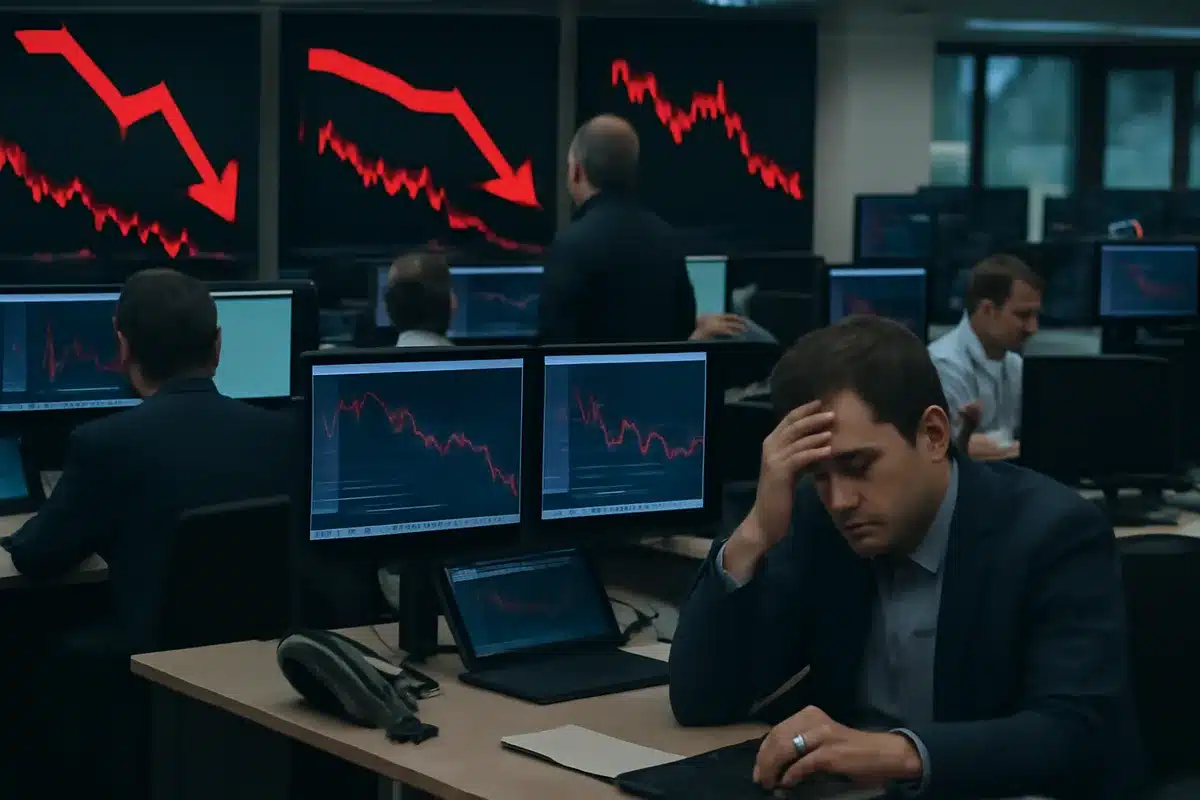
The CBOE Volatility Index surged 10.17% to 16.44 on September 1, 2026, as U.S. military strikes on Iranian targets triggered a sharp spike in investor anxiety and reshaped market expectations for near-term turbulence.
The jump marked a notable reversal from the previous day, when the VIX closed at 14.92. The volatility gauge measures expected 30-day fluctuations in the S&P 500 using options prices, and spikes in the index typically signal heightened investor fear and demand for portfolio protection.
The catalyst was geopolitical escalation in the Middle East. The U.S. military carried out strikes on Iranian targets on Tuesday after Iran attempted attacks on commercial ships and fired missiles at American bases. Oil prices surged in response, with U.S. crude futures climbing to $90.22 a barrel—their highest level in more than a month—while Brent crude futures jumped 4.6% to $94.65.

The oil rally cascaded through broader markets. Stock indexes fell sharply: the Nasdaq composite dropped 1%, the Dow Jones industrials retreated 0.8%, and the S&P 500 lost 0.7%. The selling pressure reflected dual concerns—higher energy costs threatening to keep inflation elevated and the prospect that central banks might delay interest rate cuts in response.
Bond markets experienced even steeper declines. The surge in oil prices and geopolitical risk fueled a global bond selloff, raising borrowing costs for governments and corporations. Analysts noted that worries about prolonged Middle East tensions keeping inflation hot were pressuring fixed-income markets alongside other headwinds, including swelling fiscal deficits worldwide and reduced forward guidance from Federal Reserve Chairman Kevin Warsh.

The VIX’s 10% jump on a single day underscores how quickly investor sentiment can shift when geopolitical events disrupt commodity markets. Just two weeks earlier, on August 17, the VIX had fallen to 14.18, marking its lowest level of 2026 and prompting some strategists to warn of growing investor complacency ahead of a traditionally volatile period for markets. The recent spike suggests those concerns were prescient, with the index now pricing in elevated expectations for stock market swings through early October.
Historically, VIX readings in the 16-17 range reflect moderate anxiety rather than panic—levels above 20 typically signal heightened fear, while readings above 30 indicate severe stress. The September 1 move kept the index in the lower end of that warning zone, but the sharp one-day surge highlighted how quickly calm can turn to concern when supply disruptions or military escalation threaten energy markets.
Sources
- Wall Street Journal — reported oil surge to $90.22 and Brent crude jump to $94.65 on U.S. military strikes against Iran; stock market declines on September 1, 2026
- CBOE — VIX spot price of $16.44 on September 1, 2026
- Yahoo Finance — VIX historical data showing August 31 close of 14.92
- CNBC — commentary on VIX falling to 14.18 on August 17, 2026, and strategist warnings of investor complacency
- Financial sources — VIX range interpretations and historical behavior during market stress










