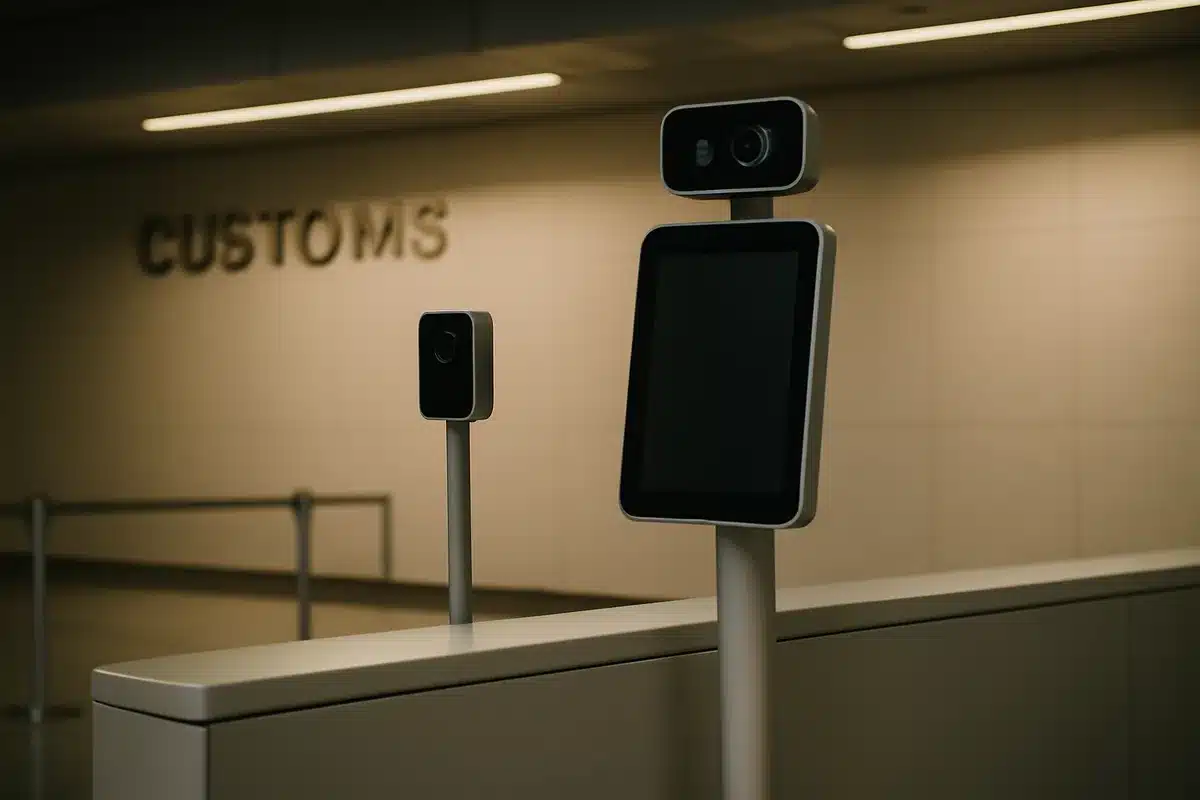
U.S. Customs and Border Protection is planning to expand contactless airport arrivals using facial biometrics at American airports, according to Diane Sabatino, Executive Assistant Commissioner of CBP’s Office of Field Operations. The frictionless screening process would allow travelers to skip traditional inspection lines and document checks, instead simply walking up to a camera for identity verification before clearing customs.
The announcement comes as CBP unveiled its “OFO Strategy 2026-2030” on August 6, a comprehensive roadmap that prioritizes technology innovation and modernization of processes at ports of entry. Sabatino told the Washington Examiner that the agency is “close to unlocking a seamless customs screening process where identification documents and inspection lines are a thing of the past.”
The technology underpinning these plans is Enhanced Passenger Processing (EPP), a contactless inspection system that uses auto-capture cameras and facial biometric comparison technology. EPP is already operational at multiple U.S. airports and can process passengers in 6 to 8 seconds, delivering a 25 percent reduction in wait times for U.S. citizens at participating facilities, according to travel industry reports.
CBP’s facial biometric system, known as the Traveler Verification Service, is a secure, cloud-based matching service that compares a traveler’s live facial features against their passport photo or other travel documents to verify identity. According to the U.S. Travel Association, CBP’s facial comparison technology achieves over 98 percent accuracy in identity verification.
The agency currently uses this biometric facial comparison technology at 238 airports nationwide, including all 14 CBP-staffed preclearance facilities, according to CBP’s biometrics webpage updated in July 2026. The expansion outlined in the OFO Strategy aims to scale these capabilities across all international airports and ports of entry.
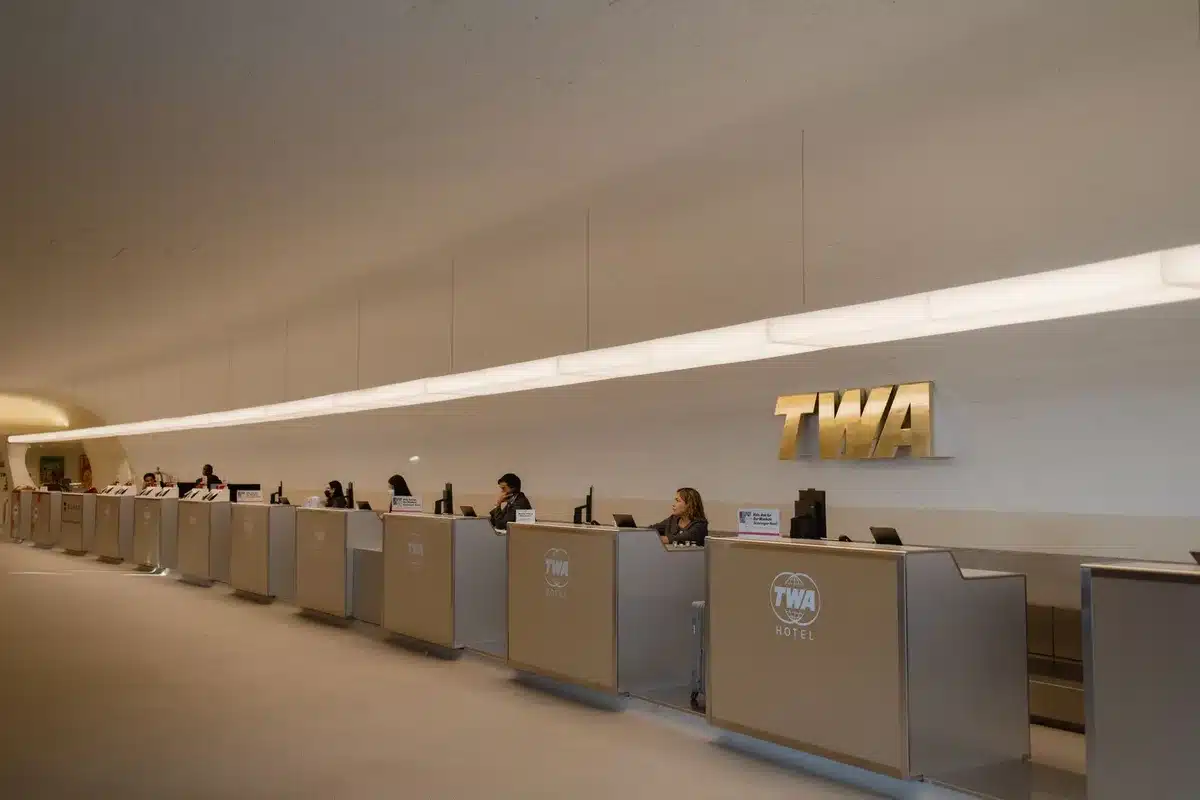
Sabatino emphasized that the strategy’s focus on technology innovation benefits not only CBP but also law enforcement partners, the traveling public, and the travel and trade industries. The agency secured increased funding to equip its workforce with modern tools and resources, allowing it to expand biometric capabilities while maintaining security enforcement.
The shift toward contactless processing aligns with broader industry trends. In fiscal year 2025 alone, CBP processed approximately 380 million travelers and $3.6 trillion in import cargo. The agency has also expanded biometric exit controls, with a final rule that took effect on December 26, 2025, authorizing CBP to collect facial biometrics from all noncitizens upon entry and exit at airports, land ports, and seaports.
The technology addresses security concerns while streamlining travel. CBP’s biometric facial comparison operates within a secure cloud-based environment and does not store biographic data for any extended period, according to the agency’s privacy policy updated in July 2026. U.S. citizens retain the option to opt out of facial recognition screening, though most travelers using the system proceed without incident.
Sources
- Washington Examiner — Exclusive reporting on CBP’s plans for contactless airport screening, featuring Diane Sabatino’s comments about frictionless customs processing.
- U.S. Customs and Border Protection — Official announcement of the OFO Strategy 2026-2030 on August 6, 2026, and biometrics operational details.
- CBP Biometrics Webpage — Current deployment of facial biometric technology at 238 airports and description of Enhanced Passenger Processing.
- U.S. Travel Association — Data on CBP’s facial comparison technology accuracy rate and security benefits.
- DHS Final Rule (November 2025) — Details on the Traveler Verification Service and expansion of biometric entry/exit collection.